Manual vs Brazilian Lymphatic Drainage: Benefits, Techniques & Results
When it comes to feeling lighter and supporting overall wellness, lymphatic drainage massage has become a go-to treatment in both clinical and aesthetic settings. But not all lymphatic drainage techniques are the same. The two most requested approaches – Manual Lymphatic Drainage (MLD) and Brazilian Lymphatic Drainage (BLD) – differ in pressure, pacing, and purpose. One is a clinically established therapeutic technique used in rehabilitation settings; the other is a firmer, aesthetics-focused method popularized in the beauty industry.
At Mankind Rehab Centre in Brampton, our Registered Massage Therapists (RMTs) are asked almost weekly which of the two is “better.” The honest answer is: it depends on your goal, your health history, and whether you’re recovering from a medical procedure or looking for a cosmetic outcome. Below, we break down both techniques so you can have an informed conversation with your therapist or physician before booking.
What is Manual Lymphatic Drainage (MLD)?
Manual Lymphatic Drainage is a light-touch massage technique developed in the 1930s by Dr. Emil Vodder, a Danish physiotherapist. Vodder observed that gentle, rhythmic strokes applied along specific pathways could reduce swelling in patients with chronic lymph node congestion. His technique – now known as the Vodder Method – remains the clinical standard taught in accredited massage therapy and physiotherapy programs today, including here in Ontario.
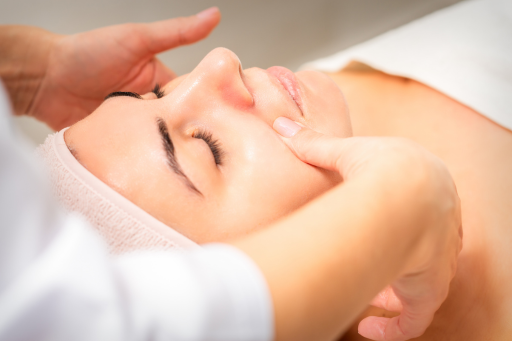
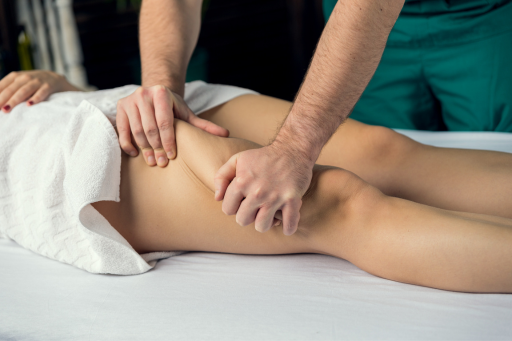
MLD works by using very light pressure and slow, circular hand movements that follow the direction of lymph flow, encouraging fluid and metabolic waste to move toward lymph nodes for filtration. Sessions typically focus on the face, neck, abdomen, and limbs, following the body’s natural lymphatic pathways.
Clinical Benefits of Manual Lymphatic Drainage
- Helps reduce swelling and inflammation following surgery, injury, or conditions such as lymphedema
- Supports circulation and the body’s natural detoxification and immune processes
- May reduce facial and body puffiness
- Often used alongside treatment plans for fibromyalgia, chronic sinus congestion, and fatigue-related conditions
- Promotes relaxation and nervous system regulation through its slow, calming rhythm
MLD is most often recommended for people recovering from surgery (such as mastectomy, liposuction, or orthopedic procedures), individuals managing lymphedema under a physician’s care, or anyone experiencing fluid retention linked to poor circulation or chronic stress. If you have a diagnosed medical condition, MLD should be performed only after clearance from your treating physician or surgeon, and ideally by a therapist with post-graduate training in lymphatic techniques.
What is Brazilian Lymphatic Drainage (BLD)?
Brazilian Lymphatic Drainage, also known as the Renata França Method, was developed by Brazilian therapist Renata França. It grew out of Brazil’s aesthetics and post-surgical recovery industry and is built around firmer pressure, faster strokes, and a more vigorous overall pace than the traditional Vodder technique.
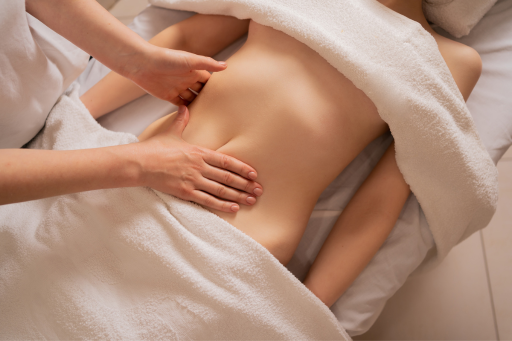
Rather than following the slow, methodical rhythm of MLD, BLD therapists often work more briskly across the body, sometimes incorporating tools such as wooden rollers or vacuum cupping to encourage fluid movement and support skin firmness.
Common Uses for BLD
- Post-operative recovery support after cosmetic procedures (e.g., BBL, tummy tuck) – only once a surgeon has cleared the client for massage
- Reduction of temporary bloating or water retention
- Aesthetic body contouring before an event
- Facial sculpting and glow-focused treatment
BLD tends to appeal to clients looking for a more immediate, visible change – for example, before a special occasion. It can also be used in post-surgical recovery, but timing matters: starting too early can interfere with healing, which is why surgeon sign-off is essential before any BLD session following a procedure.
Key Differences Between Manual and Brazilian Lymphatic Drainage
| Aspect | Manual Lymphatic Drainage (MLD) | Brazilian Lymphatic Drainage (BLD) |
|---|---|---|
| Pressure & Technique | Uses light, rhythmic, and circular strokes to follow lymph flow. | Uses firmer, faster, and sculpting strokes for drainage and contouring. |
| Primary Focus | Therapeutic, focused on wellness, detox, and clinical recovery. | Aesthetic, focused on slimming, toning, and immediate results. |
| Pace & Style | Slower and methodical. | Faster-paced and more dynamic. |
| Post-Treatment Effects | Gradual improvement over multiple sessions. | Noticeable reduction in bloating or puffiness after just one session. |
| Tools Used | Hands-only approach. | May include tools like wooden rollers or vacuum therapy for enhanced contouring. |
Note: BLD is a newer, practitioner-developed technique. While client-reported outcomes are positive, it has a smaller body of independent clinical research behind it compared to the Vodder Method. Ask your therapist about their specific training and experience with each technique.
Which One Should You Choose?
This decision should be based on your health status and your goal – not just personal preference.
Consider Manual Lymphatic Drainage if you:
- Are recovering from surgery and need to manage swelling under a therapeutic protocol
- Have a diagnosed condition such as lymphedema, fibromyalgia, or chronic sinus congestion
- Want a gentle, low-stimulation session as part of an ongoing care plan
Book a 30–75-minute session with one of our Registered Massage Therapists, who will tailor the technique to your health history.
Consider Brazilian Lymphatic Drainage if you:
- Are you looking for aesthetic, non-clinical support, such as reduced bloating or a firmer appearance
- Want a more energetic, higher-pressure session
- Are you preparing for an event and have no contraindicating health conditions
If you’re unsure which applies to you, our team can walk you through both during a consultation – we’d rather match you to the right technique than upsell the wrong one.
Safety & Who Should Avoid Lymphatic Drainage
Lymphatic drainage – manual or Brazilian – is not appropriate for everyone. You should avoid lymphatic drainage massage, or seek physician clearance first, if you have:
- An active infection or fever
- A history of blood clots (DVT) or are at risk of clotting
- Congestive heart failure or other serious cardiac conditions
- Active kidney disease
- Untreated cancer in the area to be massaged (ask your oncologist)
- Recent surgery without surgeon clearance for massage
This is not an exhaustive list. When in doubt, speak with your physician before booking, and always disclose your full medical history to your therapist beforehand.
Look for a therapist who is a Registered Massage Therapist (RMT) regulated by the College of Massage Therapists of Ontario (CMTO), with specific training in lymphatic techniques – not just a general massage certification. At Mankind Rehab Centre, every therapist performing lymphatic drainage is a licensed RMT, and each session begins with a review of your health history and goals before any technique is applied.
Conclusion
Choosing between manual lymphatic drainage vs Brazilian lymphatic drainage depends on your needs. MLD is rooted in wellness, recovery, and detoxification, while BLD focuses on aesthetics, body contouring, and quick visual results. Whether you’re navigating post-op recovery or simply want to feel lighter and brighter, lymphatic drainage massage can support your wellness journey in transformative ways.
Mankind Rehab Centre offers both Manual and Brazilian Lymphatic Drainage services performed by certified experts. Located in Brampton, our clinic is known for personalized care, advanced therapy techniques, and a deep commitment to your well-being.
Book your consultation now at Mankind Rehab Centre and discover which technique is right for you.
About the Author
Neha, RMT, is a Registered Massage Therapist certified by the College of Massage Therapists of Ontario (CMTO), based at Mankind Rehab Centre in Brampton. She is dedicated to the healing and recovery of her patients, using specialized techniques to address a range of medical conditions and provide relief from pain and stress. Neha has completed additional training in modalities including hot stone therapy and cupping therapy alongside her core massage therapy certification.
As a Registered Massage Therapist certified by the CMTO, Neha wrote and reviewed this article herself for clinical accuracy.
FAQs
How Much Does Lymphatic Drainage Massage Cost in Brampton?
Lymphatic drainage massage in Brampton typically costs $80–$180 per session, depending on the treatment type, session length, and therapist’s experience. Contact your clinic for exact pricing.
Is Brazilian Lymphatic Drainage the Same as Manual Lymphatic Drainage?
No. Manual Lymphatic Drainage focuses on medical recovery and swelling reduction, while Brazilian Lymphatic Drainage emphasizes body contouring, reducing bloating, and temporary aesthetic improvements.
Is Brazilian Lymphatic Drainage Painful?
Brazilian Lymphatic Drainage is generally comfortable. Firmer pressure may cause mild discomfort in sensitive areas, but it should not be painful when performed by a certified therapist.
How Long Do Brazilian Lymphatic Drainage Results Last?
Results typically last several days to one week, depending on hydration, diet, activity level, and individual fluid retention. Maintenance sessions can help extend the benefits.
Can I Exercise After Lymphatic Drainage?
Yes. Light exercise, such as walking, is encouraged after treatment to support lymphatic circulation. Follow your healthcare provider’s advice if you’re recovering from surgery.
Can Lymphatic Drainage Reduce Cellulite?
Lymphatic drainage may temporarily improve cellulite by reducing fluid retention and improving circulation, but it does not permanently remove cellulite or eliminate fat cells.
Is Manual Lymphatic Drainage Covered by Insurance?
Coverage depends on your insurance provider. Some plans cover Manual Lymphatic Drainage when performed by a qualified therapist, such as a Registered Massage Therapist (RMT).
Which Massage Is Better After Liposuction?
Manual Lymphatic Drainage is generally recommended after liposuction because it gently reduces swelling, improves lymph flow, and supports healing during recovery.
Which Lymphatic Drainage Technique Is Better for Post-Surgery Recovery?
Manual Lymphatic Drainage is usually the preferred option after surgery because it safely reduces swelling, supports healing, and improves lymphatic circulation with gentle techniques.
Who Should Avoid Lymphatic Drainage Massages?
People with active infections, blood clots, severe heart or kidney disease, or certain medical conditions should consult a healthcare provider before receiving lymphatic drainage massage.