What is an Osteopath? Treatments and Benefits
If you have ever wondered what is an osteopath, an osteopath is a practitioner who uses a hands-on approach to assess movement and address certain musculoskeletal concerns, such as back pain, neck stiffness, and joint discomfort. However, the meaning of the title can vary depending on the practitioner’s training and the country where they practise.
In Ontario, it is important to distinguish a manual osteopath from an osteopathic physician, who is a medical doctor. Although both use the term osteopath in different contexts, their education, professional roles, and scope of practice are not the same.
This guide explains what an osteopath does, which concerns may benefit from osteopathic treatment, how osteopathy differs from chiropractic care and physiotherapy, and what to consider before booking an appointment.
What is an Osteopath?
An osteopath is a practitioner who focuses on the relationship between the body’s structure and movement and how these factors relate to physical function. Manual osteopathy uses hands-on assessment and techniques intended to address certain musculoskeletal concerns.
The approach considers how muscles, joints, connective tissues, and movement patterns work together. For example, someone experiencing back discomfort may also have stiffness around the hips or limited movement that affects daily activities. A practitioner may assess these areas to better understand the person’s movement and symptoms.
People may consider manual osteopathy for concerns such as:
- Back and neck discomfort
- Joint stiffness or restricted movement
- Muscle tension
- Some sports-related or overuse injuries
- Physical strain associated with work or everyday activities
The suitability of treatment depends on the person’s symptoms, medical history, and individual needs. Osteopathy does not replace medical diagnosis or other healthcare when these are necessary.
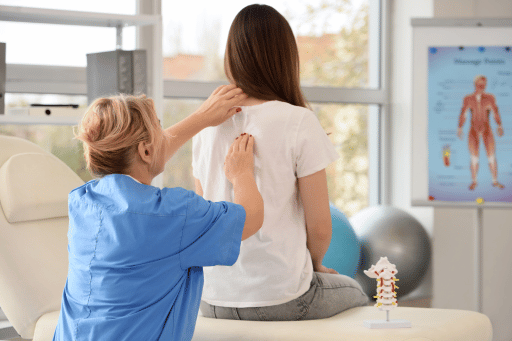
Osteopath vs. Osteopathic Physician (DO)
The term osteopath can mean different things in different countries.
In the United States, a Doctor of Osteopathic Medicine (DO) is a fully licensed physician who can diagnose medical conditions, prescribe medication, and practise medicine within their licence.
A manual osteopath in Ontario is a different type of practitioner. Manual osteopathy generally focuses on hands-on assessment and treatment of musculoskeletal concerns. A manual osteopath should not be assumed to be a medical doctor simply because they use the title osteopath.
When choosing a practitioner, ask about their education, credentials, professional registration or association membership, and scope of practice.
What Does the Title “Osteopath” Mean in Ontario?
Ontario distinguishes between regulated healthcare professions and practitioners who are not regulated by a dedicated provincial college.
Manual osteopathy is not regulated as a separate health profession under Ontario’s regulated health professions framework. Osteopathic physicians, by contrast, are medical doctors regulated by the College of Physicians and Surgeons of Ontario.
Osteopathy Ontario provides information about osteopathy and professional standards. However, membership in an association should not automatically be interpreted as provincial government licensing.
You can learn more from Osteopathy Ontario’s regulation information.
Before beginning treatment, ask your practitioner about their qualifications, training, professional association, insurance, and experience with your particular concern.
What Does an Osteopath Do?
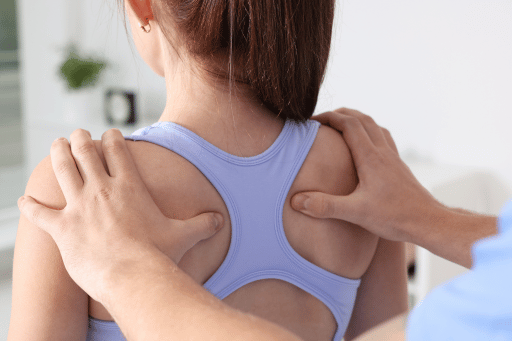
A manual osteopath assesses movement and musculoskeletal concerns and may use hands-on techniques and practical advice to support comfortable movement. The approach should be tailored to the individual’s symptoms, goals, and health history.
Assessment and Diagnosis
An appointment generally begins with a discussion of your symptoms, health history, previous injuries, daily activities, and treatment goals.
The practitioner may then assess your posture, movement, joint mobility, and areas of discomfort. This helps them understand your concerns and determine whether manual treatment may be appropriate.
A manual osteopath’s assessment is not a substitute for medical diagnosis. If your symptoms suggest a condition requiring medical investigation or care outside the practitioner’s scope, you should be referred to an appropriate healthcare professional.
Hands-On Treatment
Depending on the practitioner’s training and your individual needs, manual osteopathic treatment may involve techniques such as:
- Soft-tissue techniques: Hands-on approaches applied to muscles and other soft tissues.
- Joint mobilization: Gentle, controlled movements intended to address joint mobility.
- Stretching: Movements intended to support flexibility and comfortable movement.
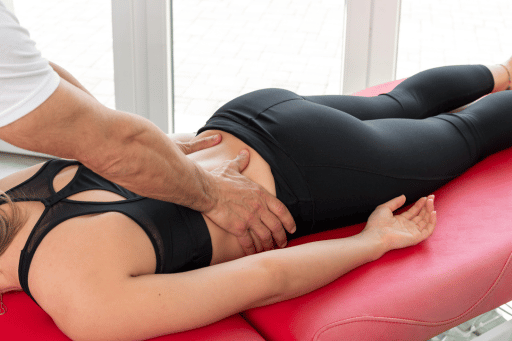
At Mankind Rehab Centre, the specific techniques offered should be confirmed with the treating practitioner before publication.
Treatment is not the same for everyone. Your practitioner should explain the proposed approach, discuss potential discomfort or risks, and obtain your consent before proceeding. Results vary, and no particular outcome can be guaranteed.
Posture, Exercise and Lifestyle Advice
An osteopath may also discuss daily movement habits, posture, activity modification, and suitable exercises where these fall within their training and scope.
For example, someone who spends long periods sitting at a desk may benefit from reviewing their workstation, taking movement breaks, and following an appropriate activity plan.
These recommendations should reflect your needs and should not replace individualized medical or rehabilitation advice when that is required.
What Conditions Can an Osteopath Help With?
Manual osteopathy may be considered as part of a broader care plan for certain musculoskeletal concerns. Whether it is appropriate depends on the cause and severity of your symptoms.
Back and Neck Pain
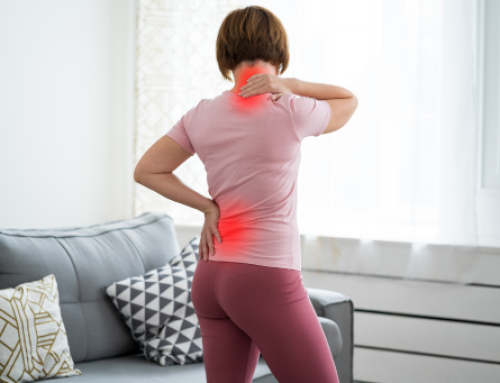
Back or neck discomfort may be associated with muscle tension, restricted movement, prolonged positions, or physical strain. A practitioner may assess movement and discuss whether hands-on treatment is suitable.
Persistent, severe, or unexplained pain should be assessed by an appropriate healthcare professional.
Sciatica-Type Pain
Sciatica describes symptoms that may include pain travelling from the lower back or buttock down the leg. Causes vary, and some symptoms require medical assessment.
If you are experiencing these symptoms, learn more about sciatica treatment in Brampton. A healthcare professional can help determine the appropriate next steps.
Joint Pain and Stiffness
Some people seek manual osteopathy when they experience stiffness or discomfort affecting their shoulders, hips, knees, or other joints. Assessment may help identify movement limitations and whether manual techniques are appropriate.
New swelling, significant injury, or severe joint pain may require medical evaluation before hands-on treatment.
Sports and Overuse Injuries
Repetitive movements, training loads, and sports activities can contribute to muscle or joint discomfort. A practitioner may discuss movement, activity modification, and suitable treatment options.
Significant injuries should be assessed promptly to rule out fractures, serious ligament injuries, or other conditions that need specific care.
Work-Related Strain
Jobs involving prolonged sitting, repetitive tasks, lifting, or extended periods on your feet may contribute to musculoskeletal discomfort.
A practitioner may discuss movement habits, physical demands, and practical ways to manage strain. The most appropriate approach depends on the underlying cause of the symptoms.
Important: Not every condition responds to osteopathy. A responsible practitioner should explain the limitations of treatment and recommend medical assessment or another healthcare service when appropriate.
Osteopath vs. Chiropractor vs. Physiotherapist
Osteopathy, chiropractic care, and physiotherapy can all involve assessment and treatment of musculoskeletal concerns, but their training, professional regulation, and treatment approaches differ.
The table below provides a general comparison. It is not a substitute for checking an individual practitioner’s credentials or the requirements that apply to their profession in Ontario.
| Comparison | Manual Osteopath | Chiropractor | Physiotherapist |
|---|---|---|---|
| Main approach | Hands-on assessment and treatment focused on musculoskeletal function and movement. | Assessment and management of musculoskeletal conditions, including spinal and joint concerns. | Assessment and rehabilitation to improve movement, function, strength, and physical activity. |
| Common techniques | May include soft-tissue techniques, joint mobilization, and stretching. | May include spinal or joint manipulation, mobilization, exercise, and other interventions. | May include therapeutic exercise, movement training, manual therapy, and rehabilitation education. |
| Regulation in Ontario | Manual osteopathy is not regulated as a separate health profession by a dedicated Ontario regulatory college. | Regulated profession with registration through the College of Chiropractors of Ontario. | Regulated profession with registration through the College of Physiotherapists of Ontario. |
| May be considered for | Selected musculoskeletal concerns where manual treatment is appropriate. | Musculoskeletal concerns assessed as appropriate to chiropractic practice. | Rehabilitation, movement limitations, recovery after injury, and improving physical function. |
If you want to explore these options, visit our pages about chiropractic care in Brampton and physiotherapy in Brampton.
These services may have complementary roles, depending on your needs. The right choice depends on your symptoms, the practitioner’s qualifications, and the type of care you require.
What to Expect at Your First Osteopathy Visit
Knowing what may happen during your first appointment can help you prepare and ask the right questions.
1. Booking and Intake Information
When booking, you may be asked to provide information about your symptoms, health history, previous injuries, and treatment goals. Mankind Rehab Centre’s current booking and intake process should be confirmed before publication.
Provide accurate information and mention any relevant medical conditions, medications, recent injuries, or previous treatments.
2. Assessment and Treatment Plan
Your practitioner will discuss your concerns and may assess your movement, posture, and joint mobility. They should explain their findings within their scope of practice and discuss whether manual treatment is appropriate.
If treatment is suitable, they should explain the proposed techniques and agree on a plan with you before beginning.
3. Appointment Length and What to Wear
Appointment duration can vary depending on the type of visit and the clinic’s schedule. Confirm the expected length with Mankind Rehab Centre when booking.
Comfortable clothing that allows you to move easily is generally helpful. Your practitioner should explain if any particular clothing or preparation is needed.
4. Follow-Up Visits and Home Advice
Some people may benefit from follow-up appointments, while others may not need ongoing treatment. The recommended frequency should depend on your symptoms, progress, and individual goals.
Your practitioner may also suggest suitable movement strategies or home exercises. Ask questions if you are unsure how to perform an exercise or if an activity increases your symptoms.
Is Osteopathy Covered by Insurance?
Insurance coverage for manual osteopathy varies by provider and individual benefits plan. Some extended health plans may cover services from eligible practitioners, while others may have specific credential, membership, or receipt requirements.
Before booking, contact your benefits provider and ask:
- Is manual osteopathy included in my plan?
- Are there requirements for the practitioner’s credentials or association membership?
- Is a referral required?
- What is my annual coverage limit?
- What information must appear on the receipt?
Do not assume that coverage is available simply because a practitioner belongs to a professional association.
You can also review Mankind Rehab Centre’s direct billing information. Confirm with the clinic whether direct billing is available for the specific service and your insurance provider.
When Should You See a Doctor First?
Manual osteopathy is not appropriate as a substitute for urgent medical assessment. Certain symptoms can indicate a condition that requires prompt attention.
Seek urgent medical care if you experience:
- Sudden, severe pain or significant pain following a serious fall or accident.
- New or worsening numbness or weakness in an arm or leg.
- Loss of bladder or bowel control, particularly with back pain or leg weakness.
- Back pain accompanied by fever or feeling seriously unwell.
New bladder or bowel problems combined with back pain, saddle-area numbness, or progressive leg weakness can be a medical emergency.
You should also arrange medical assessment for persistent, unexplained, or worsening pain, especially when accompanied by other concerning symptoms. If you are unsure whether manual treatment is suitable, speak with an appropriate healthcare professional before proceeding.
Conclusion
An osteopath uses a hands-on approach to assess and address certain musculoskeletal concerns, including some forms of back or neck discomfort, joint stiffness, and movement limitations. Treatment may involve manual techniques and advice tailored to the person’s needs, but outcomes vary and osteopathy is not suitable for every condition.
In Ontario, it is particularly important to understand the difference between a manual osteopath and an osteopathic physician. Ask about a practitioner’s education, qualifications, scope of practice, and approach before starting treatment.
If you are considering osteopathy in Brampton, you can learn more about osteopathy services at Mankind Rehab Centre or book an appointment online. Contact the clinic if you have questions about the service, appointment process, or insurance requirements.
About the Author: Neeru Batra, Osteopath
Neeru Batra is a Manual Osteopathic Practitioner (DOMP) who completed her Diploma in Osteopathic Manual Practice at Sara Canadian Academy in Brampton, Ontario, in June 2026. She also has experience in massage therapy and Ayurvedic wellness treatments, bringing a holistic approach to client care.
Her skills include osteopathic assessment, soft tissue techniques, joint mobilization, deep tissue massage, and postural analysis. Neeru focuses on understanding each client’s needs and providing personalized care to support pain management, improve mobility, and promote overall physical well-being.
Learn more about the clinic’s practitioners on the Our Team page.
Frequently Asked Questions
What does an osteopath do?
A manual osteopath assesses movement and musculoskeletal concerns and may use hands-on techniques, such as soft-tissue work, joint mobilization, and stretching, when appropriate. They may also offer movement or lifestyle advice within their training and scope. The treatment approach depends on the individual’s symptoms and health history.
Is an osteopath a doctor?
Not necessarily. In the United States, a Doctor of Osteopathic Medicine (DO) is a fully licensed physician. A manual osteopath in Ontario is a different type of practitioner and should not automatically be described as a medical doctor. Always check the practitioner’s actual qualifications and credentials.
What is the difference between an osteopath and a chiropractor?
Manual osteopaths generally use hands-on techniques focused on musculoskeletal function and movement. Chiropractors are regulated healthcare professionals in Ontario who assess and manage musculoskeletal conditions using approaches that may include spinal or joint manipulation, mobilization, and exercise. Training, scope, and treatment methods differ.
Is osteopathy regulated in Ontario?
Manual osteopathy is not regulated as a separate health profession by a dedicated provincial regulatory college in Ontario. Osteopathic physicians are medical doctors regulated by the College of Physicians and Surgeons of Ontario. Ask a manual osteopath about their education, qualifications, professional association, and scope of practice.
Does osteopathy hurt?
Some hands-on techniques may cause temporary discomfort, depending on the person’s symptoms and the treatment used. Tell your practitioner if a technique hurts or makes you uncomfortable. They should explain the approach, obtain your consent, and adjust or stop treatment when appropriate. Individual responses vary.
How many osteopathy sessions will I need?
There is no single number of sessions that suits everyone. The recommended frequency depends on the nature of the concern, your goals, and how your symptoms respond. Ask your practitioner to explain the proposed plan, how progress will be assessed, and when treatment should be reconsidered.
Do I need a referral to see an osteopath?
Referral requirements can depend on the service, practitioner, insurer, or your individual health circumstances. Contact the clinic before booking to confirm whether a referral or other documentation is needed. If you have significant or unexplained symptoms, seek appropriate medical advice.
Is osteopathy covered by insurance?
Coverage varies by insurance provider and benefits plan. Some plans may cover manual osteopathy if specific practitioner or documentation requirements are met. Contact your insurer before your appointment to confirm eligibility, limits, and any referral requirements. You can also ask Mankind Rehab Centre about receipts and direct billing.
When should I see a doctor instead of an osteopath?
Seek urgent medical attention for severe pain after a serious injury, new or worsening limb weakness or numbness, loss of bladder or bowel control, or back pain accompanied by fever and serious illness. Persistent, unexplained, or worsening symptoms should also be medically assessed rather than managed solely with manual treatment.