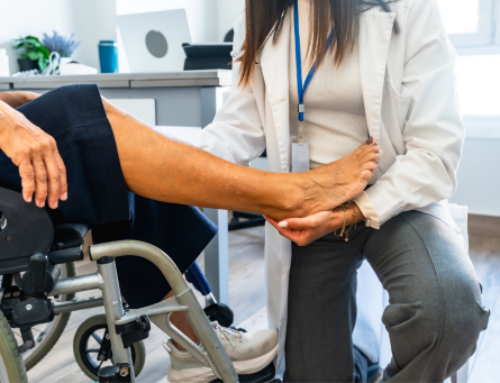
What Is Lymphoma? Types, Symptoms, Causes, and Treatment
Lymphoma is a type of cancer that begins in cells of the lymphatic system, an important part of the body’s immune system. There are different types of lymphoma, and they can develop and progress differently depending on the specific type and other individual factors.
What Is Lymphoma?
Lymphoma is a cancer that develops in lymphocytes, a type of white blood cell that helps the body fight infections and disease. These cells are found throughout the lymphatic system, including the lymph nodes, spleen, thymus, bone marrow, and lymphatic vessels.
The lymphatic system is part of the immune system and also helps move lymph fluid throughout the body. When abnormal lymphocytes grow and multiply uncontrollably, they can form lymphoma.
The two main categories of lymphoma are Hodgkin lymphoma and non-Hodgkin lymphoma (NHL). Non-Hodgkin lymphoma includes many different subtypes, which can behave differently and may require different approaches to treatment.
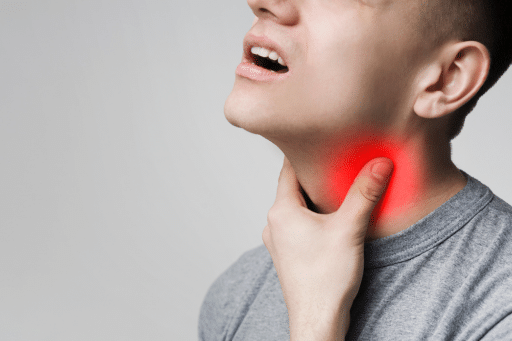
What Are the Main Types of Lymphoma?
Hodgkin Lymphoma
Hodgkin lymphoma is one of the two main categories of lymphoma. It is characterized by specific abnormal cells known as Reed-Sternberg cells and can affect lymph nodes and other parts of the lymphatic system.
Treatment and prognosis depend on factors such as the specific type and stage of the disease.
Non-Hodgkin Lymphoma
Non-Hodgkin lymphoma is a broad group of lymphomas that can develop from B lymphocytes or T lymphocytes. Some types grow slowly, while others can grow and spread more quickly. Treatment depends on the specific subtype, stage, and other factors.
Follicular Lymphoma
Follicular lymphoma is a type of non-Hodgkin lymphoma that usually develops from B lymphocytes. It is generally considered an indolent, or slower-growing, type of lymphoma, although its behavior can vary between individuals.
What Are the Symptoms of Lymphoma?
Lymphoma symptoms can vary depending on the type of lymphoma, where it develops, and how quickly it grows. Some people may have few or no symptoms in the early stages.
Common symptoms can include:
- Swollen lymph nodes: Enlarged lymph nodes may appear as lumps, commonly around the neck, underarms, or groin.
- Unexplained fever: A persistent or recurring fever without an obvious cause can occur.
- Night sweats: Some people experience heavy or drenching sweating during the night.
- Unexplained weight loss: Losing weight without intentionally changing diet or activity can be a symptom.
- Fatigue: Persistent tiredness or a lack of energy may occur.
- Itching: Some people with lymphoma may experience itchy skin.
- Shortness of breath: Lymphoma affecting areas of the chest can sometimes cause coughing, chest pressure, or difficulty breathing.
These symptoms do not necessarily mean someone has lymphoma. Many can occur with other conditions, including infections. Persistent or unexplained symptoms should be evaluated by a healthcare professional.
What Causes Lymphoma?
The exact cause of most lymphomas is not fully understood. Lymphoma develops when changes occur in the DNA of lymphocytes, causing these immune cells to grow or survive abnormally. Over time, these abnormal cells can multiply and contribute to the development of lymphoma.
Certain factors may increase the risk of developing specific types of lymphoma. These can include:
- Genetic or immune system changes
- Certain infections
- A weakened immune system
- Some environmental or occupational exposures
- Certain autoimmune conditions
Having a risk factor does not mean that a person will develop lymphoma. In many cases, people diagnosed with lymphoma may not have an identifiable risk factor.
Because lymphoma includes many different types and subtypes, potential risk factors can vary. A healthcare professional can review an individual’s medical history, symptoms, and test results to help explain relevant risk factors and diagnostic findings.
How Is Lymphoma Treated?
Lymphoma treatment depends on the type and subtype of lymphoma, stage, rate of growth, symptoms, overall health, and other individual factors.
Depending on the specific diagnosis, treatment may include:
- Watchful waiting or active surveillance for some slow-growing lymphomas
- Chemotherapy
- Immunotherapy
- Targeted therapy
- Radiation therapy
- Stem cell transplantation
- Surgery in selected situations
- Other treatments or participation in clinical trials
Not every person with lymphoma needs the same treatment. A cancer care team determines the most appropriate approach based on the individual’s diagnosis and circumstances.
Can Lymphatic Drainage Massage Help With Lymphoma-Related Swelling?
Lymphoma can sometimes contribute to swelling when abnormal lymph nodes or other effects of the condition interfere with normal lymphatic fluid movement. However, swelling can have many possible causes and should be properly assessed.
Lymphatic drainage massage does not treat or cure lymphoma. Manual lymphatic drainage (MLD) is a gentle technique that may be used in appropriate cases as part of lymphedema management. Depending on individual needs, lymphedema care may include:
- Manual lymphatic drainage
- Compression therapy
- Exercise and movement
- Skin care
Anyone with lymphoma should consult their oncologist or healthcare professional before receiving lymphatic drainage massage. They can determine whether it is appropriate based on the person’s diagnosis, treatment, symptoms, and cause of swelling.
When medically appropriate, lymphatic drainage massage should be performed by a suitably trained professional. Learn more about lymphatic drainage massage in Brampton at Mankind Massage Therapy.
When Should You Speak With a Healthcare Professional?
If you experience persistent or unexplained symptoms, it is important to speak with a healthcare professional rather than relying on massage therapy or online information for a diagnosis. Consider seeking medical advice if you notice:
- Persistent or unexplained swollen lymph nodes
- Unexplained weight loss
- Recurring or persistent fever
- Drenching night sweats
- Ongoing or unusual fatigue
- Persistent itching or other unexplained symptoms
Swollen lymph nodes can occur for many reasons, including common infections, and do not necessarily indicate lymphoma. However, a healthcare professional can evaluate persistent or concerning symptoms and determine whether further examination or testing is appropriate.
If swelling develops suddenly or becomes severe, particularly with shortness of breath, chest pain, significant pain, warmth, or redness, seek prompt medical attention.
Conclusion
Lymphoma is a group of cancers that begins in cells of the lymphatic system. Hodgkin lymphoma and non-Hodgkin lymphoma are the two main categories, with non-Hodgkin lymphoma including several different subtypes such as follicular lymphoma. Symptoms and treatment can vary considerably depending on the specific type and stage of lymphoma.
Lymphoma can sometimes be associated with swelling or problems with lymphatic fluid movement. While lymphatic drainage massage does not treat or cure lymphoma, manual lymphatic drainage may be used in appropriate situations as part of managing certain types of lymphedema or swelling. Anyone with lymphoma should consult their oncologist or healthcare professional before considering lymphatic drainage massage.
Author Bio
Neha is a Registered Massage Therapist (RMT) registered with the College of Massage Therapists of Ontario. She provides personalized massage therapy focused on supporting pain management, reducing muscle tension, promoting relaxation, and assisting with appropriate recovery goals. With additional training in cupping therapy and hot stone massage, Neha takes an individualized approach to care based on each client’s needs, lifestyle, and treatment goals. Her patient-focused approach emphasizes comfortable, personalized treatment while recognizing when clients should seek guidance from their healthcare professionals for medical conditions requiring specialized care.
Frequently Asked Questions
How Is Lymphoma Diagnosed?
Lymphoma may be diagnosed through a medical history, physical examination, blood tests, imaging, and usually a biopsy. Additional testing can help healthcare professionals identify the specific lymphoma type and stage.
Can Lymphoma Cause Swelling?
Yes, lymphoma can sometimes cause swelling by affecting lymphatic flow or nearby structures. However, swelling has many possible causes, so persistent or unexplained swelling should be evaluated by a healthcare professional.
What Is the Difference Between Hodgkin and Non-Hodgkin Lymphoma?
Hodgkin and non-Hodgkin lymphoma are the two main categories of lymphoma. Non-Hodgkin lymphoma includes many subtypes involving B or T lymphocytes, while Hodgkin lymphoma has distinct diagnostic characteristics.
What Is Follicular Lymphoma?
Follicular lymphoma is a type of non-Hodgkin lymphoma that usually develops from B lymphocytes. It is generally considered a slower-growing lymphoma, although its behavior and progression can vary between individuals.
Can Lymphoma Cause Swollen Lymph Nodes?
Yes, lymphoma can cause enlarged lymph nodes, commonly in the neck, underarms, or groin. However, infections and other conditions are more common causes of swollen lymph nodes and should also be considered.
Can Lymphatic Drainage Massage Treat Lymphoma?
No, lymphatic drainage massage does not treat or cure lymphoma. In appropriate cases, manual lymphatic drainage may help manage certain types of swelling or lymphedema, alongside appropriate medical care.
Can Someone With Lymphoma Receive Lymphatic Drainage Massage?
Some people with lymphoma may receive lymphatic drainage massage, depending on their individual circumstances. They should first discuss it with their oncologist or healthcare professional to determine whether massage is appropriate.
Is Lymphatic Drainage Massage Helpful for Lymphoma-Related Swelling?
Manual lymphatic drainage may help manage certain types of lymphedema or swelling. However, lymphoma-related swelling can have different causes, so a healthcare professional should assess the condition before massage is considered.