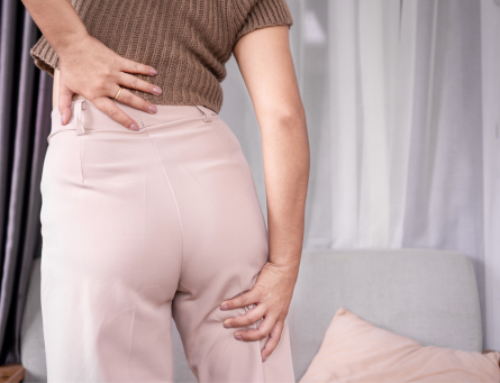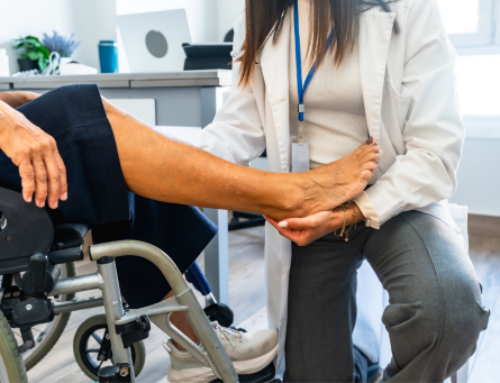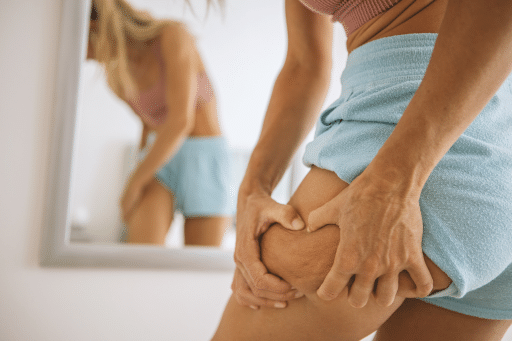
Cellulite vs Lipedema: What’s the Difference?
Cellulite and lipedema can both cause an uneven or dimpled appearance of the skin, particularly around the thighs, hips, and legs, which can make them difficult to distinguish. However, they are not the same condition. Cellulite is generally considered a cosmetic skin appearance, while lipedema is a chronic condition involving abnormal fatty tissue and may be associated with pain, tenderness, swelling, and easy bruising. Appearance alone cannot confirm whether someone has lipedema. A healthcare professional can assess symptoms, distribution of affected tissue, medical history, and physical findings to help determine what may be contributing to the changes.
Cellulite vs Lipedema: At a Glance
| Feature | Cellulite | Lipedema |
|---|---|---|
| General nature | Cosmetic skin appearance | Chronic disorder involving abnormal fatty tissue |
| Appearance | Dimpled, uneven, or “orange-peel” skin | May appear uneven, nodular, or dimpled |
| Pain | Usually not painful | Pain or tenderness may occur |
| Swelling | Not a defining feature | Swelling or heaviness may occur |
| Bruising | Not typically a defining feature | Easy bruising may occur |
| Distribution | Commonly thighs, hips, buttocks, and other areas | Often affects both legs symmetrically and may involve the arms |
| Symmetry | May be uneven or asymmetric | Typically bilateral and symmetrical |
| Feet | Not relevant as a diagnostic feature | Feet are typically spared |
| Assessment | Usually based on visible appearance | Clinical history and physical examination |
| Management | Lifestyle and cosmetic approaches may reduce appearance | May involve compression, exercise, skin care, symptom management, and specialist care |
These differences can provide useful context, but the table should not be used as a diagnostic tool. Lipedema is generally assessed through clinical history and physical examination because there is no single standardized diagnostic test or biomarker that confirms the condition.
What Is Cellulite?
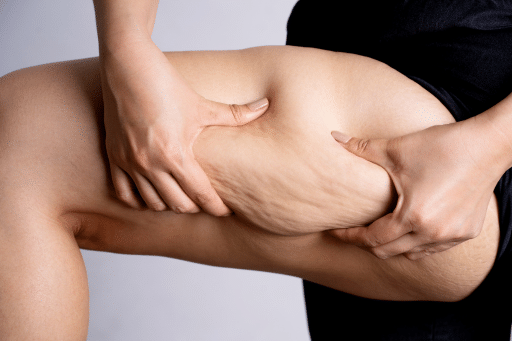
Cellulite is a common skin appearance that causes dimpling or an uneven texture. It can affect people of different body sizes and fitness levels and is not simply excess body fat.
Key points about cellulite:
- Common areas: Thighs, buttocks, hips, and sometimes other areas.
- Appearance: Dimpled, uneven, or “orange-peel” skin.
- Cause: Develops from the interaction between underlying fat and connective tissue beneath the skin.
- Factors: Genetics, age, skin structure, body composition, and weight changes can influence its appearance.
- Health concern: Generally considered a cosmetic concern rather than a chronic medical condition.
- Management: Regular physical activity and maintaining a healthy weight may make cellulite less noticeable. Some professional cosmetic treatments may also temporarily improve its appearance.
What Is Lipedema?
Lipedema is a chronic condition involving an abnormal distribution of fatty tissue, most commonly affecting the legs and sometimes the arms or lower trunk.
Key points about lipedema:
- Common areas: Usually affects both legs and may also involve the arms or lower trunk.
- Distribution: Typically appears on both sides of the body in a symmetrical pattern.
- Symptoms: May include pain, tenderness, heaviness, swelling, and easy bruising.
- Tissue changes: Affected areas may feel nodular, firm, or uneven beneath the skin.
- Feet: The feet are often spared, creating a noticeable transition around the ankles.
- Progression: Lipedema can develop through different stages, with changes in skin and underlying tissue over time.
- Related conditions: Some people may also experience lymphedema or venous problems.
- Assessment: Because lipedema can resemble cellulite and other conditions, professional assessment is important when symptoms such as pain, swelling, bruising, or disproportionate limb enlargement are present.
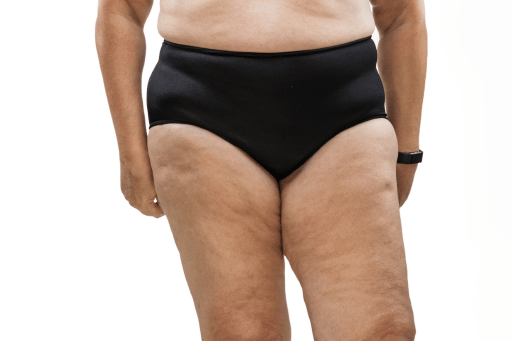
Cellulite vs Lipedema: Key Differences
Appearance
Both cellulite and lipedema can create an uneven, dimpled, or “orange-peel” appearance, which is one reason people may confuse the two.
Cellulite primarily affects the appearance of the skin surface. Lipedema, on the other hand, involves changes in the underlying fatty tissue and may produce a nodular or uneven texture as well as visible skin changes.
Because the appearance can overlap, looking at the skin alone is not enough to determine whether someone has lipedema.
Pain and Tenderness
Pain and tenderness can be an important difference between cellulite and lipedema.
Ordinary cellulite is generally not painful. Lipedema, however, may involve tenderness or pain in affected areas, including discomfort when the tissue is touched or compressed. Some people may also describe feelings of heaviness or sensitivity in the legs.
Pain does not automatically mean that someone has lipedema, so it should be considered alongside other symptoms and clinical findings.
Swelling
Swelling can occur with lipedema and may contribute to feelings of heaviness or discomfort in the legs. Edema may become more noticeable in some people as the condition progresses or when another lymphatic or vascular problem is also present.
Swelling is not a defining feature of ordinary cellulite. However, swelling can have many possible causes, so it should not be used on its own to self-diagnose lipedema.
Fat Distribution
The distribution of affected tissue is another important difference.
Cellulite is commonly seen around the thighs, hips, and buttocks and can appear in different body types. Lipedema more characteristically involves symmetrical enlargement of the lower extremities and may also affect the arms or lower trunk.
Lipedema-related tissue may also be resistant to reduction through conventional weight-loss approaches, although individual experiences vary.
Symmetry
Lipedema commonly presents with bilateral, symmetrical changes in the affected limbs. This means that both legs, for example, may be affected in a relatively similar pattern.
Cellulite does not necessarily follow this same symmetrical pattern and may be more noticeable in one area than another.
Symmetry can be a useful clinical observation, but it should not be considered proof of lipedema by itself.
Bruising
Easy bruising may occur in people with lipedema and is recognized as one of the clinical features that healthcare professionals may consider during an assessment.
Frequent or unexplained bruising alongside pain, tenderness, swelling, and symmetrical changes in the limbs may be a reason to discuss symptoms with a healthcare professional.
Easy bruising alone, however, does not establish a diagnosis of lipedema.
Feet and Hands
A characteristic feature of lipedema is that the feet are typically spared even when the lower legs are affected. This may create a noticeable transition or “cuff” around the ankles. The hands may also be spared in many cases, although variations can occur.
This pattern can help a healthcare professional distinguish lipedema from some other causes of lower-limb swelling or enlargement, but it should be considered together with the person’s complete history and examination.
Can You Have Cellulite and Lipedema at the Same Time?
Yes, cellulite and lipedema can occur together.
Lipedema can produce a dimpled skin appearance that resembles cellulite, but having cellulite does not mean that a person has lipedema. They are different conditions with different characteristics and management considerations.
If cellulite-like changes occur alongside persistent pain, tenderness, swelling, easy bruising, heaviness, or symmetrical enlargement of the legs, it may be appropriate to discuss these symptoms with a healthcare professional.
How Are Cellulite and Lipedema Managed?
Cellulite and lipedema should be managed differently because they have different underlying characteristics.
Managing Cellulite
Management for cellulite is generally focused on reducing its visible appearance. Depending on individual circumstances, options may include:
- Regular physical activity and strength training
- Maintaining a healthy and sustainable weight
- Skincare and topical products
- Professional cosmetic treatments
- Dermatologist-guided procedures where appropriate
Some professional treatments can reduce the appearance of cellulite for a period of time, but results vary. The American Academy of Dermatology notes that some treatments can make cellulite less noticeable, while others have limited evidence or temporary results.
Managing Lipedema
Lipedema management focuses on symptoms, mobility, tissue support, and overall quality of life. A personalized approach may include:
- Compression garments when appropriate
- Individualized physical activity and exercise
- Skin care
- Symptom and pain management
- Manual therapy or lymphatic-focused care when clinically appropriate
- Professional assessment and ongoing monitoring
- Specialist medical care when required
- Surgical treatment in selected cases
Clinical guidance for lipedema includes conservative approaches such as compression, exercise, manual therapy, skin care, and individualized self-management. Compression selection should be personalized according to symptoms, tolerance, and clinical needs.
Lymphatic Drainage Massage and Lipedema
Manual lymphatic drainage (LDM) may be included in an individualized care plan for some people with lipedema, particularly when edema or lymphatic concerns are present. It should not be promoted as a cure for lipedema or cellulite.
Before trying LDM or another hands-on treatment, speak with a qualified healthcare or lymphatic therapy professional to determine whether the approach is appropriate for your symptoms and medical history.
When Should You Talk to a Healthcare Professional?
Consider speaking with a healthcare professional if you experience:
- Persistent or unexplained leg swelling
- Pain or tenderness in the legs or affected areas
- Frequent or unexplained bruising
- Symmetrical enlargement of the legs
- Changes that do not seem consistent with ordinary cellulite
- A feeling of heaviness or discomfort that affects daily activities
- Symptoms that interfere with walking, exercise, or mobility
- Concerns that continue despite lifestyle changes
These symptoms can have many possible causes, so they should not automatically be attributed to lipedema.
A healthcare professional can review your symptoms, medical history, tissue distribution, and physical findings and determine whether further assessment is appropriate. Lipedema is generally diagnosed clinically rather than through one specific laboratory test or imaging test.
Conclusion
Cellulite and lipedema may look similar, but they are not the same. Cellulite is mainly a cosmetic skin change, while lipedema is a chronic condition involving abnormal fatty tissue that may cause pain, tenderness, swelling, heaviness, bruising, and symmetrical limb changes.
Because these symptoms can overlap with other conditions, appearance alone cannot confirm lipedema. If you experience persistent swelling, pain, bruising, or changes in the size and shape of your legs, consider speaking with a qualified healthcare professional for an appropriate assessment.
If you are considering lymphatic drainage massage (LDM), consult a certified and appropriately trained therapist before starting treatment. Mankind Rehab Centre can discuss your concerns and supportive options. For physiotherapy and movement-related support, My Brampton Physio can provide individualized assessment and guidance.
Author Bio
Neha is a Registered Massage Therapist (RMT) registered with the College of Massage Therapists of Ontario. She provides personalized massage therapy focused on supporting relaxation, reducing muscle tension, managing discomfort, and promoting overall well-being. With additional training in cupping therapy and hot stone massage, Neha uses appropriate techniques based on each client’s needs, symptoms, lifestyle, and treatment goals. Her patient-focused approach emphasizes individualized care and recognizes when clients may benefit from assessment or guidance from an appropriate healthcare professional for specific medical conditions.
Frequently Asked Questions
Can cellulite turn into lipedema?
No. Cellulite does not turn into lipedema because they are different conditions. However, lipedema can create a dimpled appearance similar to cellulite, and both conditions can occur in the same person.
Does lipedema look like cellulite?
Yes. Lipedema can cause uneven, dimpled, or nodular-looking skin that resembles cellulite. However, lipedema may also involve pain, tenderness, swelling, easy bruising, and symmetrical changes in the affected areas.
Is lipedema painful?
Lipedema can cause pain, tenderness, heaviness, or discomfort in affected areas, particularly when the tissue is touched or compressed. However, symptoms vary between individuals, and pain alone cannot confirm lipedema.
Does lipedema cause swelling?
Lipedema may cause swelling or edema, although symptoms can vary. Swelling may become more noticeable in some cases or occur alongside lymphatic or vascular conditions. Persistent swelling should be professionally assessed.
Can you have cellulite and lipedema together?
Yes. Cellulite and lipedema can occur together. Lipedema may also create a dimpled appearance similar to cellulite. Having cellulite does not necessarily indicate lipedema or mean that both conditions are present.
How is lipedema diagnosed?
Lipedema is generally assessed through medical history and physical examination. A healthcare professional may evaluate fat distribution, symmetry, pain, tenderness, bruising, swelling, and other clinical features. There is no single diagnostic test.
Does losing weight get rid of lipedema?
Weight loss does not necessarily eliminate lipedema-related tissue. Lipedema tissue may be resistant to conventional weight-loss approaches. Professional guidance can help address symptoms, mobility, overall health, and appropriate long-term management strategies.
Can compression stockings help with lipedema?
Compression stockings may help some people manage heaviness, discomfort, and swelling associated with lipedema. The appropriate compression level and garment should be selected according to individual symptoms, tolerance, and professional clinical guidance.
When should I see a healthcare professional about possible lipedema?
Consider professional assessment if you experience persistent swelling, pain, tenderness, easy bruising, symmetrical leg enlargement, heaviness, or symptoms affecting mobility. An evaluation can help identify possible causes and appropriate next steps.