How I Knew I Had Lymphoma: Early Symptoms & Real Patient Insights
Many people brush off subtle body changes – a lingering cough, swollen glands, or constant fatigue – assuming it’s stress or a minor illness. Most of the time, that assumption is correct. But occasionally, these signs point to something that needs closer attention.
This guide walks through the early symptoms associated with lymphoma, how they differ from more common illnesses, and when it’s time to talk to a doctor.
This article is for general education only. It cannot diagnose lymphoma or any other condition — only a healthcare provider can do that through proper testing.
What is Lymphoma & Why Early Recognition Matters
Lymphoma is a type of cancer that begins in the lymphatic system — the network of lymph nodes, vessels, and organs that helps your body fight infection. It develops when lymphocytes (a type of white blood cell) grow and multiply abnormally.
There are two main types:
- Hodgkin lymphoma
- Non-Hodgkin lymphoma
Because early symptoms can resemble common illnesses like the flu or a minor infection, lymphoma can be easy to overlook at first. Earlier recognition generally allows for earlier testing and treatment, which is why persistent or unusual symptoms are worth having checked rather than waiting them out.
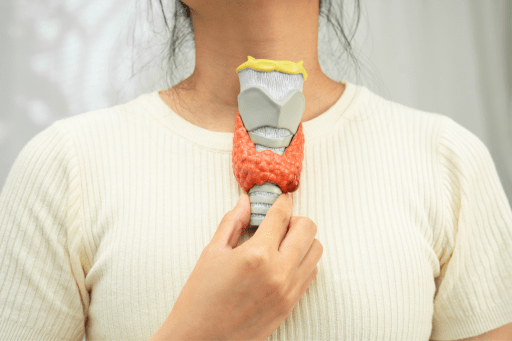
Symptoms Sometimes Associated With Lymphoma
It’s important to note upfront: every symptom listed below is far more commonly caused by something other than lymphoma, such as a common infection, allergies, or stress. Having one or more of these symptoms does not mean you have lymphoma – it means it may be worth mentioning to a doctor, especially if they persist or occur together.
Swollen Lymph Nodes
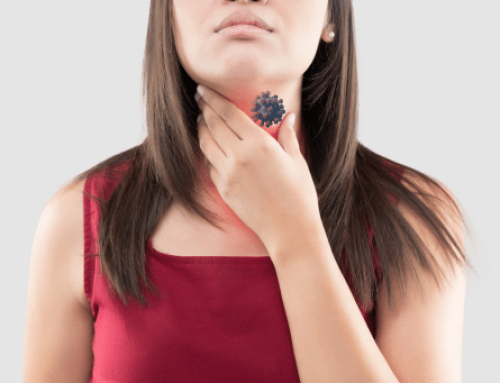
Painless swelling in the neck, armpits, or groin that persists for several weeks is one of the more commonly reported early signs, though swollen nodes are far more often caused by infection.
Night Sweats
Drenching sweats that soak clothing or bedding, even in a cool room.
Unexplained Weight Loss
Losing a noticeable amount of weight without changes to diet or activity level.
Persistent Fatigue
Tiredness that doesn’t improve with rest and interferes with daily life.
Fever or Recurrent Infections
Ongoing low-grade fevers, or getting sick more often than usual.
Chronic Cough or Breathing Issues
Lymph node swelling near the chest can occasionally cause a cough or shortness of breath.
Itching or Skin Changes
Itching without a visible rash is a less common but sometimes-reported symptom.
How Lymphoma Symptoms Compare With Other Conditions
| Symptom | Lymphoma | Cold / Flu | Fatigue / Stress |
|---|---|---|---|
| Swollen Nodes | Persistent, painless | Tender, short-term | Rare |
| Fever | Ongoing or recurrent | Few days | Rare |
| Night Sweats | Severe, drenching | Mild | No |
| Weight Loss | Unexplained | Rare | Rare |
| Fatigue | Constant, severe | Temporary | Variable |
| Cough | Chronic | 1–2 weeks | No |
If symptoms persist longer than expected, further evaluation is important.
When to See a Doctor
Consider a medical evaluation if you notice:
- Symptoms lasting more than two weeks
- Multiple symptoms at the same time
- Rapidly growing lymph nodes
- Night sweats or unexplained weight loss
- Persistent fatigue or fevers
Early testing may include a physical exam, imaging, and sometimes a biopsy. It’s always better to rule out serious causes early.
Can Lymphatic Drainage Massage Help with Lymphatic Discomfort?
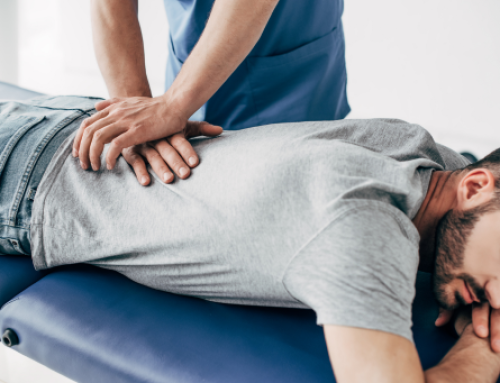
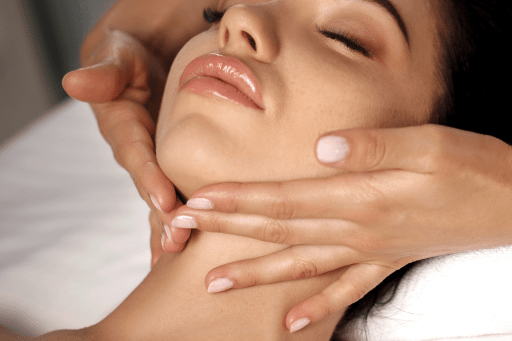
While massage therapy cannot treat or diagnose lymphoma, gentle lymphatic drainage massage may help:
- Reduce fluid retention
- Improve circulation
- Support immune health
- Ease swelling or discomfort
At Mankind Rehab Centre, our therapists focus on safe, supportive care for overall wellness. Always consult your physician before a massage if you have swollen or unexplained lymph nodes.
What to Expect at Diagnosis
If lymphoma is suspected, doctors typically follow these steps:
Physical Exam
Checking for swollen lymph nodes (lymphadenopathy).
Blood Tests
Evaluating infection markers and blood cell counts.
Imaging
CT or PET scans to identify enlarged nodes.
Biopsy
Removing part of a lymph node to confirm type and stage.
A biopsy is the only way to definitively diagnose Hodgkin vs Non-Hodgkin lymphoma.
Conclusion
Recognizing lymphoma warning signs early can make a meaningful difference. Persistent or unusual symptoms shouldn’t be ignored.
Listen to your body. Seek medical advice when something feels off.
And while medical care comes first, supportive therapies like massage can help you manage stress, circulation, and overall wellness during recovery.
Need supportive care or lymphatic drainage therapy?
Book an appointment at Mankind Rehab Centre to support your comfort and well-being.
About the Author
Neha is a Registered Massage Therapist (RMT) at Mankind Rehab Centre, specializing in therapeutic and lymphatic massage techniques for facial and full-body wellness.
Medical Disclaimer:
This article is intended for general informational and educational purposes only and is not a substitute for professional medical advice, diagnosis, or treatment. It does not describe any individual’s actual medical experience. Lymphoma can only be diagnosed through medical evaluation, including a physical exam and, when appropriate, blood tests, imaging, and a biopsy. If you are experiencing persistent, unexplained, or worsening symptoms, please contact a licensed healthcare provider promptly rather than relying on self-assessment.
Frequently Asked Questions
Is a swollen lymph node always lymphoma?
No. Most swollen lymph nodes are caused by infections or minor illnesses. Persistent, painless swelling lasting weeks should be checked by a doctor.
How long can lymph nodes stay swollen before it’s serious?
Nodes lasting more than two weeks without improvement or continuing to grow should be evaluated by a healthcare professional.
What does a lymphoma lump feel like?
It’s usually firm, painless, and doesn’t move easily. Unlike infection-related nodes, it often doesn’t feel tender.
Can allergies or infections cause similar symptoms?
Yes. Colds, flu, allergies, and infections can mimic lymphoma symptoms, which is why proper medical testing is important.
When should I see a doctor for swollen lymph nodes?
See a doctor if swelling persists, grows quickly, or occurs alongside fatigue, fever, night sweats, or weight loss.
Can lymphatic drainage massage help with lymph node swelling?
It may help reduce mild fluid buildup and discomfort, but it does not treat underlying medical conditions. Always seek medical advice first.