Top Benefits of Cupping Therapy: How It Works, Types & Safety
Cupping therapy is an ancient healing technique that has become one of today’s most popular wellness and rehabilitation treatments. From professional athletes and gym-goers to office workers and people living with chronic pain, many turn to cupping for natural relief and faster recovery.
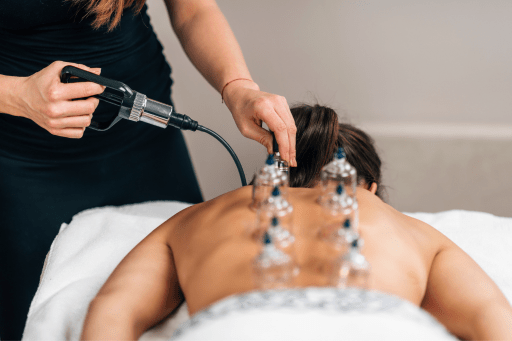
This therapy uses suction cups placed on the skin to stimulate circulation, release muscle tension, and promote healing. In this guide, we focus specifically on the benefits of cupping therapy, including physical, skin, and mental wellness outcomes – plus safety tips and FAQs to help you decide if it’s right for you.
Why People Choose Cupping Therapy
People choose cupping therapy because it offers a drug-free, non-invasive way to reduce pain and improve overall well-being.
It’s commonly used by:
- Athletes recovering from workouts or injuries
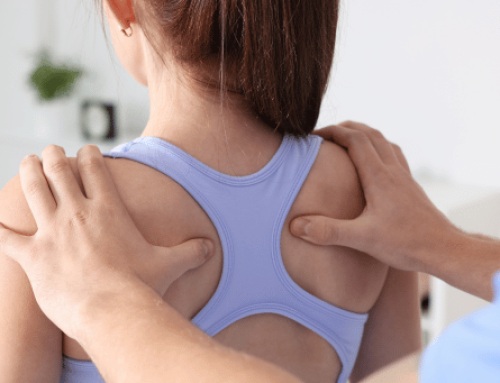
- Desk workers with neck and shoulder tension
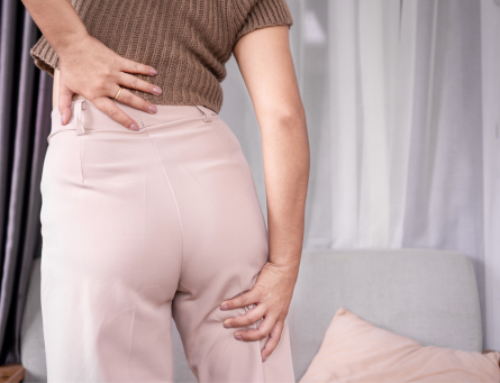
- People with chronic back or joint pain
- Individuals dealing with stress and fatigue
Cupping supports muscular relaxation, better circulation, and deep stress relief – making it a versatile treatment for both body and mind.
Let’s explore the detailed cupping treatment benefits.
Types of Cupping Therapy
There are several types of cupping therapy. Each technique works slightly differently and should be performed by trained professionals such as massage therapists, physiotherapists, or licensed practitioners.
Dry Cupping
The most common method. Cups create suction on the skin to increase blood flow and loosen tight muscles. Ideal for general pain relief and muscle tension.
Wet Cupping (Hijama)
Involves small skin pricks followed by suction to remove stagnant blood. Often used in traditional medicine settings for detox purposes. Must be done by specially trained professionals.
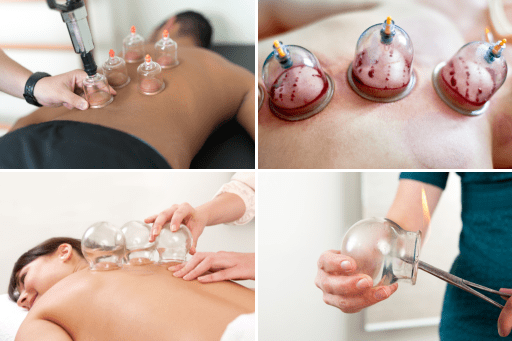
Fire Cupping
Heat is used inside glass cups to create suction. This traditional technique improves circulation and is effective for deep muscle stiffness.
Moving Cupping
Oil is applied and cups glide across the skin. This combines massage and suction, great for larger areas like the back or thighs.
Massage Cupping
Similar to moving cupping but focuses on fascia release and muscle knots. Often used in sports therapy.
Silicone Cupping
Soft, flexible cups are squeezed and placed on the skin. Popular for beginners, facial therapy, and lymphatic drainage treatments.
Core Physical Benefits of Cupping Therapy
Pain Relief & Reduced Muscle Tension
By lifting connective tissue and increasing circulation, cupping releases deep muscular tightness, decreases trigger points, and promotes long-lasting comfort and improved range of motion.
Improved Circulation & Nutrient Delivery
Enhanced blood flow brings fresh oxygen and essential nutrients to injured tissues, supporting faster cellular repair, reduced fatigue, and more efficient recovery.
Reduced Inflammation & Stiffness
Better circulation helps flush inflammatory byproducts, easing swelling, stiffness, and discomfort commonly associated with chronic pain conditions and repetitive movements.
Faster Sports & Workout Recovery
Cupping helps clear lactic acid buildup, minimize delayed onset muscle soreness, and restore flexibility so athletes can return to training sooner.
Support for Headaches & Migraines
Releasing tight neck and shoulder muscles reduces pressure on nerves and blood vessels, helping decrease headache frequency, intensity, and tension-related migraines.
Respiratory Relief (Congestion, Colds)
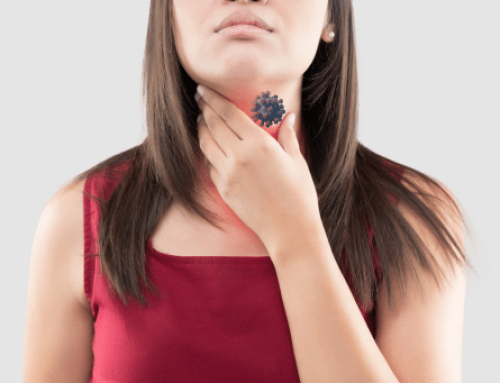
Gentle cupping on the back may loosen mucus, open airways, and promote easier breathing during seasonal colds or mild respiratory congestion.
Improved Joint Mobility & Flexibility
By loosening fascia and surrounding muscles, cupping improves joint mechanics, allowing smoother movement with less restriction or discomfort during daily activities.
Skin, Detox & Cellular Benefits
Cupping therapy isn’t just for muscles – it also improves skin and tissue health.
Improved Skin Health & Cell Regeneration
Increased circulation stimulates collagen production and cellular renewal, helping skin appear brighter, healthier, and more resilient over time.
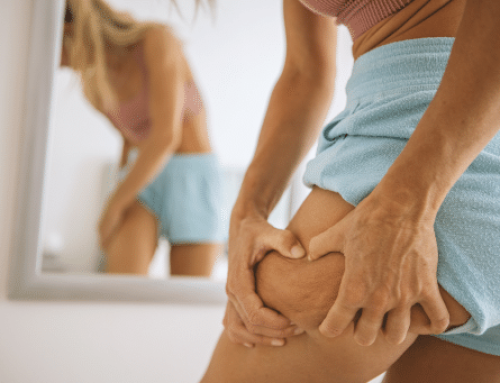
Cellulite & Fascia Improvement
Dynamic cupping techniques soften tight fascia, improve lymphatic flow, and smooth uneven skin texture for a firmer, more toned appearance.
Enhanced Lymphatic Drainage
Stimulated lymph movement supports the body’s natural cleansing process, reducing fluid retention, swelling, and feelings of heaviness.
Support for Detox & Waste Removal
Improved blood and lymph circulation assist the removal of metabolic waste, helping tissues function efficiently and promoting overall wellness.
Mental & Nervous System Benefits
Deep Relaxation & Stress Reduction
The gentle pulling sensation calms the nervous system, lowers cortisol levels, and encourages a restorative state similar to deep massage therapy.
Improved Sleep & Recovery Quality
Reduced muscle tension and nervous system relaxation help the body unwind, making it easier to fall asleep and experience deeper, restorative rest.
Reduced Nervous System Tension
Cupping helps regulate the stress response, easing mental fatigue and promoting a balanced, relaxed feeling throughout the body.
Enhanced Overall Sense of Well-Being
Clients often notice increased energy, improved mood, and mental clarity, contributing to better daily performance and overall quality of life.
Who May Benefit the Most from Cupping Therapy?
Cupping therapy may be especially helpful for:
- Athletes & gym-goers
- Office workers with posture-related tension
- People with chronic pain conditions
- Those with restricted mobility
- High-stress individuals
- People with respiratory congestion
- Anyone seeking skin or lymphatic benefits
How Long Do Benefits of Cupping Therapy Last?
Some benefits, like relaxation and pain relief, can be felt immediately after one session.
For longer-term results:
- Mild issues: every 2–4 weeks
- Chronic pain or sports training: weekly or bi-weekly
Cupping can also be combined with physiotherapy, massage therapy, or chiropractic care for better outcomes.
If you’re wondering how often you should do cupping therapy, your therapist will create a personalized plan based on your goals.
Conclusion
The benefits of cupping therapy go far beyond simple muscle relief. From reducing pain and inflammation to improving circulation, skin health, and stress levels, cupping is a safe, natural, and effective complementary therapy.
When performed by trained professionals, it can support recovery, mobility, and overall wellness.
If you’re ready to experience the benefits of cupping, the experienced team at Mankind Rehab Centre is here to help. Book your session today and feel the difference.
Author Bio
Neha is a healthcare and wellness writer who specializes in creating informative content about holistic therapies, pain management, rehabilitation, and overall well-being. Through her work with Mankind Rehab Centre, she provides clear and practical insights into cupping therapy, including its different techniques, potential benefits for pain relief, muscle recovery, circulation, mobility, relaxation, and skin health, as well as important safety considerations. Her goal is to help readers better understand complementary therapies and make informed decisions about their health and wellness with guidance from qualified professionals.
Frequently Asked Questions
Why do athletes use cupping?
Athletes use cupping to reduce muscle soreness, improve circulation, speed recovery, and enhance flexibility after intense training or competition.
Does cupping really work?
Yes. Many people experience pain relief, improved mobility, and relaxation due to increased blood flow and reduced muscle tension.
How long do cupping marks last?
Cupping marks usually fade within 3–10 days, depending on circulation, hydration, and how strong the suction was.
Is cupping safe for everyone?
Cupping is generally safe but not recommended for people with bleeding disorders, skin infections, or during pregnancy without professional advice.
What should I avoid after cupping?
Avoid intense exercise, hot showers, alcohol, and heavy meals for several hours to allow your body to recover.
Can cupping help with back pain?
Yes. Cupping helps relax tight back muscles, reduce inflammation, and improve circulation for effective back pain relief.
What is ventosa therapy?
Ventosa therapy is another name for cupping therapy, commonly used in traditional medicine to promote circulation and healing.
Does cupping therapy hurt?
It may feel tight or pulling, but is usually not painful. Most people find it relaxing.
How often should you do cupping therapy?
Weekly or bi-weekly sessions for chronic issues, and monthly sessions for maintenance or general wellness.
How to get rid of cupping marks fast?
Stay hydrated, apply gentle massage, use warm compresses, and allow time for natural healing.