TMJ Massage: Benefits, Techniques, and Relief for Jaw Tension
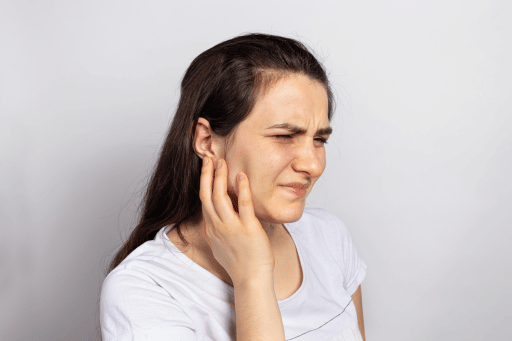
Jaw discomfort can make everyday activities such as eating, speaking, yawning, or chewing feel uncomfortable. You may also notice tightness around your cheeks, temples, or jaw after clenching your teeth during stressful situations. TMJ massage is one approach that may help ease muscle tension and discomfort associated with certain temporomandibular disorders (TMD).
This type of massage focuses on the muscles around the jaw and temples rather than forcefully manipulating the jaw joint. Depending on the cause of your symptoms, gentle massage may support comfort and jaw movement. If you are exploring massage therapy in Brampton, understanding the potential benefits, gentle techniques, and when to seek professional assessment can help you make informed decisions about managing jaw discomfort.
What Is TMJ and How Does It Cause Jaw Pain?
The temporomandibular joints (TMJs) are located on either side of your head, just in front of your ears. These joints connect your lower jaw to your skull and help you open and close your mouth for activities such as speaking, chewing, and yawning.
Temporomandibular disorders (TMD) are conditions that affect these joints, the muscles responsible for chewing, or other associated structures. They can cause symptoms such as jaw pain, facial tenderness, difficulty opening the mouth comfortably, and clicking or popping sounds when moving the jaw.
Several factors may contribute to TMD symptoms. These include frequent jaw clenching, teeth grinding, muscle overuse, facial injuries, stress-related muscle tension, and certain joint conditions. Sometimes, more than one factor is involved.
It is important to understand that TMJ pain does not always result from tight muscles. Clicking or popping without pain is also common and does not necessarily require treatment. If symptoms persist, worsen, or interfere with everyday activities, a dentist or healthcare professional can help assess possible causes and recommend appropriate care.
Can TMJ Massage Help Relieve Jaw Pain?
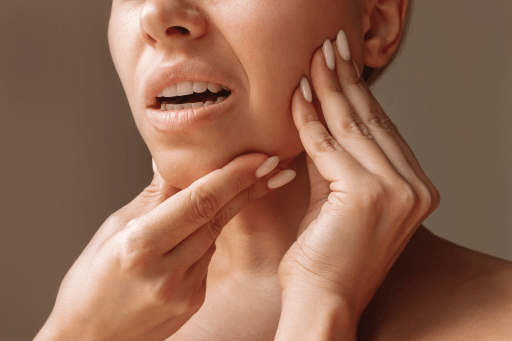
TMJ massage therapy may help some people who experience jaw discomfort related to muscle tension or tenderness. Gentle massage and manual trigger point techniques focus on muscles involved in chewing, including the masseter along the side of the jaw and the temporalis near the temples.
When muscle tension contributes to symptoms, massage may provide short-term relief from tenderness and discomfort. Some people may also find that gentle techniques make ordinary jaw movements feel more comfortable. The results vary depending on the individual, the cause of the symptoms, and the treatment approach.
However, massage for TMJ pain is not a universal solution. It may not address problems originating within the joint, dental conditions, injuries, or other underlying causes. Applying excessive pressure can also aggravate sensitive tissues.
Before choosing a treatment, explore the massage therapy services available at Mankind Massage Therapy and discuss your symptoms with an appropriately qualified healthcare professional to determine whether massage is suitable for you.
What Are the Benefits of TMJ Massage?
When jaw discomfort is associated with muscle tension, gentle TMJ massage may offer several potential benefits. The effects are not guaranteed, and the results depend on the cause and severity of the symptoms.
1. May Help Ease Jaw Muscle Tension
Frequent clenching, grinding, or prolonged chewing can leave the muscles around the jaw feeling tight or tired. Gentle massage may help reduce the sensation of muscle tension and encourage relaxation.
2. May Reduce Muscle-Related Discomfort
Tenderness in the cheeks, jawline, and temples can make chewing or speaking uncomfortable. Massage directed at suitable muscle areas may provide temporary relief when muscle sensitivity contributes to the pain.
3. May Support Comfortable Jaw Movement
When muscle discomfort limits comfortable movement, reducing tenderness may make everyday activities feel easier. However, massage should never be used to force the jaw open or push through painful movement.
4. May Complement Other Management Strategies
TMJ massage may form part of a broader approach that includes education, relaxation strategies, appropriate jaw exercises, and professional assessment. Depending on the cause, dental or medical care may also be necessary.
Remember: These are possible benefits, not guaranteed outcomes. Massage does not necessarily stop teeth grinding, correct bite alignment, prevent joint damage, or treat every cause of jaw pain.
Common TMJ Massage Techniques
Different massage techniques focus on the muscles that help control jaw movement. The appropriate approach depends on the person’s symptoms, comfort level, and assessment findings.
Masseter Muscle Massage
The masseter is a strong chewing muscle located along the side of the jaw, extending from the cheekbone area toward the lower jaw. It helps you close your mouth while chewing.
To locate it, gently place your fingers against the side of your cheek and lightly clench your teeth for a moment. You may feel the muscle tighten. Relax your jaw before applying gentle circular movements over the muscle. Use light pressure and avoid pressing directly into a painful joint or sensitive area.
Temporalis Muscle Massage
The temporalis muscle is located on the side of the head near the temples. It assists with chewing and jaw movement. Some people with jaw muscle tension also experience tenderness in this area.
Using your fingertips, make slow, gentle circles over the temples while keeping your jaw relaxed. Avoid aggressive pressure, particularly if the area is already sensitive.
Gentle Jaw Muscle Massage
Gentle external massage can focus on accessible muscles around the cheeks and jawline. The goal is to work comfortably within the person’s tolerance rather than trying to eliminate discomfort through stronger pressure.
Avoid forceful manipulation, pressing hard into the jaw joint, or stretching the mouth beyond a comfortable range. Stop if the technique increases pain or causes other concerning symptoms.
Professional Manual Therapy
A qualified practitioner can assess muscle tenderness, discuss your symptoms, and determine whether manual therapy is suitable. Depending on their training and the findings of the assessment, they may use gentle external massage or other appropriate techniques.
Any intraoral technique, which involves working inside the mouth, requires relevant professional training, informed consent, and appropriate infection-control procedures. It is not a technique that should be attempted without suitable training.
You can learn more about Mankind Massage Therapy and contact the clinic to ask whether its practitioners and available services are appropriate for your particular concerns.
How to Perform a Gentle Jaw Massage at Home
If your symptoms are mild and you have no warning signs of a more serious problem, gentle self-massage may help you manage muscle tension. Keep the movements comfortable and avoid treating massage as a substitute for assessment when symptoms persist.
Follow these steps:
- Relax your jaw: Sit comfortably and allow your lips to rest naturally, with your upper and lower teeth slightly apart.
- Massage the masseter: Place your fingertips against the fleshy area along the side of your jaw. Use slow, light circular movements.
- Massage the temples: Gently move your fingertips in small circles over the temples without applying excessive pressure.
- Keep the pressure light: The massage should feel comfortable. Do not press hard, force your mouth open, or continue through pain.
- Pay attention to your response: Stop if your discomfort increases, you experience dizziness, or other concerning symptoms develop.
Do not massage an acutely injured or significantly swollen area. If you have persistent jaw pain, unexplained symptoms, difficulty opening your mouth, or recurring episodes of discomfort, seek professional guidance to identify the cause before continuing self-treatment.
When Should You See a Professional for TMJ Massage?
Occasional mild jaw tension may improve with simple relaxation strategies, but recurring or persistent symptoms deserve attention. Professional assessment can help determine whether the discomfort is related to the chewing muscles, the jaw joint, dental issues, or another condition.
Consider arranging an assessment if you experience:
- Persistent or recurring jaw discomfort.
- Tenderness in the cheeks, temples, or jaw muscles.
- Painful clenching or suspected teeth grinding.
- Difficulty moving your jaw comfortably.
- Discomfort that interferes with eating, speaking, or yawning.
- Symptoms that do not improve or that keep returning.
A dentist can assess possible dental causes and signs of teeth grinding. Depending on your symptoms, a physician or appropriately qualified physiotherapy or massage therapy professional may also help determine suitable next steps.
Seek prompt medical or dental assessment for severe or sudden jaw pain, significant swelling, fever, recent facial trauma, or a jaw that becomes locked.
Jaw discomfort accompanied by chest pain, shortness of breath, sweating, or pain spreading to the arm or neck may indicate a medical emergency. Call emergency services rather than attempting massage.
If your symptoms appear to involve muscle tension and you are considering massage, you can contact Mankind Massage Therapy to discuss your concerns. Massage should not replace medical or dental assessment when warning signs are present.
Is TMJ Massage Better Than Other TMJ Treatments?
There is no single treatment that works best for everyone with TMJ-related symptoms. The most appropriate approach depends on the underlying cause, symptom severity, medical and dental history, and individual response to care.
| Approach | How It May Help |
|---|---|
| TMJ massage or manual trigger point therapy | May ease muscle tenderness and tension when the chewing muscles contribute to discomfort. |
| Appropriate jaw exercises | May support comfortable movement and function when recommended for the person’s symptoms. |
| Education and self-management | May help people recognize clenching habits, manage contributing factors, and use comfortable jaw positions. |
| Dental assessment | Can help identify dental causes, assess teeth grinding, and determine whether dental management is appropriate. |
| Medical or physiotherapy assessment | May help investigate persistent symptoms and guide treatment based on the person’s presentation. |
These approaches are not interchangeable. For example, massage may help muscle-related discomfort but may not address a dental problem or an underlying joint condition. Similarly, exercises should be appropriate for the person’s symptoms rather than performed through pain.
In some cases, a combination of approaches may be recommended. A healthcare professional can help determine which options are suitable and whether further assessment is necessary. You can also explore Mankind Massage Therapy’s website to learn about the clinic and discuss available services.
Where Can You Get TMJ Massage in Brampton?
If you are experiencing jaw muscle tension or discomfort, choosing care that considers your symptoms and comfort is important. Before booking a massage, discuss your concerns with the provider and ask whether their training and services are appropriate for TMJ-related muscle discomfort.
Mankind Massage Therapy is a massage therapy provider in Brampton that you can contact to discuss your needs and ask about suitable treatment options. The appropriate approach will depend on your symptoms and whether massage is considered suitable after discussing your concerns.
Massage should not replace dental or medical assessment when symptoms are persistent, severe, unexplained, or associated with warning signs.
If you are experiencing jaw muscle tension or discomfort, contact Mankind Massage Therapy to discuss your symptoms and explore whether massage therapy may be appropriate for you.
Conclusion
TMJ massage may help ease jaw muscle tension, tenderness, and discomfort for some people, particularly when symptoms are related to tight chewing muscles. Gentle techniques targeting the masseter and temporalis muscles may support comfort, but results vary depending on the underlying cause. Massage is not a substitute for dental or medical assessment when symptoms are persistent, severe, or unexplained.
If you experience recurring jaw discomfort, clenching, or difficulty moving your jaw comfortably, consider speaking with a qualified healthcare professional to determine the most appropriate approach. If massage may be suitable for your needs, contact Mankind Massage Therapy in Brampton to discuss your symptoms and explore available massage therapy options.
Frequently Asked Questions
Does TMJ massage really work?
TMJ massage may help some people with muscle-related jaw discomfort by easing tenderness and tension. Results vary, and massage may not address dental causes or problems within the jaw joint. Persistent symptoms should be assessed by an appropriate healthcare professional.
Where do you massage for TMJ pain?
Common areas include the masseter muscle along the side of the jaw and the temporalis muscle near the temples. Use gentle pressure on accessible muscles and avoid forceful manipulation of the joint. Stop if your symptoms worsen.
How often should you get a TMJ massage?
There is no universal schedule for TMJ massage. The appropriate frequency depends on the cause of the symptoms, their severity, and how you respond to treatment. A qualified practitioner can discuss a suitable approach after reviewing your concerns.
Can massage help with jaw clenching?
Massage may temporarily ease muscle discomfort associated with clenching. However, it does not necessarily stop the clenching habit or prevent sleep-related teeth grinding. A dentist or healthcare professional can help assess contributing factors and discuss appropriate management options.
Can TMJ massage make the pain worse?
Yes. Excessive pressure, unsuitable techniques, or massage over an injured or inflamed area may aggravate symptoms. Keep pressure gentle and stop if discomfort increases. Seek professional advice if the pain persists or worsens.
Should I see a dentist or massage therapist for TMJ pain?
A dentist can assess possible dental causes, teeth grinding, and other oral health concerns. A massage therapist may be able to help with muscle-related tension when the treatment is appropriate for their training and scope of practice. If symptoms are severe, persistent, or unexplained, seek medical or dental assessment before relying on massage.