MD vs. Doctor of Osteopathy: Key Differences, Training and What It Means in Ontario
MD vs. doctor of osteopathy is a question many patients ask when they see different letters after a practitioner’s name, and the answer has an extra layer in Ontario. In the United States, both are fully licensed physicians, and the main difference is training and philosophy. In Ontario, many people who use the word “osteopath” are manual practitioners rather than physicians. This guide explains what an MD is, what a doctor of osteopathic medicine (DO) is, how they compare, and what the titles mean when you are looking for care in Brampton.
What Is an MD (Doctor of Medicine)?
MD stands for Doctor of Medicine. MDs follow the conventional, or allopathic, model of medicine. They complete medical school, then residency training in a specialty such as family medicine, surgery or psychiatry.
MDs diagnose illness, order tests, prescribe medication and can perform surgery. They can work in any area of medicine.
What Is a Doctor of Osteopathy (DO)?
DO usually stands for Doctor of Osteopathic Medicine. It is a full medical degree, not a short course or a certificate in manual therapy. DOs complete medical school and residency, pass board exams and can practise in any specialty, just like MDs.
Training and Osteopathic Manipulative Treatment (OMT)
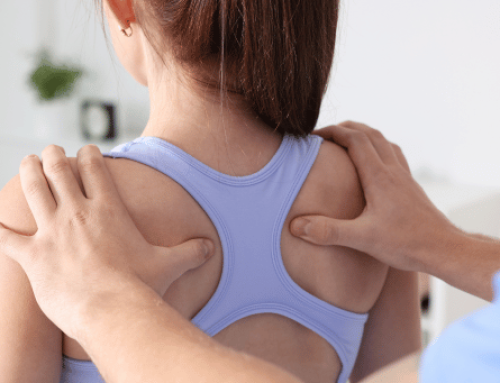
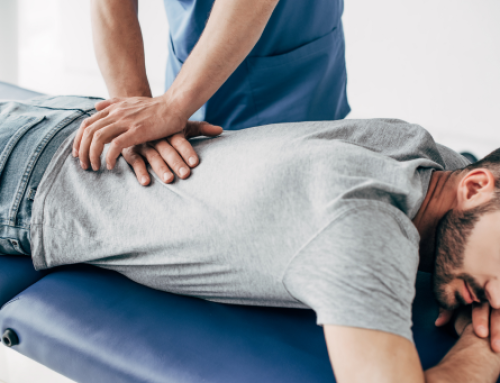
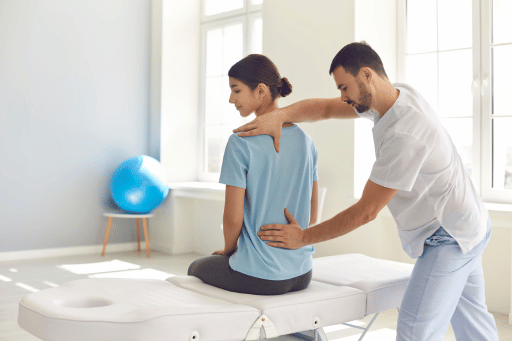
DOs learn the same core medical science and clinical skills as MDs. On top of that, they receive extra training in the musculoskeletal system and in osteopathic manipulative treatment (OMT), a hands-on method used to ease pain and improve movement. This is commonly described as about 200 additional hours of training. You can read more about the difference in Healthline’s MD vs. DO guide.
Whole-Person Approach
Osteopathic training places extra emphasis on prevention, lifestyle and treating the whole person, with the idea that the body’s structure and function are connected. This does not mean MDs ignore these things, since conventional medical training also stresses prevention. The difference is one of emphasis.
MD vs. DO: Key Differences
| Feature | MD | DO |
|---|---|---|
| Degree | Doctor of Medicine | Doctor of Osteopathic Medicine |
| Approach | Conventional (allopathic), focused on diagnosing and treating disease | Whole-person approach, with attention to how the body’s structure affects its function |
| Training | Medical school and residency | Medical school and residency, plus about 200 extra hours of musculoskeletal and OMT training |
| Hands-on OMT | Not a standard part of training | Taught as part of training |
| US licensing exams | USMLE | COMLEX-USA (many DOs also take the USMLE) |
| Scope of practice | Full scope, any specialty | Full scope, any specialty |
In practice, patients often notice little difference between the two in the exam room.
Is a DO a Real Doctor?
Yes. In the United States, a DO is a fully licensed physician with the same practice rights as an MD. DOs can prescribe medication, order tests, perform surgery and specialize in any field.
When choosing a doctor, experience, specialty, communication and trust usually matter more than whether the letters are MD or DO.
MD vs. DO in Canada and Ontario
This is where most of the confusion starts, because the word “osteopath” means different things depending on training.
How Osteopathic Physicians (DOs) Are Licensed in Ontario
There are no osteopathic medical schools in Canada, so DOs practising here trained elsewhere, usually in the United States. The College of Physicians and Surgeons of Ontario (CPSO) recognizes the DO degree from accredited US osteopathic medical schools, and it sets the residency and licensing pathways. These pathways have been changing, so physicians should check the CPSO’s current requirements. Each province also sets its own rules, as HealthLink BC explains.
Doctor of Osteopathy vs. Manual Osteopath
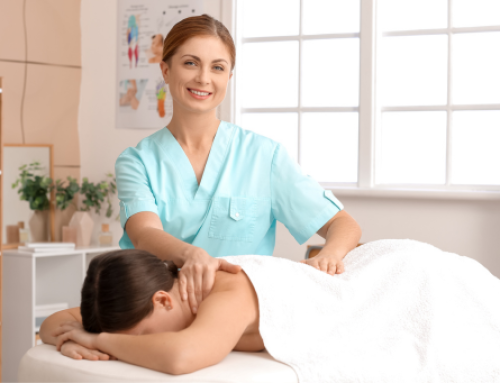
A manual osteopath is a different kind of practitioner. Manual osteopaths use hands-on techniques to assess and treat the musculoskeletal system, but they are not medical doctors, and they cannot prescribe medication or perform surgery. According to Osteopathy Ontario, non-medical manual osteopathy is not a regulated health profession in Ontario.
Because the title is not regulated, it is worth asking any practitioner about their training, credentials and professional association before you book.
Which Should You See: A Physician or an Osteopath?
The right choice depends on what you need.
- See a physician (MD or DO) for diagnosis, tests, prescriptions, surgery and medical emergencies.
- Consider a manual osteopath, physiotherapist or chiropractor for hands-on care for musculoskeletal pain, such as back or neck pain. They may help ease symptoms and can work alongside your doctor.
If you would like to learn more, read our guide, What Is an Osteopath?, or visit our page on osteopathy in Brampton.
When Should You See a Doctor First?
See a physician or go to emergency care before booking hands-on treatment if you have:
- Sudden severe pain, or pain after a serious fall or accident
- Numbness or weakness in your arms or legs
- Loss of bladder or bowel control
- Fever together with back pain
- Pain that is persistent, unexplained or getting worse
Conclusion
An MD and a DO are both fully trained physicians in the United States. A DO adds extra training in the musculoskeletal system and hands-on osteopathic treatment. In Ontario, remember that a manual osteopath is not a physician, and the title is not regulated, so check credentials before you book.
If you have musculoskeletal pain and want to talk through your options, you can book an osteopathy assessment at Mankind Rehab Centre in Brampton. This article is for general information only and is not medical advice. Please consult a qualified practitioner about your own situation.
About the Author
Neeru Batra is a Manual Osteopathic Practitioner (DOMP) who completed her Diploma in Osteopathic Manual Practice at Sara Canadian Academy in Brampton, Ontario, in June 2026. She also has experience in massage therapy and Ayurvedic wellness treatments, bringing a holistic approach to client care.
Her skills include osteopathic assessment, soft tissue techniques, joint mobilization, deep tissue massage, and postural analysis. Neeru focuses on understanding each client’s needs and providing personalized care to support pain management, improve mobility, and promote overall physical well-being.
Learn more about the clinic’s practitioners on the Our Team page.
Frequently Asked Questions
What is the difference between an MD and a doctor of osteopathy?
Both are medical degrees. The main difference is that DOs follow an osteopathic philosophy and receive about 200 extra hours of training in the musculoskeletal system and hands-on treatment.
Is a DO a real doctor?
Yes. In the US, DOs are fully licensed physicians with the same practice rights as MDs. In Ontario, a DO must be licensed by the CPSO to practise medicine.
Can a DO prescribe medication and perform surgery?
Yes, if they hold a medical licence in the place they practise. DOs can prescribe, order tests, perform surgery and work in any specialty.
Do patients notice a difference between an MD and a DO?
Often not. Both diagnose and treat illness in a similar way, though some DOs also use hands-on osteopathic treatment.
Is a DO the same as an osteopath?
Not necessarily. A DO is a physician with a medical degree, while a manual osteopath is a hands-on practitioner who is not a medical doctor.
Are DOs recognized in Canada?
Yes. Provincial medical regulators recognize DOs from accredited US osteopathic medical schools, and each province sets its own licensing requirements.
Can a DO practise in Ontario?
Yes, if they meet the CPSO’s licensing requirements. Those pathways have been changing, so check the CPSO’s website for the current rules.
Is osteopathy regulated in Ontario?
Osteopathic physicians are regulated as physicians. Non-medical manual osteopathy is not a regulated health profession in Ontario.
Which is better, an MD or a DO?
Neither is better. Choose a physician based on their experience, specialty, communication style and how comfortable you feel with them.
Does a DO use hands-on treatment?
Some do. DOs are trained in osteopathic manipulative treatment, but not every DO uses it in daily practice.
FAQ Schema
<script type=”application/ld+json”>
{
“@context”: “https://schema.org”,
“@type”: “FAQPage”,
“mainEntity”: [
{
“@type”: “Question”,
“name”: “What is the difference between an MD and a doctor of osteopathy?”,
“acceptedAnswer”: {
“@type”: “Answer”,
“text”: “Both are medical degrees. The main difference is that DOs follow an osteopathic philosophy and receive about 200 extra hours of training in the musculoskeletal system and hands-on treatment.”
}
},
{
“@type”: “Question”,
“name”: “Is a DO a real doctor?”,
“acceptedAnswer”: {
“@type”: “Answer”,
“text”: “Yes. In the US, DOs are fully licensed physicians with the same practice rights as MDs. In Ontario, a DO must be licensed by the CPSO to practise medicine.”
}
},
{
“@type”: “Question”,
“name”: “Can a DO prescribe medication and perform surgery?”,
“acceptedAnswer”: {
“@type”: “Answer”,
“text”: “Yes, if they hold a medical licence in the place they practise. DOs can prescribe, order tests, perform surgery and work in any specialty.”
}
},
{
“@type”: “Question”,
“name”: “Do patients notice a difference between an MD and a DO?”,
“acceptedAnswer”: {
“@type”: “Answer”,
“text”: “Often not. Both diagnose and treat illness in a similar way, though some DOs also use hands-on osteopathic treatment.”
}
},
{
“@type”: “Question”,
“name”: “Is a DO the same as an osteopath?”,
“acceptedAnswer”: {
“@type”: “Answer”,
“text”: “Not necessarily. A DO is a physician with a medical degree, while a manual osteopath is a hands-on practitioner who is not a medical doctor.”
}
},
{
“@type”: “Question”,
“name”: “Are DOs recognized in Canada?”,
“acceptedAnswer”: {
“@type”: “Answer”,
“text”: “Yes. Provincial medical regulators recognize DOs from accredited US osteopathic medical schools, and each province sets its own licensing requirements.”
}
},
{
“@type”: “Question”,
“name”: “Can a DO practise in Ontario?”,
“acceptedAnswer”: {
“@type”: “Answer”,
“text”: “Yes, if they meet the CPSO’s licensing requirements. Those pathways have been changing, so check the CPSO’s website for the current rules.”
}
},
{
“@type”: “Question”,
“name”: “Is osteopathy regulated in Ontario?”,
“acceptedAnswer”: {
“@type”: “Answer”,
“text”: “Osteopathic physicians are regulated as physicians. Non-medical manual osteopathy is not a regulated health profession in Ontario.”
}
},
{
“@type”: “Question”,
“name”: “Which is better, an MD or a DO?”,
“acceptedAnswer”: {
“@type”: “Answer”,
“text”: “Neither is better. Choose a physician based on their experience, specialty, communication style and how comfortable you feel with them.”
}
},
{
“@type”: “Question”,
“name”: “Does a DO use hands-on treatment?”,
“acceptedAnswer”: {
“@type”: “Answer”,
“text”: “Some do. DOs are trained in osteopathic manipulative treatment, but not every DO uses it in daily practice.”
}
}
]
}
</script>