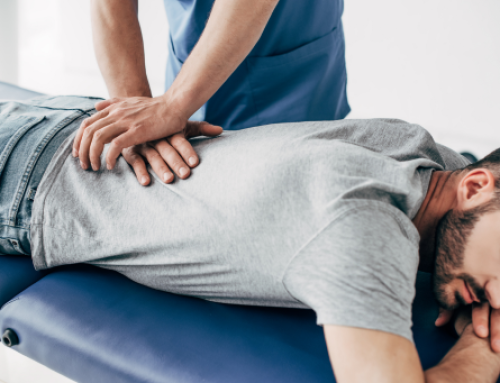
What is the Deep Tissue Massage? Benefits, Recovery, and Side Effects
Muscle tension, stiffness, and chronic aches can make everyday activities uncomfortable. Many people turn to massage therapy as a natural way to relieve pain and improve mobility. Among the various massage techniques available, deep tissue massage has become increasingly popular for addressing persistent muscle discomfort and supporting recovery.
Unlike relaxation-focused massage treatments, deep tissue massage targets deeper layers of muscles and connective tissues. It is commonly used by athletes, office workers, and individuals experiencing chronic tension to help restore movement and reduce discomfort.
What is the Deep Tissue Massage?
If you are wondering what is the deep tissue massage, it is a therapeutic massage technique that focuses on the deeper layers of muscle and fascia (connective tissue). The goal is to release chronic muscle tension, break down adhesions, and improve overall muscle function.
When therapists define deep tissue massage, they describe it as a treatment that uses slow, controlled strokes and firm pressure to reach underlying muscle structures. Unlike lighter massage techniques, deep tissue massage concentrates on areas of long-standing tension and restricted movement.
Understanding what is deep tissue massage can help individuals determine whether it is suitable for their specific needs, especially when dealing with recurring muscle tightness or mobility concerns.

How Does Deep Tissue Massage Work?
Deep tissue massage works by targeting muscles and connective tissues beneath the surface layers.
Targets Deeper Muscle Layers
The therapist applies pressure to reach muscles that may not be affected during traditional relaxation massage. This helps address long-term tension patterns.
Breaks Down Scar Tissue and Adhesions
Injuries, repetitive movements, and poor posture can create adhesions within muscles. Deep tissue massage helps reduce these restrictions and improve tissue mobility.
Improves Blood Circulation
The pressure and movement involved in treatment encourage blood flow to affected areas, helping deliver oxygen and nutrients to muscles.
Supports Mobility and Flexibility
Releasing tight muscles may improve joint movement and flexibility, making everyday activities more comfortable.
Encourages Muscle Recovery
Deep tissue massage is commonly used after physical activity to help reduce muscle tightness and support recovery.
Common Techniques Used in Deep Tissue Massage
Several specialized techniques are used during a deep tissue massage session.
Slow Strokes
Slow, deliberate strokes allow the therapist to reach deeper muscle layers and identify areas of tension.
Sustained Pressure
Applying consistent pressure to specific areas helps release tight muscles and improve tissue flexibility.
Trigger Point Therapy
Trigger points are sensitive areas within muscles that may cause localized or referred pain. Targeted pressure can help reduce discomfort and improve function.
Cross-Fiber Friction
This technique involves moving across muscle fibers rather than along them to help break down adhesions and improve mobility.
Myofascial Release Techniques
Myofascial release focuses on reducing restrictions within connective tissues surrounding muscles, supporting better movement patterns.
Each of these techniques plays an important role in reducing muscle tension and discomfort while promoting improved physical function.
Benefits of Deep Tissue Massage
The benefits of deep tissue massage extend beyond temporary relief and may contribute to overall physical well-being.
Helps Reduce Chronic Muscle Tension
One of the primary deep tissue massage benefits is the reduction of persistent muscle tightness that may develop from stress, repetitive activities, or poor posture.
Supports Recovery After Physical Activity
Athletes and active individuals often use deep tissue massage to assist with muscle recovery following intense training sessions.
Improves Mobility and Flexibility
By releasing muscle restrictions, treatment may help improve range of motion and make movement more comfortable.
May Reduce Stress and Promote Relaxation
Although deep tissue massage focuses on therapeutic outcomes, many individuals still experience relaxation and reduced stress levels following treatment.
Can Help Manage Postural Strain
Office workers who spend long hours sitting at desks often develop neck, shoulder, and lower back tension. Deep tissue massage may help address these issues.
Encourages Better Circulation
Improved circulation can support tissue health and contribute to the body’s natural recovery processes.
The advantages of deep tissue massage are particularly noticeable among office workers experiencing desk-related tension, athletes recovering from exercise, and active individuals seeking improved mobility.
Who Can Benefit from Deep Tissue Massage?
Deep tissue massage may be beneficial for:
- Athletes recovering from training and sports activities.
- Office workers experiencing neck, shoulder, and back tension.
- Individuals with chronic neck and back discomfort.
- People recovering from repetitive strain injuries.
- Individuals experiencing postural imbalances due to prolonged sitting or standing.
A personalized assessment helps determine whether deep tissue massage is appropriate for each person’s needs.
Deep Tissue Massage vs Swedish Massage
| Feature | Deep Tissue Massage | Swedish Massage |
|---|---|---|
| Pressure | Firm to Deep | Light to Moderate |
| Goal | Pain Relief & Recovery | Relaxation |
| Focus | Deep Muscle Layers | Surface Muscles |
| Best For | Chronic Tension | Stress Relief |
What to Expect During a Deep Tissue Massage Session
Knowing what to expect can help you feel more comfortable before your appointment.
Before Treatment
- Health History Review
Your therapist will discuss your health history, previous injuries, and any current concerns. - Discussion of Pain Areas
Specific areas of discomfort and treatment goals will be identified before the session begins.
During Treatment
- Areas of Focus
The therapist will focus on muscles and tissues contributing to tension or discomfort. - Pressure Adjustments
Pressure levels can be adjusted based on your comfort and therapeutic needs. - Communication with Therapist
Open communication ensures the treatment remains effective while staying within your comfort level.
After Treatment
- Mild Soreness May Occur
Some individuals experience temporary soreness following treatment. - Importance of Hydration
Drinking water after the session may help support recovery. - Recovery Recommendations
Your therapist may recommend stretching, light movement, or other self-care strategies.
Are There Any Side Effects?
While deep tissue massage is generally considered safe, some individuals may experience mild and temporary side effects.
Mild Tenderness
Muscles may feel tender for one to two days after treatment.
Temporary Fatigue
Some people feel tired or relaxed immediately following their session.
Slight Bruising
In rare cases, mild bruising may occur, especially in sensitive areas.
When to Seek Professional Advice
Individuals with certain medical conditions, recent surgeries, blood clotting disorders, or acute injuries should consult a healthcare professional before receiving treatment.
Most side effects are temporary and resolve within a short period.
Conclusion
Understanding what is the deep tissue massage can help you decide whether this therapeutic treatment aligns with your health and wellness goals. By targeting deeper muscle layers, reducing tension, improving mobility, and supporting recovery, deep tissue massage offers a range of benefits for athletes, office workers, and individuals experiencing chronic discomfort.
Because every individual has unique needs, treatment plans should always be tailored to specific goals and physical conditions.
If you are experiencing persistent muscle pain, tension, or mobility limitations, the experienced team at Mankind Rehab Centre can help. Contact Mankind Rehab Centre today to learn how professional deep tissue massage therapy may support your recovery and overall well-being.
Author Bio
Neha is a healthcare and wellness writer who creates informative content focused on massage therapy, pain management, muscle recovery, mobility, and overall physical well-being. Through her work with Mankind Rehab Centre, she provides clear and practical insights into deep tissue massage, including how it works, its techniques, potential benefits, recovery considerations, and possible side effects. Her content helps readers understand whether deep tissue massage may be suitable for concerns such as chronic muscle tension, postural strain, sports recovery, and persistent discomfort, while emphasizing the importance of personalized treatment from qualified massage therapists.
Frequently Asked Questions
Is deep tissue massage painful?
Deep tissue massage may cause mild discomfort due to firm pressure, but it should not be overly painful. Always communicate with your therapist about your comfort level.
Are there any side effects?
Some people experience temporary soreness, tenderness, fatigue, or mild bruising after treatment. These effects are usually short-lived and resolve within a few days.
How long does soreness last after a deep tissue massage?
Post-massage soreness typically lasts between 24 and 48 hours. Staying hydrated and performing light stretching may help support recovery.
What conditions can deep tissue massage help with?
Deep tissue massage may help reduce chronic muscle tension, postural strain, sports-related tightness, and mobility restrictions caused by repetitive movements.
When should you avoid deep tissue massage?
Individuals with blood clotting disorders, recent surgeries, acute injuries, infections, or certain medical conditions should consult a healthcare professional before treatment.
How often should I get a deep tissue massage?
The ideal frequency depends on your health goals, activity level, and symptoms. Many people benefit from sessions every few weeks.
What’s the difference between deep tissue and Swedish massage?
Deep tissue massage uses firm pressure to target deeper muscles, while Swedish massage focuses on relaxation using lighter, flowing strokes.
Can deep tissue massage help with back pain?
Deep tissue massage may help relieve muscle-related back tension, improve flexibility, and support better movement when included in a comprehensive treatment plan.
Is deep tissue massage safe for everyone?
Deep tissue massage is generally safe for most people, but certain medical conditions may require approval from a healthcare provider beforehand.
How should I prepare for a deep tissue massage session?
Drink plenty of water, wear comfortable clothing, and discuss any injuries, pain areas, or health concerns with your therapist before treatment.