
Can a Chiropractor Help with Sciatica? What You Need to Know
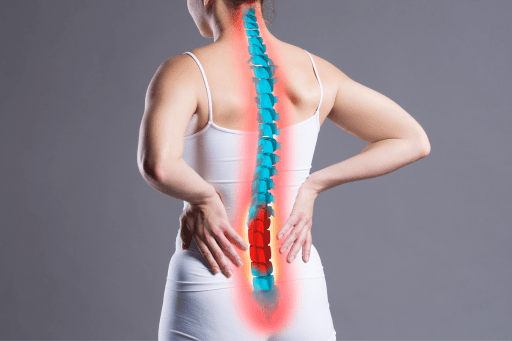
Sciatica is a condition that causes pain along the path of the sciatic nerve, which runs from the lower back through the hips and down each leg. Many people experience symptoms such as lower back pain, a burning sensation, leg pain, tingling, or numbness that can affect daily activities and mobility.
Because sciatica can interfere with movement and comfort, many individuals look for non-surgical treatment options. One commonly considered option is chiropractic care. If you are wondering, “can chiropractor help sciatica,” the answer depends on the underlying cause of the symptoms and the severity of the condition.
What is Sciatica?
Sciatica refers to irritation or compression of the sciatic nerve. Rather than being a condition itself, it is usually a symptom caused by another issue affecting the lower spine or surrounding tissues.
The sciatic nerve is the largest in the body and plays an important role in leg movement and sensation. When the nerve becomes compressed or irritated, pain and neurological symptoms may develop.
Herniated Discs
A herniated disc occurs when the soft inner portion of a spinal disc pushes outward and places pressure on nearby nerves. This is one of the most common causes of sciatica.
Spinal Stenosis
Spinal stenosis involves narrowing of the spaces within the spine, which can place pressure on the sciatic nerve and contribute to lower back pain and sciatica symptoms.
Bone Spurs
Bone spurs are bony growths that may develop due to spinal degeneration or arthritis. These growths can irritate nearby nerves and contribute to nerve pain.
Muscle Irritation
Tight muscles, particularly the piriformis muscle located in the buttock region, may irritate the sciatic nerve and cause symptoms similar to sciatica.
Pregnancy-Related Pressure
Pregnancy may place additional pressure on the lower back and pelvis, which can sometimes irritate the sciatic nerve and lead to discomfort.
Can a Chiropractor Help Sciatica?
Chiropractic treatment for sciatica may help some individuals manage symptoms and improve mobility. Chiropractors focus on spinal alignment, joint function, and movement patterns that may contribute to nerve irritation.
The goals of chiropractic care for nerve pain often include:
- Reducing pressure on the sciatic nerve
- Improving spinal movement
- Supporting mobility and posture
- Managing pain and discomfort
- Helping improve daily function
Some individuals experience relief with chiropractic adjustments, while others may require a combination of therapies depending on the cause of their symptoms.
It is important to understand that results can vary. Conditions such as severe disc herniation, advanced spinal stenosis, or nerve damage may require additional medical evaluation or alternative sciatica treatment options.
How Chiropractors Treat Sciatica
Chiropractors use different treatment methods based on the patient’s symptoms, mobility limitations, and overall condition. A chiropractor for sciatica may recommend a personalized treatment plan that includes the following approaches.
Spinal Adjustments
Spinal adjustments are manual techniques designed to improve spinal alignment and joint movement. Some individuals find that chiropractic adjustments help sciatica symptoms by reducing pressure on surrounding structures.
Soft Tissue Therapy
Soft tissue therapy may help reduce muscle tightness and tension around the lower back, hips, and legs. This can support flexibility and reduce discomfort.
Stretching Recommendations
Stretching exercises may be recommended to improve mobility and reduce muscle stiffness affecting the lower back and hips.
Posture Correction
Poor posture may increase strain on the lower back and sciatic nerve. Chiropractors often provide guidance on sitting, standing, and lifting techniques.
Lifestyle Advice
Lifestyle modifications such as activity adjustments, sleep positioning, and workplace ergonomics may help reduce symptom flare-ups.
Exercise Guidance
Exercise programs may help strengthen muscles that support the spine and improve movement patterns associated with sciatica pain relief.
Potential Benefits of Chiropractic Care for Sciatica
Many individuals seek chiropractic treatment for sciatica because it offers a non-surgical and drug-free approach to managing symptoms. While results differ from person to person, chiropractic care may provide several potential benefits.
- Non-surgical treatment option
- Personalized treatment plans
- May improve mobility and flexibility
- May reduce pressure on surrounding structures
- Can support daily movement and function
- May reduce pain symptoms
- Focuses on movement and posture improvement
For some individuals, chiropractic care works best when combined with other treatment methods such as physiotherapy or exercise therapy.
Chiropractor vs Physiotherapy for Sciatica
Both chiropractic care and physiotherapy are commonly used for sciatica treatment options. The best approach depends on the individual’s symptoms, goals, and overall condition.
| Feature | Chiropractor | Physiotherapy |
|---|---|---|
| Focus | Spinal alignment | Strength, movement, rehabilitation |
| Treatment | Adjustments/manual care | Exercises and rehabilitation |
| Goal | Improve joint function | Improve movement and function |
| Home Exercises | Sometimes included | Commonly included |
Some individuals benefit from chiropractic care, while others may respond better to physiotherapy or a combination of treatments.
When Chiropractic Care May Not Be Appropriate
Although chiropractic care may help some people, there are situations where immediate medical attention is necessary.
Seek prompt medical evaluation if you experience:
- Severe weakness in the leg
- Loss of bladder or bowel control
- Progressive numbness
- Significant leg weakness
- Severe or worsening pain
These symptoms may indicate a more serious condition requiring urgent medical care.
Other Treatment Options for Sciatica
Several other sciatica treatment options may help manage symptoms depending on the cause and severity of the condition.
Physiotherapy
Physiotherapy focuses on strengthening, mobility exercises, posture correction, and rehabilitation to improve movement and function.
Massage Therapy
Massage therapy may help reduce muscle tension, improve circulation, and support relaxation around affected areas.

Exercise Therapy
Targeted exercises can help strengthen supporting muscles and improve spinal stability.
Heat and Cold Therapy
Heat and cold therapy may help reduce inflammation, ease muscle tightness, and provide temporary pain relief.
Medical Treatment Options
Some individuals may require medications, injections, or surgical consultation depending on symptom severity and underlying causes.
Conclusion
Chiropractic care may help some individuals experiencing sciatica symptoms by supporting spinal movement, reducing tension, and improving mobility. However, the effectiveness of treatment depends on the underlying cause and severity of the condition.
Because every case is different, treatment approaches often work best when tailored to individual needs. If you are experiencing persistent lower back pain and sciatica symptoms, seeking a professional assessment is important to determine the most appropriate treatment plan.
At Mankind Rehab Centre, our team provides personalized care to help support mobility, pain management, and overall recovery. Contact us today to learn more about your treatment options for sciatica pain relief.
Author Bio
Frequently Asked Questions
Can a chiropractor make sciatica worse initially?
Some individuals may experience mild soreness or temporary symptom changes after treatment, but this usually improves within a short period. Persistent or severe worsening symptoms should be evaluated by a healthcare professional.c
How many chiropractic sessions are needed for sciatica?
The number of sessions varies depending on the cause, severity of symptoms, and how the body responds to treatment.
Is chiropractic care safe for sciatica?
Chiropractic care is generally considered safe for many individuals when performed by a qualified professional. However, not every case of sciatica is appropriate for chiropractic treatment.
Can sciatica go away on its own?
Some cases of sciatica improve over time with rest, movement modifications, and conservative treatment approaches.
Should I see a chiropractor or physiotherapist for sciatica?
Both chiropractors and physiotherapists may help with sciatica symptoms. The most suitable option depends on the cause of symptoms, treatment goals, and individual preferences.