
Deep Tissue Massage vs Swedish Massage: Key Differences & Benefits
Choosing the right massage therapy can make a noticeable difference in how your body feels and functions. Two of the most popular options—Swedish massage and deep tissue massage—offer distinct techniques, pressure levels, and benefits. Understanding the difference between deep tissue massage vs Swedish massage helps you select the treatment that best supports your goals, whether that’s relaxation, pain relief, or muscle recovery.
In this guide, we’ll break down how each massage works, compare their benefits, and help you decide which therapy is right for your body.
What Is Swedish Massage?
Swedish massage is one of the most widely practiced massage styles and is often recommended for first-time clients. Developed in the early 19th century, this technique focuses on relaxation, circulation, and overall wellness.

Techniques Used
Swedish massage typically includes:
- Effleurage (long, gliding strokes)
- Petrissage (kneading and rolling)
- Friction (circular pressure)
- Tapotement (rhythmic tapping)
Pressure Level
- Light to moderate pressure
- Designed to soothe rather than target deep muscle layers
Primary Goals
- Promote relaxation and stress relief
- Improve blood circulation
- Reduce muscle tension caused by daily stress
- Support mental and emotional well-being
Swedish massage is ideal for beginners, individuals with anxiety, or anyone looking to unwind and reset their nervous system.
What Is Deep Tissue Massage?
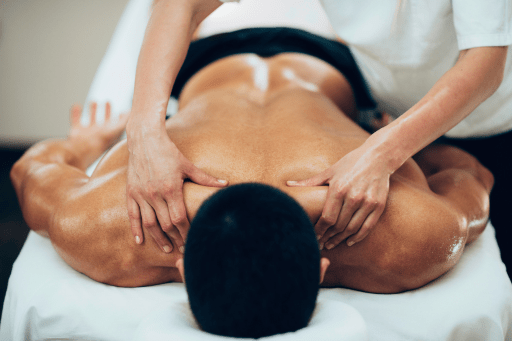
Deep tissue massage is a more therapeutic approach that focuses on relieving chronic muscle tension and pain. Rather than surface-level relaxation, it targets deeper layers of muscle and connective tissue (fascia).
Techniques Used
- Slow, controlled strokes
- Deep finger, knuckle, or elbow pressure
- Trigger point therapy
- Myofascial release techniques
Pressure Level
- Moderate to strong
- Intentionally firm to reach deeper structures
Therapeutic Focus
- Chronic pain and stiffness
- Muscle knots and adhesions
- Sports injuries and overuse
- Postural imbalances
Deep tissue massage is commonly chosen by athletes, desk workers with persistent tension, and individuals managing long-term musculoskeletal issues.
Deep Tissue Massage vs Swedish Massage: Key Differences Explained
| Deep Tissue Massage vs Swedish Massage | ||
|---|---|---|
| Factor | Swedish Massage | Deep Tissue Massage |
| Pressure | Light to moderate | Moderate to strong |
| Techniques | Flowing, rhythmic strokes | Slow, deep, targeted pressure |
| Focus | Relaxation and circulation | Pain relief and muscle repair |
| Best For | Stress, anxiety, beginners | Chronic pain, injuries, athletes |
| After Effects | Calm, relaxed, refreshed | Possible soreness, improved mobility |
This comparison highlights the core Swedish vs deep tissue differences, making it easier to choose the right treatment for your needs.
Benefits of Each Massage Type
Discover how Swedish and deep tissue massage each support relaxation, pain relief, and overall wellness.
Swedish Massage Benefits
- Reduces stress and anxiety
- Enhances relaxation and sleep quality
- Improves circulation and oxygen flow
- Supports nervous system balance
- Relieves mild muscle tension
Swedish massage is especially effective for mental wellness, burnout recovery, and overall relaxation.
Deep Tissue Massage Benefits
- Relieves chronic pain and stiffness
- Breaks down adhesions and muscle knots
- Aids recovery from injuries
- Improves posture and mobility
- Enhances athletic performance and recovery
When comparing deep tissue massage benefits vs Swedish massage benefits, deep tissue stands out for pain management and rehabilitation.
Who Should Choose Which Massage?
Your goals play a key role in deciding between Swedish massage vs deep tissue massage.
Choose Swedish Massage If You:
- Want deep relaxation and stress relief
- Are new to massage therapy
- Experience anxiety, burnout, or sleep issues
- Prefer gentler pressure
Example:
Office professionals experiencing mental fatigue or individuals with anxiety benefit greatly from Swedish massage.
Choose Deep Tissue Massage If You:
- Have chronic neck, back, or shoulder pain
- Experience muscle stiffness or limited mobility
- Are physically active or athletic
- Deal with posture-related discomfort
Example:
Athletes with muscle tightness or desk workers with long-standing neck and shoulder pain often see better results with deep tissue therapy.
Risks & Contraindications
While massage therapy is generally safe, it’s important to consider individual health conditions.
Deep Tissue Massage Considerations
- Temporary soreness or bruising
- Not recommended for acute inflammation or recent injuries
- Caution for individuals with blood disorders, osteoporosis, or circulation issues
General Precautions
- Pregnancy
- Recent surgeries
- Chronic medical conditions
Always consult a trained Registered Massage Therapist (RMT) who can assess your needs and adjust techniques safely.
Conclusion
Understanding the difference between deep tissue massage vs Swedish massage allows you to choose a treatment that aligns with your body’s needs. Swedish massage promotes relaxation and stress relief, while deep tissue massage targets chronic pain, tension, and mobility issues.
At Mankind Rehab Centre, our experienced Registered Massage Therapists tailor every session to your goals—whether you’re seeking relaxation, recovery, or long-term pain relief. Book your massage today and experience the benefits of personalized care.
Author Bio
Neha is a dedicated healthcare and wellness writer who creates informative, reader-focused content on massage therapy, pain management, rehabilitation, and overall well-being. Through her work with Mankind Rehab Centre, she shares clear and practical insights into therapeutic massage techniques, their benefits, appropriate uses, and important precautions, helping readers better understand their treatment options and make informed wellness decisions. Her content emphasizes personalized care and the importance of consulting qualified healthcare professionals for individual needs.
Frequently Asked Questions
Is deep tissue massage painful?
Deep tissue massage may feel intense at times, but it should not be painful. Any discomfort is temporary and helps release deep muscle tension.
Which massage is better for chronic back pain?
Deep tissue massage is usually better for chronic back pain as it targets deeper muscle layers, relieves tightness, and improves mobility over time.
Can I switch between Swedish and deep tissue?
Yes, you can switch between Swedish and deep tissue massage depending on your goals, comfort level, and whether you need relaxation or pain relief.
Is soreness normal after a deep tissue massage?
Mild soreness after deep tissue massage is normal and usually subsides within 24 to 48 hours as muscles heal and tension releases.
Which massage is best for beginners?
Swedish massage is best for beginners because it uses gentle to moderate pressure, promotes relaxation, and helps the body adjust to massage therapy.
How long should massage sessions last?
Massage sessions typically last 60 to 90 minutes, depending on treatment goals, muscle condition, and whether relaxation or therapeutic work is needed.
Is Swedish massage good for anxiety?
Yes, Swedish massage is excellent for anxiety as it calms the nervous system, reduces stress hormones, and promotes relaxation and mental well-being.
Who should avoid deep tissue massage?
People with certain medical conditions, recent injuries, blood disorders, or pregnancy should consult a healthcare professional before receiving a deep tissue massage.