What is Pregnancy Massage and Its Benefits?
Pregnancy brings miraculous changes – but also unique challenges. From achy muscles to restless nights and emotional tides, expectant mothers often feel stretched beyond comfort. A gentle pregnancy massage is a way to soothe these transformations. By combining expert touch with prenatal massage techniques, moms-to-be gain relief for body, mind, and spirit – while fostering a profound bond with their growing baby. Let’s explore the powerful pregnancy massage benefits.
Top 10 Pregnancy Massage Benefits
A massage for pregnant women goes beyond pampering – it delivers targeted relief and wellness during a time of tremendous change. Here are the top ten advantages each mom deserves:
1. Reduces Back and Joint Pain
The added weight and shifting center of gravity strain the lower back, hips, and pelvis. A prenatal massage therapist eases tension in these areas, aligns posture, and lubricates joints – all lending welcome pain relief and improved mobility.
2. Eases Muscle Tension
As muscles stretch and compensate for growing curves, tension builds. Massage techniques like gentle kneading and myofascial release help relax tight bands, ease cramps, and restore fluid motion from shoulders to ankles.
3. Improves Sleep Quality
Restlessness and nightly discomfort are common. Massage relaxes the nervous system, reduces cortisol, and enhances circulation – creating ideal conditions for deeper, more restorative sleep throughout pregnancy.
4. Enhances Circulation
Pregnancy increases blood volume, but swelling and sluggish circulation create discomfort. Taking the help of a prenatal massage therapist boosts venous and lymphatic flow, reducing pressure on the circulatory system and supporting healthy blood and nutrient delivery.
5. Reduces Swelling (Edema)
Puffy hands, feet, and ankles are common. Gentle lymphatic drainage massage gently encourages excess fluid to leave tissues, relieving swelling without harsh diuretics.
6. Lowers Stress and Anxiety
The next in the list of pregnancy massage benefits is reducing stress and anxiety. Hormonal surges and life changes can amplify worry. Massage induces the release of serotonin and dopamine, which ease anxiety and depression while signaling the nervous system to relax and reset.
7. Stabilizes Hormone Levels
Regular massage supports balanced levels of stress hormones like cortisol and increases relaxation hormones, creating a happier, healthier pregnancy experience for both mother and baby.
8. Supports Lymphatic Drainage
Pregnancy slows lymph flow, which leads to fluid retention. Massage activates the lymphatic network, boosting immune function, clearing waste from tissues, and minimizing swelling-related discomfort.
9. Promotes Connection with Baby
A nurturing massage session becomes devoted time – a chance to slow down, tune into the body, and bond with the baby through gentle touch, awareness, and mindfulness.
10. May Ease Labor (with Caution)
Preliminary studies suggest regular prenatal massage may shorten labor duration, reduce pain perception, and lower the need for analgesics. While results vary, massage can indirectly support labor readiness through relaxation and balanced hormones.
Choosing the Right Massage Therapist
Always choose a licensed and experienced Registered Prenatal Massage Therapist. Proper training ensures safe positioning, appropriate techniques, and awareness of contraindications – from high-risk pregnancies to gestational diabetes. Look for credentials and experience in prenatal care. Our therapists at Mankind Rehab Center are thoroughly trained to provide effective, pregnancy-safe touch in a comfortable, trusting environment.
Types of Pregnancy Massage
The approach of the massage can make all the difference. Here’s an overview of popular massage styles for expecting moms –
Prenatal Massage
A full-body experience adjusted for pregnancy – safer positioning, lighter pressure, and soothing techniques such as:
Swedish Massage
A Swedish massage is a gentle, relaxing massage that promotes circulation and relaxation. It helps alleviate common pregnancy discomforts like backaches, stiff neck, and leg cramps. By improving blood flow, Swedish massage enhances oxygen delivery to both mother and baby.
Deep Tissue Massage
Deep tissue massage is a deeper, more intense massage that targets specific areas of tension. While used sparingly during pregnancy, it can be helpful for chronic muscle stiffness. Deep tissue massage is especially useful in later trimesters when posture shifts strain the musculoskeletal system.
Myofascial Release
It is a technique that targets the connective tissue surrounding muscles. It releases tension and restrictions in the fascia caused by weight gain and postural changes. It is ideal for relieving restrictions in the hips, pelvis, and rib cage – common areas of tightness during pregnancy.
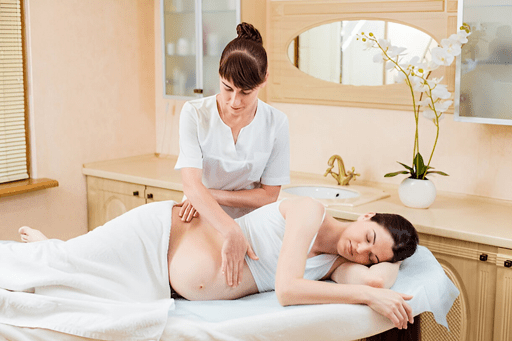
Side-Lying massage
A type of massage performed while lying on your side, which is safer and more comfortable during pregnancy. This position supports the belly and reduces pressure on the lower back and major blood vessels.
Lymphatic Drainage Massage
Lymphatic Drainage Massage is a gentle, light-touch massage that promotes lymphatic drainage and reduces swelling. This is particularly helpful in alleviating fluid retention in the legs, feet, and hands. Lymphatic massage boosts the immune system and supports detoxification during pregnancy.
Postnatal/Postpartum Massage
Once the baby arrives, recovery takes center stage. Postpartum massage supports returning to pre-pregnancy posture, easing lactation issues, healing abdominal muscles, and relieving back and shoulder tension in new moms.
Important Considerations
Before turning on relaxation mode, keep these essentials in mind:
- Safety Comes First: Discuss your medical history (e.g., hypertension, preeclampsia, or high-risk pregnancy) with your therapist to customize a safe treatment.
- Choose a Qualified Therapist: Only certified RMTs or prenatal massage specialists should provide treatment during pregnancy.
- Avoid Certain Areas: Direct deep pressure on the abdomen or deep veins should be avoided, especially in early pregnancy.
Conclusion
Pregnancy massage benefits are immense it is a wellness intervention that reduces pain, calms the mind, alleviates swelling, and nurtures a connection with the baby. With the right prenatal massage therapist and safe techniques, it becomes a powerful support system throughout pregnancy.
Elevate your prenatal care with regular massage sessions and enjoy the profound benefits for both mom and little one. Book your massage session today at Mankind Rehab Centre and experience nurturing support for this beautiful journey.
About Neha
Neha is a Registered Massage Therapist (RMT) registered with the College of Massage Therapists of Ontario. She is dedicated to providing personalized massage therapy that supports comfort, relaxation, mobility, and overall well-being throughout different stages of care.
With additional training in cupping therapy and hot stone massage, Neha uses specialized techniques tailored to each client’s needs and treatment goals. Her patient-focused approach emphasizes safe, comfortable, and individualized care, helping clients manage muscle tension, stress, and everyday physical discomfort while promoting relaxation and healthy movement.
Frequently Asked Questions
Is it safe to get a massage during pregnancy?
Yes, it is generally safe to get a massage during pregnancy, especially after the first trimester. However, it should be performed by a trained prenatal massage therapist who understands the appropriate techniques and pressure points.
When can I start getting massages during pregnancy?
Most experts recommend starting pregnancy massage after the first trimester (after 12 weeks), as the risk of miscarriage is higher during the early stages. Always consult your doctor before beginning massage therapy.
Do I need a special therapist for a pregnancy massage?
Yes, you should choose a certified prenatal massage therapist who is trained in safe techniques for pregnant women. They understand how to position and treat your body comfortably and safely throughout the pregnancy.
How often should I get a pregnancy massage?
Frequency depends on your needs and your doctor’s advice. Many women experience pregnancy massage benefits from monthly massages in the second trimester and biweekly or weekly sessions as they approach their due date.
Will a massage harm the baby?
When done by a qualified prenatal massage therapist using proper techniques, pregnancy massage is safe and will not harm the baby. In fact, it can improve maternal well-being, which benefits the baby as well.