What is Reflexology? Benefits, Techniques & How It Works
Feeling run-down, stressed, or out of sync? Sometimes, the answers to better health lie right at your feet—literally. We are talking about reflexology. Now, what is reflexology? It is an age-old healing practice that uses pressure points on the feet, hands, and ears to help bring balance and relief to the entire body. It’s not just about soothing tired soles; it’s about tapping into the body’s hidden map to support everything from tension relief to improved sleep.
With just the right touch, reflexology awakens your internal systems, encourages healing, and leaves you feeling lighter—physically and mentally. Curious how a simple foot massage can do all that? Let’s dive into what reflexology is and why so many are turning to it for natural wellness.
What is Reflexology?
Reflexology is a non-invasive, holistic therapy that involves applying pressure to specific points on the feet, hands, or ears to stimulate the body’s natural healing processes. This ancient practice is based on the idea that these pressure points correspond to different organs and systems in the body, and by applying gentle pressure, reflexologists can help restore balance and promote well-being. Reflexology is not a massage but rather a unique technique that aims to stimulate the body’s energy pathways.
How Does Reflexology Work?
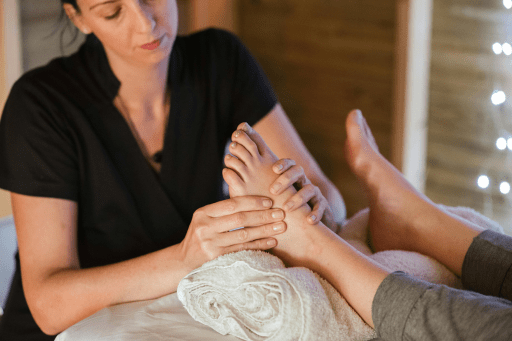
The body is divided into reflex zones, which are believed to correspond to specific organs and systems. When a reflexologist applies pressure to a particular point, it sends signals to the nervous system, promoting relaxation and healing. This nerve stimulation can help to reduce stress, improve circulation, and even alleviate pain. By targeting specific reflex points, reflexologists can help restore balance to the body’s energy pathways, promoting overall well-being.
Key Benefits of Reflexology
Reflexology therapy offers a range of benefits that can enhance your overall well-being. Some of the key reflexology benefits include –
Stress & Anxiety Reduction
Reflexology is a powerful tool for reducing stress and anxiety. By promoting relaxation and calming the nervous system, reflexology can help to alleviate symptoms of stress, such as insomnia, fatigue, and mood swings. Regular sessions can even help to reduce anxiety and promote a sense of calm.
Improved Circulation
Reflexology can help to improve blood flow and circulation, which is essential for delivering oxygen and nutrients to the body’s cells. By stimulating the reflex points, reflexologists can help to improve circulation, reduce inflammation and promoting healing.
Pain Relief
The next in the list of reflexology benefits is pain relief. Foot reflexology therapy is particularly effective for tension headaches, migraines, and lower back pain caused by muscle tightness or poor posture. Regular sessions may also reduce arthritis discomfort and sciatica symptoms.
Enhanced Relaxation & Sleep
Struggling with insomnia or restless nights? Reflexology promotes deep relaxation, helping to regulate sleep patterns. Many clients report falling asleep faster and waking up more refreshed after a session.
Supports Detoxification
Reflexology can aid the body’s natural detox process by stimulating the lymphatic system and encouraging the removal of waste and toxins. This process contributes to increased energy, clearer skin, and a stronger immune system.
What to Expect in a Reflexology Session?
The things to expect from a reflexology session are –
Initial Consultation
In the beginning of the session, your reflexologist will discuss your health history and any specific concerns or issues you may have. This is an opportunity to tailor the session to your individual needs.
Typical Session Length
A typical reflexology session lasts between 30-60 minutes, depending on your individual needs and preferences.
Techniques Used
Reflexologists use the thumb and finger pressure to stimulate the reflex points, applying gentle but firm pressure to specific areas.
Sensations
During the session, you may experience sensations such as tingling, warmth, or relaxation as the reflex points are stimulated. These sensations are usually a sign that the reflexology therapy is working.
Types of Reflexology
There are several types of reflexology, each with its own unique benefits and techniques. Some of the most common types of reflexology include –
Foot Reflexology
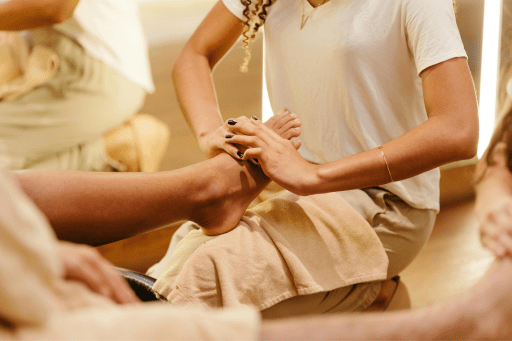
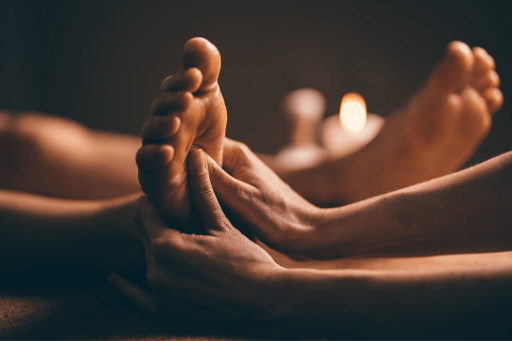
Foot reflexology is the most common type of reflexology and involves applying pressure to specific points on the feet. This can be an effective way to promote relaxation and well-being and can even help to alleviate symptoms of stress and anxiety.
Hand Reflexology
Hand reflexology is a convenient alternative to foot reflexology, involving applying pressure to specific points on the hands. This can be a great option for those who have foot injuries or prefer a more accessible approach.
Ear Reflexology
Ear reflexology involves applying pressure to specific points on the ears, which are believed to correspond to different organs and systems in the body. This type of reflexology can be particularly effective for promoting relaxation and reducing stress.
Conclusion
Reflexology is more than just a relaxing foot rub—it’s a thoughtful and scientifically supported therapy that taps into the body’s innate ability to heal. From reducing stress and enhancing sleep to boosting circulation and aiding detox, reflexology delivers a well-rounded approach to wellness.
So why not give it a try? Book your reflexology session today with Mankind Rehab Centre and experience the benefits of reflexology for yourself. Visit Mankind Rehab Centre to schedule your appointment and take the first step towards a more balanced and relaxed you. Book your Reflexology session today!
Frequently Asked Questions
Can reflexology help with migraines?
Yes, reflexology may help reduce migraine frequency and intensity by targeting pressure points linked to head and neck tension. Many find relief through regular sessions, though results vary per individual.
Is Reflexology Safe?
Generally, yes—when performed by a trained practitioner. However, those with foot injuries, blood clots, or pregnancy should consult a doctor first.
Does reflexology hurt?
It shouldn’t be painful, though some points may feel tender if tension or imbalances exist. Discomfort should fade quickly, leaving relaxation.
Can reflexology lower blood pressure?
Studies suggest it may help by promoting relaxation and improving circulation, but it shouldn’t replace medical treatment for hypertension.
How many sessions are needed?
For chronic issues, 4-6 weekly sessions are typical, while occasional relaxation may only need 1-2 visits. Your reflexologist will personalize a plan.
Can reflexology cure diseases?
No—it’s a complementary therapy, not a cure. It supports wellness by easing symptoms and improving body function alongside medical care.
What’s the difference between reflexology and massage?
Massage works muscles for relaxation; reflexology targets nerve points to influence organs/systems. No oils are used, and sessions focus on feet, hands, or ears.