How to Strengthen Pelvic Muscles: A Complete Guide for Everyone
Your pelvic floor is a powerful yet often overlooked group of muscles. Think of it as a supportive hammock that stretches across the base of your pelvis, holding up vital organs like the bladder, bowel, and uterus or prostate. These muscles play a central role in continence, posture, sexual function, and overall core stability.
But like any muscle group, the pelvic floor can weaken over time due to pregnancy, childbirth, aging, obesity, or even prolonged sitting. So, what is the good news here? With the right pelvic floor exercises, you can strengthen your pelvic muscles to prevent leaks, improve posture, boost sexual health, and ease transitions related to pregnancy or aging.
Let’s explore how to strengthen pelvic muscles and care for your pelvic floor.
Understanding Your Pelvic Muscles
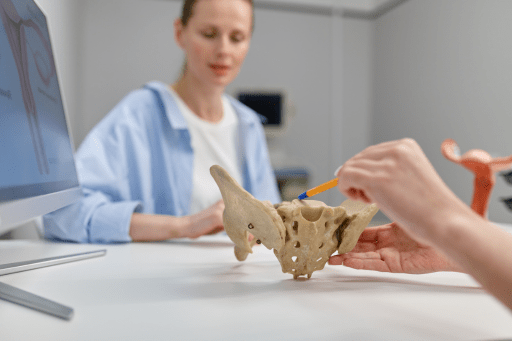
Your pelvic floor is essentially a hammock of muscles that stretches from your pubic bone in the front to your tailbone in the back. This hammock supports the bladder, bowel, and reproductive organs, keeping them in the right position.
How to Locate Your Pelvic Floor?
The easiest way to find your pelvic floor muscles is to try stopping your urine flow mid-stream, just once, for awareness. Those are the muscles you’ll be working on. (Important: don’t make this a regular exercise, as it can interfere with normal bladder function.)
Signs of Weak Pelvic Muscles
- Leaking urine when coughing, sneezing, or laughing
- A feeling of heaviness or bulging (pelvic organ prolapse)
- Lower back pain or poor posture
- Difficulty controlling gas or bowel movements
- If you notice any of these signs, it’s time to give your pelvic floor some attention.
How to Strengthen Pelvic Muscles with Exercises?
The best-known way to target these muscles is through pelvic floor exercises, particularly Kegel exercises. Let’s know how to get started –
Classic Kegel Exercises
- Contract your pelvic floor muscles as if you’re stopping urine flow.
- Hold for 3–5 seconds.
- Release slowly.
- Repeat 10–15 times, two to three times daily.
Progression: Work up to holding for 10 seconds at a time.
Avoid mistakes: Don’t hold your breath, tighten your abs, or clench your thighs or buttocks. The effort should stay focused on the pelvic floor.
Advanced Techniques
Elevator Method: Imagine your pelvic muscles lifting one floor at a time. Slowly contract in stages, then release gradually.
Quick Flicks: Do short, fast contractions to train your reflex response (helpful when sneezing or coughing).
Functional Strengthening
- Kegels work best when combined with full-body moves that engage the core:
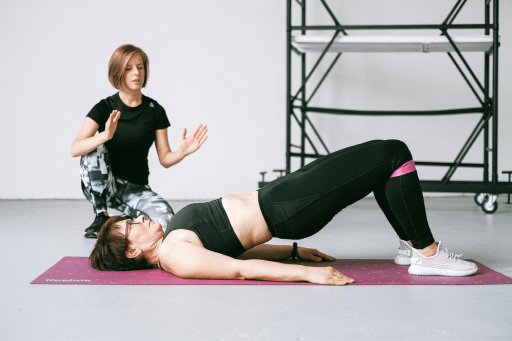
- Bridge Pose: Lie on your back, knees bent. Lift your hips while tightening the pelvic floor.
- Squats: Perform bodyweight squats while gently contracting your pelvic muscles.
- Pelvic Tilts: Rock your pelvis back and forth while engaging the floor.
- Standing Kegels: Practice contractions while standing or walking to prepare for real-life situations.
Don’t Forget Relaxation
Strengthening is an important part of pelvic floor exercises, but there are times when people actually overtighten their pelvic floor muscles. As a result, they feel pain and discomfort. Therefore, relaxation is just as essential.
Breathing Exercises
Diaphragmatic Breathing: Place one hand on your chest and one on your belly. Inhale deeply so your belly rises, then exhale fully. This helps release pelvic tension.
Stretching Moves
Happy Baby Pose: Lie on your back, hold your feet, and gently pull your knees toward your chest.
Butterfly Stretch: Sit with feet together and knees apart, leaning forward slightly.
Hip Flexor Release: Kneel on one knee, gently pressing hips forward.
These stretches keep the pelvic floor flexible and balanced.
Lifestyle Habits That Support Pelvic Health
Doing just pelvic floor exercises isn’t enough if you don’t follow good daily habits. Because it is said that daily habits either support or weaken your muscles.
Maintain a Healthy Weight
Extra body weight puts more pressure on your pelvic floor. Even modest weight loss can significantly reduce leaks and strain.
Limit Bladder Irritants
Drinks like coffee, tea, soda, and citrus juices may increase urgency or leakage. Opt for water or herbal teas to keep the bladder calm.
Avoid Straining
Whether lifting heavy objects or straining on the toilet, pressure can weaken pelvic muscles. Bend your knees when lifting, and eat fiber-rich foods to avoid constipation.
Stay Active
Low-impact activities like walking, yoga, and Pilates keep your core and pelvic muscles strong without adding unnecessary strain.
When to Seek Professional Help
Sometimes, things don’t go as you plan. Seek professional help if –
- Leakage or pain persists despite consistent Kegels.
- You experience symptoms of prolapse (a bulge in the vaginal or rectal area).
- Pelvic pain interferes with your quality of life.
A pelvic floor physiotherapist in Brampton can provide personalized guidance, check if you’re doing exercises correctly, and recommend advanced treatments like biofeedback or electrical stimulation.
Conclusion
Strong pelvic muscles are the foundation of confidence, comfort, and control, and are a health bonus. From better bladder function to improved posture, sexual health, and core stability, the benefits are life-changing.
Remember, results come with consistency. A few minutes of daily practice and mindful habits can strengthen your pelvic floor for the long term.
If you are unsure about the techniques to follow while doing pelvic floor exercises, don’t hesitate to seek professional help. The experienced team at Mankind Rehab Centre is ready to address your unique needs and guide you with specialized pelvic floor treatments and holistic rehabilitation plans.
So, take the first step today because your pelvic health is worth it.
Frequently Asked Questions
Can men also benefit from pelvic floor exercises?
Yes! Pelvic floor exercises help men improve bladder control, support prostate health, reduce the risk of leakage, and even enhance sexual performance.
How do I know if I’m doing Kegel exercises correctly?
You should feel a gentle lifting and squeezing inside, as if you’re trying to stop urine mid-flow. Avoid tightening your abs, thighs, or glutes while doing them.
Are pelvic floor exercises safe during pregnancy?
Absolutely. In fact, they’re recommended to support the growing uterus, prevent leakage, and prepare for childbirth—just consult your doctor for guidance.
Do I need equipment to strengthen pelvic muscles?
Not at all. Most pelvic floor and Kegel exercises can be done anywhere, anytime, without equipment. However, tools like resistance balls or trainers can add variety.
What is Kegel?
Kegels are simple pelvic floor exercises where you contract, hold, and release the pelvic muscles—helping improve bladder control, core stability, and sexual health.