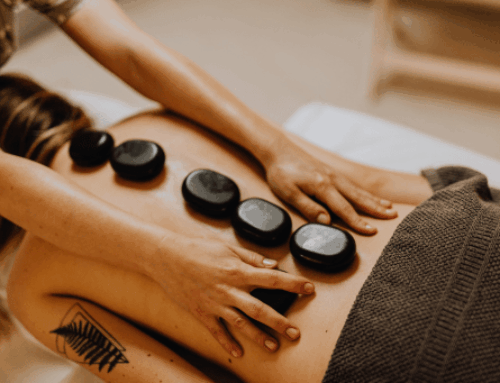
Deep Tissue Massage Benefits – Pain Relief, Mobility & Recovery
Deep tissue massage is a therapeutic technique designed to target the deeper layers of muscles and connective tissues. It helps relieve chronic pain, improve flexibility, reduce stress, and support rehabilitation from injuries. Unlike regular relaxation massages, deep tissue massage uses slow, firm pressure to release tension, break down scar tissue, and improve overall body function. Worldwide, people seek this therapy for pain management, athletic recovery, and stress relief. In Brampton, many residents choose deep tissue massage for relief from desk-job strain, long commutes, and active lifestyles. In this comprehensive guide, we’ll explore the science-backed benefits of deep tissue massage, who can benefit most, what to expect during a session, precautions, and answers to frequently asked questions.
What Is Deep Tissue Massage?
Deep tissue massage focuses on applying slow, firm pressure to the deeper muscle layers and fascia. This helps release chronic tension, improve circulation, and reduce pain. Unlike Swedish massage, which is primarily relaxing, deep tissue therapy is therapeutic and targeted. Therapists adjust the pressure based on individual needs, making it suitable for both chronic pain relief and injury rehabilitation.

Top Benefits of Deep Tissue Massage
Deep tissue massage offers a wide range of physical and mental health benefits backed by research.
Relieves Chronic Pain & Muscle Tension
This massage effectively reduces chronic pain, particularly in the back, neck, shoulders, and joints. By releasing deep muscle tension and breaking adhesions, it improves mobility and decreases discomfort.
Breaks Down Scar Tissue & Adhesions
Deep tissue massage helps soften and break down scar tissue and adhesions caused by injuries or surgery, promoting faster healing and restoring normal movement patterns.
Improves Flexibility & Range of Motion
Regular sessions can improve flexibility and joint mobility, making everyday movements easier and reducing the risk of injury for athletes or active individuals.
Enhances Circulation & Reduces Inflammation
The firm pressure stimulates blood flow and lymphatic drainage, reducing inflammation and delivering oxygen and nutrients to tissues for quicker recovery.
Reduces Stress & Supports Mental Well-Being
By calming the nervous system, deep tissue massage lowers cortisol levels and boosts serotonin and dopamine, helping relieve anxiety and improve overall mental health.
Supports Athletic Recovery & Performance
Athletes benefit from faster muscle recovery, reduced soreness, and improved performance through targeted release of tension and optimized muscle function.
Improves Posture & Movement Patterns
Releases imbalances in the muscles caused by poor posture or repetitive movements, helping improve posture and reduce strain on the body.
Who Can Benefit Most from Deep Tissue Massage?
Deep tissue massage is highly versatile and can provide relief for a wide range of individuals with different needs.
- People with chronic pain – Helps reduce persistent pain and muscle tension.
- Athletes – Supports recovery, improves performance, and prevents injuries.
- Desk-job workers – Relieves stiffness in the neck and shoulders from prolonged sitting.
- Individuals recovering from injuries – Aids rehabilitation restores mobility.
- Tailored therapy – Sessions are customized to individual needs, making it safe and effective for various lifestyles.
Deep Tissue Massage vs Other Massage Types
Understanding the differences between deep tissue massage and other massage types helps you choose the most effective therapy for your specific needs.
Deep Tissue vs Swedish Massage
- Swedish massage:
- Gentle, flowing strokes
- Focuses on relaxation and stress relief
- Improves circulation and overall well-being
- Deep tissue massage:
- Targets deeper muscle layers and fascia
- Addresses chronic pain, tension, and injuries
- Therapeutic and focused on problem areas
Deep Tissue vs Sports Massage
- Sports massage:
- Designed for athletes and active individuals
- Prevents injuries and enhances performance
- Aids recovery after training or events
- Deep tissue massage:
- Suitable for both athletes and non-athletes
- Reduces chronic pain and improves posture
- Focuses on releasing deep-seated muscle tension
When Deep Tissue Is the Best Choice
- Ideal for chronic pain sufferers
- Effective for tight, overused, or injured muscles
- Suitable for posture correction and mobility improvement
- Recommended when gentler massage types don’t provide relief
- Provides long-term improvement in flexibility, movement, and overall muscle health
What to Expect During a Deep Tissue Massage Session
Sessions typically last 45–60 minutes. Therapists use slow, firm pressure, focusing on problem areas. Mild discomfort is normal, and communication with the therapist ensures the right intensity. Aftercare includes hydration and gentle stretching to maintain benefits.
Is Deep Tissue Massage Painful?
Deep tissue massage may feel intense, especially in tight areas, but it should not be painful. Therapists adjust pressure to comfort levels. Discomfort usually indicates effective tension release, not harm.
How Often Should You Get Deep Tissue Massage?
For acute pain or injury, weekly sessions may be beneficial. For maintenance and stress relief, bi-weekly or monthly sessions are sufficient. Personalized schedules ensure optimal results.
Deep Tissue Massage Benefits for Brampton Residents
Brampton residents often face desk-job strain, long commutes, and active lifestyles, leading to chronic pain and stiffness. Deep tissue massage provided by registered therapists in Brampton at Mankind Rehab Centre offers targeted relief, improves posture, and supports recovery. Direct billing and insurance options make therapy accessible and convenient.
Precautions & When to Avoid Deep Tissue Massage
While deep tissue massage offers many therapeutic benefits, it’s important to understand when it may not be suitable. Being aware of precautions ensures you get the maximum benefit safely and avoid potential risks.
- Recent surgery: Avoid deep tissue massage until fully healed to prevent strain or complications.
- Blood clot risk: Individuals with clotting disorders or on blood-thinning medication should consult a doctor first.
- Heart conditions: Those with certain heart issues should seek medical advice before therapy.
- Pregnancy: Only proceed with approval from a healthcare provider; specialized prenatal massage is recommended.
- Severe inflammation or injury: Massage may worsen acute injuries, so consult a professional first.
- Overall guidance: Deep tissue massage is safe for most people when performed by trained, registered therapists who adjust pressure according to individual needs.
Conclusion
Deep tissue massage provides numerous benefits, from easing chronic pain and releasing muscle tension to enhancing flexibility, improving circulation, and supporting mental well-being. Whether you’re an athlete aiming for faster recovery, a desk worker dealing with posture-related discomfort, or someone seeking effective stress relief, this therapeutic massage can help improve your overall health and quality of life.
For residents in Brampton, these benefits are easily accessible at Mankind Rehab Centre, where registered massage therapists offer personalized care, direct billing, and expert guidance tailored to your needs. Regular deep tissue sessions can make a meaningful difference in your mobility, comfort, and daily performance.
Take the first step towards a healthier, pain-free body. Book your deep tissue massage appointment at Mankind Rehab Centre today and experience the transformative effects for yourself!
Frequently Asked Questions
Is deep tissue massage good for back pain?
Yes, it targets deep muscle layers to relieve tension, improve mobility, and reduce chronic back pain effectively.
How long do deep tissue massage benefits last?
Benefits may last a few days to weeks, depending on lifestyle, frequency of sessions, and specific conditions treated.
Is deep tissue massage painful?
It may feel intense in tight areas, but therapists adjust pressure, and discomfort usually indicates muscle release, not injury.
Can athletes benefit from deep tissue massage?
Absolutely, it improves recovery, reduces soreness, and enhances performance by targeting deep muscle layers.
Is deep tissue massage covered by insurance?
Many sessions are covered if performed by a registered therapist. Direct billing options are often available.
How often should I get a deep tissue massage?
Frequency depends on pain, recovery needs, and lifestyle; weekly or bi-weekly sessions are common for best results.