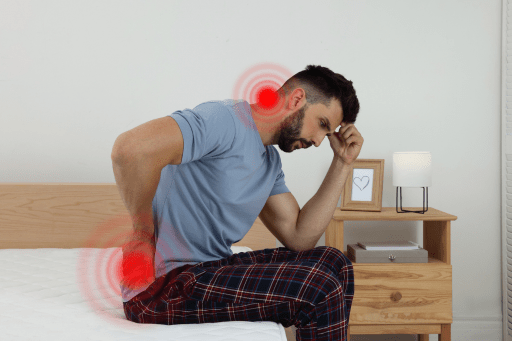
Can Physio Help Sciatica Pain? Expert Guide to Lasting Relief
Sciatica hurts in a way that stops life. A sharp, burning, sometimes electric pain shoots from your low back into your buttock and down the leg. Sitting is tough. Walking can sting. Sleep gets messy.
But you don’t have to handle all that pain alone. Physiotherapy exercises for sciatica can help you get relief. It’s safe, hands-on, and focused on the real cause of your pain, not just the symptoms. With the right plan, many people feel better within weeks. So, if you are thinking, Can physio help sciatica pain, this blog is for you.
What Is Sciatica?
Sciatica is irritation of the sciatic nerve or its nerve roots in the lower back. It’s a symptom, not a stand-alone diagnosis.

Common causes of Sciatica
- Herniated disc: Part of a disc bulges and presses on a nerve root.
- Spinal stenosis: The canal narrows and crowds the nerves.
- Nerve impingement: Bone spurs, joint irritation, or tight muscles (like the piriformis) pinch the nerve.
Typical symptoms of Sciatica
- Sharp, burning, or electric-type pain down one leg.
- Tingling, pins and needles, or numbness.
- Possible weakness in the calf, ankle, or foot.
- Pain that worsens with prolonged sitting, bending, twisting, or coughing.
- Urgent signs: new bowel/bladder changes, saddle numbness, or sudden severe weakness. If you notice these, seek medical care right away.
Why Physiotherapy Is a First-Line Treatment?
Sciatica physiotherapy treatment is non-invasive. No injections. No surgery. It uses several methods to reduce pain now and prevent it from coming back. And it goes beyond symptom relief. A physio looks at posture, mobility, strength, and movement habits. Then they treat what’s actually driving the nerve irritation – stiff joints, weak core, tight hips, or poor mechanics.
This is why physiotherapy for sciatica is often a first choice. It’s targeted, adaptable, and teaches you how to self-manage. You get tools for today and for the long run.
Physiotherapy Treatments & Techniques
Most treatment plans combine pain-calming care with active rehab. Early on, treatment lowers pain so you can move. Soon after, you’ll build strength and mobility to keep the pain away. Education ties it all together.
Passive Treatments & Modalities
- Used early to settle pain and reduce guarding.
- Manual therapy & spinal mobilization: Gentle hands-on pressure to ease stiff segments and reduce nerve sensitivity.
- Massage (deep tissue, myofascial release): Releases tight glutes, piriformis, and lumbar muscles that can compress or irritate the nerve.
- Heat/cold therapy: Heat loosens; ice calms inflammation after activity.
- TENS: A small unit that changes how your brain perceives pain, helpful in acute flares.
Manual Therapies
Hands-on techniques that restore motion and reduce nerve irritation.
- Mobilizations & joint adjustments: Improve segmental movement where joints are stuck.
- Nerve glides (neural mobilization): Gentle motions that help the sciatic nerve slide more freely through tissues.
- Dry needling: Targets trigger points to relax guarded muscles and reduce referred pain.
- Myofascial release: Frees up tight fascial layers around the hip and low back.
- Manipulation: Quick, precise input to improve joint mechanics when appropriate.
Exercise-Based Interventions
This is the engine of lasting change. These are your physiotherapy exercises for sciatica.
Strengthening Exercises –
- Core (deep abdominals, multifidus) to stabilize the spine.
- Glutes to support the pelvis and reduce strain on the lumbar segments.
- Hamstrings for balanced hip mechanics.

Stretching exercises –
- Piriformis stretch to reduce pressure near the sciatic pathway.
- Seated spinal stretch and hip flexor stretches to ease stiffness that feeds nerve irritation.
- Nerve mobilization: Guided “slider” and “tensioner” drills to improve nerve movement without flaring symptoms.
- Directional exercises (McKenzie Method): Movements (often extension or side-glide) that centralize pain from the leg back toward the back—a strong sign you’re on the right track.
Postural & Ergonomic Education
Pain often returns if habits don’t change. Your physio will teach:
- Sitting posture you can hold without strain.
- Hip-hinge mechanics for lifting, cleaning, and yard work.
- Workspace ergonomics: Chair height, lumbar support, screen level, and break timing.
- Daily pacing: How to advance activity without triggering a flare.
- This education is the glue. It makes your gains last.
What to Expect from Physiotherapy?
Recovery is not instant, but it’s often steady when you stick with the plan.
Timeline
Many people feel clear progress in 4–8 weeks. Acute cases can settle faster. Long-standing cases may need more time.
Improvements
Less leg pain, easier sitting and walking, better sleep, stronger core and hips, and more confidence moving.
Frequency
Often 1–2 sessions per week at first, then taper to every other week, then periodic maintenance or independent home programs.
Between visits
You’ll get simple sciatica pain relief exercises to do at home. These keep pain down and progress up.
Setbacks
Small flares can happen if you overdo it. Your plan will include how to calm things down and get back on track.
Benefits of Physiotherapy for Sciatica Pain
Physio doesn’t promise perfection. But it does offer a clear, practical way forward. Here’s why physical therapy for sciatica stands out –
- Effectively relieves pain, restores function, and reduces dependency on meds or injections.
- Hands-on care calms the irritated area. Movement retraining unloads the nerve. Strength work stabilizes the spine and pelvis. Put together, pain falls and function rises. Many people cut down on pain medication and avoid injections or surgery because the root problem is addressed, not just numbed.
Personalized approach—tailored plans, education, home exercises
No two cases are the same. Your plan fits your body, your work setup, and your goals. You’ll get sciatica physiotherapy treatment that adapts as you improve. Education fills the gaps: what to do on “bad days,” how to modify workouts, and which sciatica pain relief exercises to lean on when symptoms flicker.
Addresses root causes, not just symptoms
A calmer nerve is step one. Step two is making your system resilient: stronger core and glutes, better hip mobility, cleaner lifting, and sitting mechanics. That’s how you cut the chance of another flare. By treating the drivers ‘ stiff joints, weak links, and poor posture, physiotherapy for sciatica builds long-term protection.
Conclusion
So can physio help sciatica pain? Yes. It’s effective, safe, and built for long-term results. You get immediate relief strategies and a plan that fixes the cause. You learn how to move better and stay active without fear. And you leave with tools you can use anytime.
Start early. Follow the plan. Ask questions. Small steps every day beat one big effort once in a while.
If you’re ready for personal, hands-on care, the team at Mankind Rehab Center can help. We provide sciatica physiotherapy treatment that combines manual therapy, physiotherapy exercises for sciatica, and clear education. Book a visit, get a plan that fits your life, and start walking away from nerve pain, one steady session at a time. Contact us for more information.