Can Allergies Cause Swollen Lymph Nodes?
Swollen lymph nodes can be worrying, especially during allergy season. Many people wonder whether allergies alone can cause lymph node swelling or if it’s a sign of something more serious. While allergies don’t directly infect the body, they can trigger immune responses that sometimes lead to temporary lymph node enlargement.
In this guide, we’ll explain whether allergies cause swollen lymph nodes, how to tell the difference between allergies and infections, common symptoms to watch for, and when you should seek professional care.
What Are Lymph Nodes and Their Role?
Lymph nodes are small, bean-shaped glands that help filter toxins, waste, and pathogens. They hold immune cells that react when something harmful enters the body. As these cells multiply and fight off irritants, the nodes may swell.
Common locations include:
- Neck
- Jawline
- Armpits
- Groin
- Behind the ears
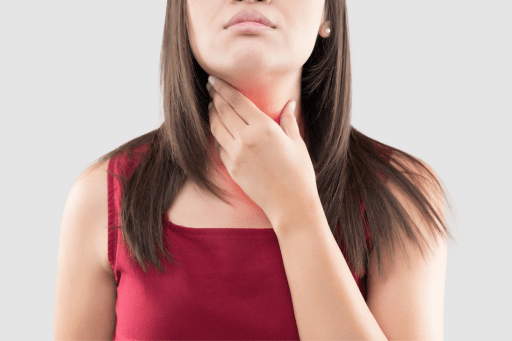
You often feel swelling in the neck because many allergies and sinus reactions affect that area.

Can Allergies Cause Swollen Lymph Nodes?
Allergies do not directly cause swollen lymph nodes, but they can indirectly lead to mild swelling. Allergic reactions activate the immune system, increasing inflammation in the nasal passages, throat, or sinuses. This immune response may cause nearby lymph nodes—especially in the neck or under the jaw—to become slightly enlarged.
However, significant or painful swelling is more commonly linked to infections, not allergies.
Allergy vs Infection: How to Tell the Difference
Swollen Lymph Nodes from Allergies
- Usually small and painless
- Occur with sneezing, itchy eyes, or congestion
- Improve once allergy symptoms are controlled
Swollen Lymph Nodes from Infection
- Often tender or painful
- May feel firm or warm
- Accompanied by fever, sore throat, or fatigue
If lymph node swelling worsens or lasts longer than two weeks, it’s important to rule out infection or other medical conditions.
How Long Do Swollen Lymph Nodes Last with Allergies?
Swollen lymph nodes caused by allergies are usually mild and temporary. When your immune system reacts to triggers like pollen, dust, or pet dander, nearby lymph nodes—especially in the neck or jaw—may become slightly enlarged or tender. This happens because your body is working harder to filter irritants and manage inflammation during an allergy flare-up.
In most cases, the swelling lasts a few days to about a week and improves as allergy symptoms settle. Staying hydrated, avoiding triggers, and using antihistamines or other allergy treatments can help reduce discomfort. However, if swelling continues for more than two weeks or worsens, consult a healthcare professional.
Signs and Symptoms of Swollen Lymph Nodes
Swollen lymph nodes can show up with several symptoms. Many overlap with allergy symptoms, especially when the sinuses are irritated.
Common signs include:
- Tenderness when you touch the nodes.
- Mild swelling in the neck, jawline, or behind the ears.
- Sore throat due to post-nasal drip or irritation.
- Congestion and blocked nasal passages.
- Post-nasal drip is causing cough or throat clearing.
- Facial pressure from sinus inflammation.
- Fatigue, especially during strong allergy flare-ups
Normal allergy-related swelling is usually mild and comes with itchy eyes, sneezing, and congestion. Concerning symptoms include fever, night sweats, hard or fixed nodes, or swelling that lasts longer than two weeks.

Causes of Swollen Lymph Nodes
Allergies are only one small cause. To support clear understanding and E-E-A-T, here are all the major reasons lymph nodes can swell:
- Viral infections (most common) – colds, flu, mono
- Bacterial infections – strep throat, infected skin sores
- Allergies – seasonal or environmental triggers
- Autoimmune disorders – rheumatoid arthritis, lupus
- Skin infections – cellulitis, infected insect bites
- Dental issues – tooth abscesses, gum disease
- Ear or sinus infections
Because causes overlap, distinguishing between an infection and allergies is important.
Types of Allergies That Can Cause Swollen Lymph Nodes
Certain allergies can increase immune system activity, which may lead to mild lymph node swelling in some individuals:
Seasonal Allergies
Pollen, grass, and weed allergies can irritate the nasal passages and sinuses, sometimes causing mild swelling of lymph nodes in the neck.
Dust and Mold Allergies
Ongoing exposure may result in persistent nasal congestion, keeping lymph nodes active for extended periods.
Pet Dander Allergies
Allergens from cats or dogs can trigger throat irritation and post-nasal drip, stimulating nearby lymph nodes.
Food Allergies
Food-related allergic reactions can affect the immune system throughout the body and may occasionally involve lymph nodes.
Skin Allergies
Conditions such as contact dermatitis or eczema may cause localized lymph node swelling near the affected skin areas.
Sinus Allergies
Chronic sinus inflammation is a common allergy-related contributor to enlarged lymph nodes in the neck.
Insect Bite Allergies
Strong localized reactions to insect bites can cause nearby lymph nodes to swell as part of the body’s immune response.
How Allergies Trigger Swollen Lymph Nodes
The process is simple:
- An allergen enters the body and triggers an immediate immune reaction.
- The immune system releases histamine, leading to localized inflammation and irritation.
- Inflamed tissues place extra pressure on nearby lymphatic pathways and nodes.
- The lymphatic system increases activity to filter allergens and cellular debris.
- Lymph nodes swell slightly as immune cells gather to manage the reaction.
If allergies are constant, such as daily dust exposure, the nodes can stay mildly enlarged for longer periods.
How To Tell if Your Swollen Lymph Nodes Are From Allergies or Infection
A quick comparison can help you see what’s causing the swelling.
Allergy-related swelling
- Swelling is usually mild and soft, appearing gradually during allergy flare-ups.
- Comes with sneezing, itchy eyes, and congestion that follow familiar allergy patterns.
- Often appears during seasonal changes or after known exposure to specific allergens.
- Does not involve fever or chills, and overall energy levels stay fairly stable.
- Improves once antihistamines or nasal sprays reduce inflammation and relieve symptoms.
Infection-related swelling
- Nodes feel larger, firmer, or painful, often worsening over a few days.
- Usually accompanied by fever, chills, or a general feeling of being unwell.
- Fatigue becomes more noticeable and may interfere with daily activities or routine.
- Swelling tends to last longer, grow in size, or spread to nearby nodes.
- Often linked to clear infection signs such as sore throat, ear pain, or sinus pressure.
These differences help you understand when to worry about swollen lymph nodes and when simple allergy care is enough.
How To Treat Swollen Lymph Nodes from Allergies
Most allergy-related swelling settles once symptoms calm down. Helpful options include:
- Antihistamines to reduce allergic reactions
- Nasal steroid sprays for congestion and sinus inflammation
- Avoiding or reducing allergen exposure wherever possible
- Warm compress on the swollen area for comfort
- Hydration to support lymphatic flow
- Rest to help the immune system recover
- Healthy habits such as balanced meals and good sleep
- Lymphatic drainage massage to support fluid movement and ease general swelling
Once allergy symptoms are under control, lymph nodes often return to normal size within a few days.
How to Prevent Allergy-Related Lymph Node Swelling
Adopting simple daily habits can help minimize allergy irritation and reduce stress on the lymphatic system:
- Avoid exposure to known allergens whenever possible.
- Use a high-quality air purifier to reduce indoor pollen, pet dander, and mold that can worsen allergy symptoms.
- Wash bedding weekly in hot water to remove allergens that accumulate in fabrics and irritate sinuses overnight.
- Shower and change clothes after outdoor activities, especially during peak pollen seasons.
- Keep windows and balcony doors closed on high-pollen days to limit indoor allergen circulation.
- Follow doctor-recommended antihistamines or nasal sprays consistently during allergy seasons to control inflammation.
These preventive measures help reduce repeated immune responses and lower the risk of lymph node swelling.
Conclusion
So, can allergies cause swollen lymph nodes? Yes—but in most cases, the swelling is mild, temporary, and linked to the body’s immune response to allergens. With proper allergy management, hydration, rest, and simple home care, symptoms usually improve on their own.
However, if lymph node swelling becomes painful, persists beyond two weeks, or is accompanied by fever or unexplained symptoms, seeking medical advice is essential. For supportive care, lymphatic wellness, and professional guidance, Mankind Rehab Centre is here to help promote comfort and recovery.
Frequently Asked Questions
Can Post-Nasal Drip Cause Swollen Lymph Nodes?
Yes, post-nasal drip from allergies or sinus inflammation can trigger an immune response, causing nearby lymph nodes in the neck or throat to become mildly swollen.
Can Contact Dermatitis Cause Swollen Lymph Nodes?
In some cases, severe contact dermatitis may cause localized lymph node swelling as the immune system reacts to skin inflammation or irritation.
How to Treat Swollen Lymph Nodes in the Neck Naturally?
Natural treatments include warm compresses, staying hydrated, gentle massage, rest, and managing underlying allergies or infections to help reduce inflammation.
Does a Swollen Lymph Node Hurt?
Swollen lymph nodes may feel tender or painful, especially when caused by infection, while allergy-related swelling is usually mild and less uncomfortable.
How Do You Know If a Lymph Node Is Swollen?
You may notice a small, soft, or slightly firm lump under the skin, often in the neck, jaw, or armpit, sometimes accompanied by tenderness.
Can Allergies Cause Swollen Lymph Nodes?
Allergies don’t directly cause lymph node swelling, but immune reactions and inflammation from allergy symptoms can lead to mild, temporary enlargement.
How Do I Check for Swollen Lymph Nodes?
Gently press your fingertips along the neck, jawline, behind ears, and underarms to feel for small lumps, tenderness, or unusual swelling.
How Long Do Swollen Lymph Nodes Last?
Swollen lymph nodes usually improve within one to two weeks; persistent swelling may indicate infection or another condition requiring medical evaluation.