Acupuncture for Weight Loss: Does It Really Work?
Interest in acupuncture for weight loss has grown rapidly in recent years, especially among people seeking natural ways to manage appetite, boost metabolism, and support healthier lifestyle habits. With questions like “Can acupuncture help with weight loss?”, “Does acupuncture work for weight loss?”, and “Can acupuncture truly support weight-loss goals?”, many people want clear, research-based answers.
This guide explains how acupuncture fits into weight-loss care, what studies show, who might benefit, and how to use it safely and effectively.
What is Acupuncture & How is it Used in Weight-Loss?
Acupuncture is a traditional Chinese medicine technique that uses very thin, sterile needles inserted into specific points on the body to balance energy flow, or Qi. Beyond traditional concepts, modern research suggests that acupuncture may influence the nervous system, hormones, appetite regulation, and inflammation.
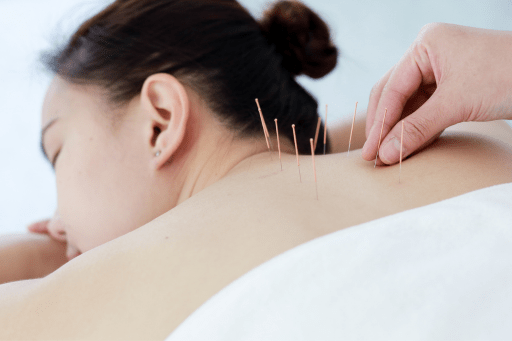
For weight loss, acupuncturists in Brampton often use:
Body Acupuncture
Needles are placed on points related to digestion, metabolism, stress reduction, and hormonal balance. These points may help regulate appetite and reduce cravings.
Auricular (Ear) Acupuncture
Ear acupuncture is commonly used in weight-loss treatments. The ear contains microsystems believed to influence hunger, stress, digestion, and reward pathways. Some studies show that ear acupuncture can reduce appetite and emotional eating when combined with lifestyle changes.
Electroacupuncture
Mild electrical stimulation is applied through needles to enhance therapeutic effects. Some research shows electroacupuncture may support metabolic function.
While acupuncture is not a magic solution, it can be an added tool within a structured weight-management plan.
What Does the Scientific Evidence Say?
Research on acupuncture and weight loss is growing, and results are encouraging—but not absolute. Studies suggest:
- Acupuncture may support weight loss when combined with diet, exercise, and lifestyle changes.
- It is not a standalone cure for obesity or rapid weight reduction.
- Some trials show improvements in appetite control, body mass index (BMI), lipid profiles, and waist circumference.
- Electroacupuncture and ear acupuncture appear particularly promising in research settings.
For example, a study published in BMJ Open Gastroenterology found that acupuncture improved metabolic health and inflammation markers in overweight individuals. Several reviews also found that people receiving acupuncture plus lifestyle support tended to lose more weight than those using lifestyle changes alone.
However, researchers agree that more high-quality, long-term studies are needed. The results are promising, but acupuncture should be viewed as a supportive therapy—not a primary treatment for weight loss.
Possible Mechanisms: How Might Acupuncture Help with Weight Loss?
Although acupuncture’s effects are still being studied, several biological mechanisms may explain why it supports weight-loss efforts.
1. Appetite Regulation
Acupuncture may influence hunger hormones such as leptin and ghrelin, helping reduce cravings and emotional eating. Some patients report feeling fuller faster or less drawn to high-sugar foods.
2. Hormonal & Metabolic Effects
Research suggests acupuncture may help regulate:
- Insulin sensitivity
- Thyroid hormones
- Cortisol (stress hormone)
- Fat metabolism
Balanced hormones can make weight-loss efforts more effective.
3. Inflammation & Adipose Tissue
Chronic inflammation is linked to weight gain and metabolic disorders. Acupuncture may help reduce inflammatory markers, supporting healthier fat metabolism and digestive function.
4. Stress Reduction
Stress contributes to overeating, cravings, and stubborn belly fat. Acupuncture activates the parasympathetic nervous system, promoting relaxation and reducing stress-related eating.
5. Enhanced Digestion
Stimulating digestive meridians may help support gut health and reduce bloating, constipation, or sluggish metabolism.
Overall, acupuncture may create a more supportive internal environment for healthier weight control.
Who Might Benefit & How to Approach It
Acupuncture may be helpful for people who:
- Struggle with emotional or stress-related eating
- Experience a hormonal imbalance affecting weight
- Have a slow metabolism or digestive issues
- Need support with cravings and appetite control
- Want a natural, non-medication-based tool
- Are you trying to build healthier habits but feel “stuck”
- Have inflammation, bloating, or water retention
- Are you seeking a complementary therapy alongside diet and exercise
It may also help people manage conditions that influence weight, such as:
- PCOS
- Hypothyroidism (with medical supervision)
- Insulin resistance
- Chronic stress
- Perimenopause or menopause
However, acupuncture should be part of a broader lifestyle plan—not a replacement for medical care, nutrition, or physical activity.
Limitations, Risks & What It Doesn’t Do
Although acupuncture is generally safe when performed by a trained professional, it’s important to set realistic expectations.
Limitations
- It does not melt fat or cause weight loss on its own.
- Results vary from person to person.
- It works best with consistent sessions and lifestyle changes.
- Evidence is promising but not conclusive.
What It Does NOT Do
- It does not replace a balanced diet or regular physical activity.
- It does not cure obesity or metabolic diseases.
- It does not guarantee a specific amount of weight loss.
Risks
- Mild soreness or bruising at needle sites
- Fatigue after the session (rare)
- Infection risk if needles are not sterile (avoided when done by licensed acupuncturists)
Always visit a qualified, experienced practitioner for safety and proper technique.
How to Make Acupuncture Part of a Weight‐loss Plan
To get the best results, acupuncture should be combined with healthy, sustainable lifestyle habits.
1. Follow a Structured Diet Plan
Choose a balanced nutrition plan that supports your goals—whole foods, high-protein meals, and reduced processed sugars. Acupuncture may help reduce cravings, making healthy eating easier.
2. Exercise Regularly
Include both cardio and strength training. Even 30 minutes of walking daily can enhance the effects of acupuncture on metabolism and mood.
3. Support Your Sleep Cycle
Poor sleep is linked to weight gain. Acupuncture can help reduce stress and improve sleep quality, which helps with appetite and energy levels.
4. Manage Stress Proactively
Use acupuncture’s calming effects to build habits like meditation, deep breathing, and mindful eating.
5. Track Your Progress
Monitor your:
- Weight
- Waist circumference
- BMI
- Energy levels
- Mood changes
- Cravings
Tracking helps you see patterns and stay motivated.
6. Stay Consistent
Many studies involve multiple sessions weekly for several weeks. Consistency helps your body respond better and sustain results.
7. Consider Time & Budget
Plan your session schedule realistically so you can stay committed without stress.
When used alongside a healthy lifestyle, acupuncture becomes a powerful support tool for long-term weight management.
Conclusion
Acupuncture for weight loss shows promising results, especially in helping with appetite control, stress management, and metabolic balance. While the evidence is not definitive, research suggests that acupuncture can be a supportive and effective complementary therapy when combined with healthy lifestyle changes.
It’s important to approach weight loss holistically—through nutrition, exercise, sleep, and mindset—while using acupuncture as an added support.
If you’re considering acupuncture for weight loss, always consult a trained practitioner to ensure safe, professional care.
Book your personalized session for acupuncture at Mankind Rehab Centre to start your weight-management journey with expert guidance.
Frequently Asked Questions
Can Acupuncture Alone Make You Lose Weight?
No. Acupuncture helps support appetite, stress, and metabolism, but it must be combined with healthy lifestyle habits for effective results.
How Many Sessions Are Needed for Weight Loss?
Most people notice benefits after 6–12 sessions, often done 1–2 times per week. Long-term consistency is key.
Is Acupuncture Safe for Everyone?
It is generally safe when performed by a licensed practitioner, but people with bleeding disorders, severe illness, or certain medical conditions should consult a doctor first.
What Types of Acupuncture Are Used for Weight Loss?
Ear acupuncture, body acupuncture, and electroacupuncture are commonly used in weight-management treatments.
How Much Weight Can I Expect to Lose?
Results vary widely. Acupuncture helps support your weight-loss efforts but does not guarantee a specific amount of weight reduction.
Does Insurance Cover Acupuncture for Weight Loss?
Coverage depends on your provider and plan. Some extended health plans may cover acupuncture services performed by licensed professionals.
How Do I Choose a Good Acupuncture Practitioner?
Look for licensed, experienced practitioners who specialize in weight management, understand lifestyle support, and maintain high safety standards.