
Deep Tissue vs Therapeutic Massage: What’s the Difference?
If you’re trying to decide between therapeutic massage vs deep tissue massage, you’re not alone. Many people assume they’re the same, but they serve different purposes and use different techniques.
Therapeutic massage is a broad, customized approach designed to improve overall wellness, reduce stress, and relieve mild to moderate pain.
Deep tissue massage, on the other hand, focuses on reaching deeper muscle layers to address chronic tension, injuries, and stubborn knots.
In this guide, we’ll break down the therapeutic vs deep tissue massage differences, benefits, pressure levels, and how to choose the right option for your needs.
What Is Therapeutic Massage?
Therapeutic massage is a goal-oriented treatment that supports both relaxation and targeted pain relief. Rather than using one fixed technique, it combines multiple methods, such as:
- Swedish massage
- Trigger point therapy
- Myofascial Release Massage
- Gentle stretching

The pressure can range from light to firm, depending on your comfort level and treatment goals.
Key Goals of Therapeutic Massage
- Promote full-body relaxation
- Reduce muscle tension
- Improve circulation
- Enhance flexibility and mobility
- Support stress management
Because it’s highly adaptable, therapeutic massage is ideal for:
- First-time massage clients
- Stress and anxiety relief
- Mild to moderate chronic pain
- Desk-related stiffness
- General wellness maintenance
If you’re looking for balanced relief without intense pressure, the benefits of therapeutic massage make it a great starting point.
What Is Deep Tissue Massage?
Deep tissue massage is a more focused and intensive technique that targets deeper layers of muscle and connective tissue.
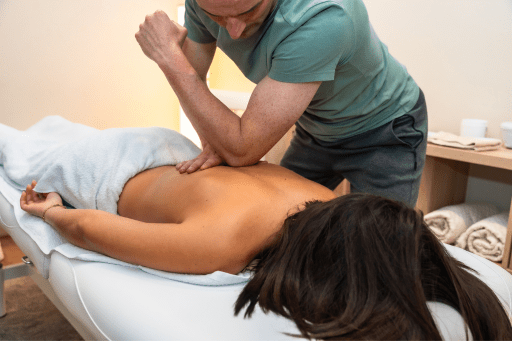
Therapists use:
- Slow, deliberate strokes
- Sustained firm pressure
- Cross-fiber friction techniques
This helps release chronic muscle tension, adhesions, and scar tissue.
It’s important to note that “deep” refers to depth, not pain. While the pressure is stronger than therapeutic massage, it should never feel unbearable. Communication with your therapist is key.
Best For
- Chronic neck, shoulder, or back pain
- Muscle knots and tight bands
- Sports injuries and recovery
- Postural imbalances
- Limited mobility from deep tension
Because the work is more intensive, you may need hydration, light stretching, and rest after your session.
Key Differences: Therapeutic vs Deep Tissue
Here’s a clear comparison of deep tissue vs therapeutic massage:
| Feature | Therapeutic Massage | Deep Tissue Massage |
|---|---|---|
| Purpose | Relaxation + targeted relief | Chronic pain & deep tension |
| Pressure | Light to firm (customizable) | Firm to very firm |
| Techniques | Swedish, myofascial, trigger point | Slow strokes, deep pressure |
| Focus Area | Whole body or specific areas | Deep muscle layers & fascia |
| Pain Level | Generally comfortable | Intense but manageable |
| Best For | Stress, mild pain, wellness | Injuries, knots, chronic pain |
| Recovery Time | Minimal | May need rest & hydration |
Benefits of Each Type
Therapeutic Massage Benefits
- The therapeutic massage benefits go beyond relaxation — they support both physical recovery and mental well-being.
- Reduces stress and anxiety
- Improves blood circulation
- Enhances flexibility and range of motion
- Supports better sleep quality
- Relieves mild to moderate muscle pain
- Promotes overall wellness
- Lowers muscle tension caused by desk work or daily stress
- Supports lymphatic drainage and detoxification
- Reduces tension headaches
- Improves mental clarity and focus
Therapeutic massage works by calming the nervous system while gently addressing muscle tightness. This makes it especially effective for individuals experiencing stress-related body pain, fatigue, or burnout.
Because pressure levels are adjustable, it provides consistent relief without overwhelming the body, making it ideal for regular maintenance sessions.
Deep Tissue Massage Pain Relief & Benefits
Deep tissue work offers powerful physical outcomes, especially for long-standing muscular issues.
- Chronic pain relief
- Breaks down scar tissue
- Reduces muscle adhesions
- Improves posture
- Supports injury recovery
- Helps athletes recover from strain
- Releases deeply held muscle knots
- Restores mobility in restricted joints
- Improves alignment caused by muscular imbalances
- Reduces inflammation linked to tight connective tissue
Deep tissue massage pain relief is particularly beneficial for individuals dealing with repetitive strain, sports injuries, postural problems, or physically demanding jobs.
By targeting deeper muscle fibers and fascia, it addresses the root cause of tension rather than just surface-level discomfort. While it may involve stronger pressure, the long-term benefits often include improved movement, reduced stiffness, and greater muscular balance.
How to Choose Massage: Practical Tips
Still unsure which to book? Use these simple guidelines:
- For relaxation and stress relief → Choose Therapeutic Massage
- For chronic pain or deep muscle tension → Choose Deep Tissue Massage
- For general wellness with mild soreness → Therapeutic is ideal
- For sports recovery or injury rehab → Deep Tissue works best
Consider Your Pain Level
If your discomfort feels dull, stress-related, or caused by long hours of sitting, therapeutic massage is usually enough to restore comfort and mobility.
If your pain feels sharp, tight, persistent, or localized in one area (like the neck, lower back, or shoulders), deep tissue massage may provide more effective relief.
Think About Your Pressure Preference
Your comfort matters.
- If you prefer gentle to moderate pressure and want to leave feeling relaxed, therapeutic massage is a better fit.
- If you can tolerate firmer pressure and want to “work out” deep knots, deep tissue may be more beneficial.
Remember, deeper pressure doesn’t always mean better results — the right pressure is the one your body responds to positively.
Consider Your Recovery Time
Therapeutic massage typically requires little to no recovery time. You can return to work or daily activities immediately.
Deep tissue massage may cause mild soreness for 24–48 hours, especially if it’s your first session or you have significant muscle tightness. If you have an important event or intense workout planned, schedule accordingly.
Evaluate Your Goals
Ask yourself:
- Am I looking to relax or to correct a long-standing issue?
- Do I want a calming experience or a corrective one?
- Is this for maintenance or injury recovery?
Your answers will usually point clearly toward one option.
When in Doubt — Ask for a Customized Session
You don’t always have to choose strictly one or the other. Many therapists blend therapeutic and deep tissue techniques within the same session to match your needs.
A brief consultation before your appointment can help create a personalized treatment plan based on your pain history, activity level, and stress levels.
Questions to Ask Your Therapist
Before your session, consider asking:
- What pressure level do you recommend for my condition?
- Can we combine therapeutic and deep tissue techniques?
- How many sessions will I need for pain relief?
- What aftercare should I follow?
A professional consultation ensures you get a customized treatment plan.
What to Expect During Your Session
Before the Massage
- Brief health and pain assessment
- Discussion of goals and pressure preference
During the Session
- Gradual warm-up of muscles
- Communication about pressure and comfort
- Focus on problem areas if needed
Common Sensations
- Therapeutic massage: soothing and relaxing
- Deep tissue massage: intense but relieving
Aftercare Tips
- Drink plenty of water
- Do light stretching
- Avoid heavy workouts for 24 hours after deep tissue work
- Expect mild soreness (especially after deep tissue)
Conclusion
Understanding the therapeutic vs deep tissue massage differences helps you choose the right treatment for your body and goals.
- Choose therapeutic massage for relaxation, stress relief, and overall wellness.
- Choose deep tissue massage for chronic pain, muscle knots, and injury recovery.
At Mankind Rehab Centre, our experienced therapists customize every session to match your comfort level and treatment needs. Whether you need gentle relaxation or targeted deep tissue work, we’re here to help you move, feel, and live better.
Book your personalized massage today and start your recovery journey.
Author Bio
Neha is a healthcare and wellness writer who creates informative, practical content on massage therapy, pain management, recovery, and overall well-being. Through her work with Mankind Rehab Centre, she provides clear insights into different massage techniques, including therapeutic and deep tissue massage, helping readers understand their differences, benefits, pressure levels, and appropriate uses. Her content guides readers in choosing treatments based on their individual goals, comfort, pain levels, and recovery needs while emphasizing the importance of personalized care from qualified massage therapists.