Lymphatic Drainage Self Massage: How to Do It Safely at Home
You don’t always need medication for mild, everyday swelling. Sometimes gently guiding lymph fluid in the right direction is enough to help you feel more comfortable. You can do this yourself with simple lymphatic drainage movements.
The lymphatic system quietly supports your health every day. It moves fluid, filters waste, and helps your body manage swelling, illness, and inflammation. When this system slows down, you may notice heaviness, puffiness, or fluid retention. Lymphatic drainage self-massage is a simple way to support this natural flow without special tools or deep pressure. It uses light, sweeping movements on the surface of the skin to help guide fluid toward lymph nodes, where it’s filtered before returning to your bloodstream.
It’s gentle enough to try at home and can be adapted to different needs – whether you’re dealing with seasonal allergies, a tired-looking face, or post-surgery fluid buildup (only with your care provider’s approval).
This guide covers how lymphatic drainage works, how to perform it yourself, and when to see a trained professional instead.
How Lymphatic Drainage Self-Massage Works
Lymph fluid normally moves through one‑way vessels with the help of breathing, body movement, and tiny valves that keep the flow going toward the heart. When you perform lymphatic drainage self-massage, you use light, stretching motions on the skin to gently nudge this fluid toward lymph node clusters, where it can be filtered and then returned to your bloodstream.
Lymph nodes around the neck, underarms, and groin act as checkpoints, where immune cells remove germs and damaged cells before the fluid recirculates. Because these structures sit close to the surface, self-lymphatic massage uses very light pressure for lymph node massage, just enough to move the skin without pressing into the muscles underneath. That’s the key difference between lymphatic drainage and deeper massage techniques.
Benefits of Lymphatic Drainage Self-Massage
Lymphatic drainage at home offers several practical benefits. These results can be especially noticeable when done consistently.
May reduce swelling and puffiness
Gentle movements can help shift excess fluid out of mildly swollen areas, easing discomfort in the face, ankles, or hands. Some people recovering from minor injury feel relief as fluid redistributes – always follow your provider’s guidance if you’re recovering from surgery.
May help with sinus pressure and allergies
Gently clearing fluid around the face and neck may ease a feeling of nasal congestion or facial heaviness during seasonal allergy flare-ups.
Supports the lymphatic system’s natural function
The lymphatic system is part of how your body clears waste and supports immune function. Gently stimulating these pathways may support this natural process, though self-massage does not “detox” the body in a way that differs from your body’s own ongoing filtration.
May support circulation
Although gentle, this technique encourages fluid movement, which may support overall circulation and reduce a feeling of stagnation.
May ease post-surgery puffiness (with medical approval)
With your surgeon’s or care provider’s approval, light drainage techniques can sometimes help minimize fluid buildup after certain procedures without disturbing healing tissue. Always get sign-off from your care team before starting post-surgical self-massage.
Supports relaxation
Slow, intentional strokes can have a calming effect. Many people use this time as a grounding, low-effort routine at home.
Step-By-Step Guide: How To Do Lymphatic Drainage Self-Massage at Home
These steps outline a simple, safe routine you can use anytime you feel heavy, bloated, or tense. This DIY lymphatic drainage massage approach focuses on slow, gentle, and consistent motion.
1. Preparing for self-massage
- Wash your hands and remove makeup or lotions.
- Sit somewhere comfortable with your back supported.
- Take a few slow breaths to relax your shoulders.
- Drink a small glass of water before starting.
Light breathing prepares your body for better fluid movement.
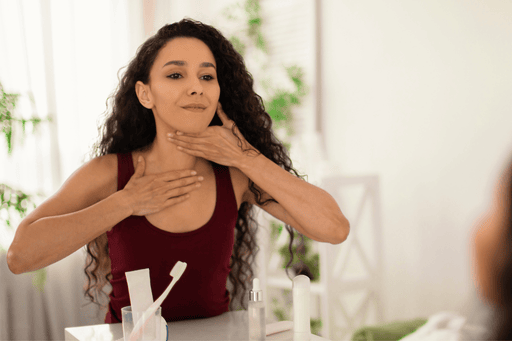
2. Facial lymphatic drainage
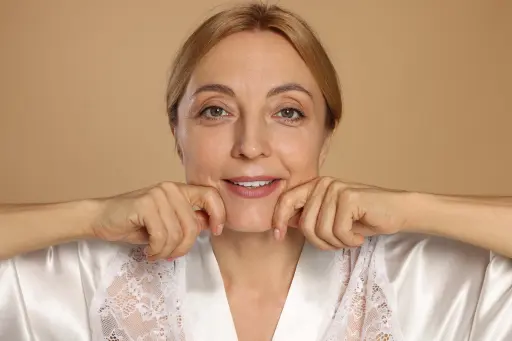
This routine helps with puffiness of the eyes, sinus pressure, and a tired-looking face.
- Start by placing your fingertips near the collarbones and gently sweeping outward toward the shoulders. This opens pathways.
- Using soft strokes, move from the center of your forehead toward the temples.
- Sweep under the eyes, moving fluid toward the ears.
- Glide from the sides of your nose toward your cheeks.
- Finish by sweeping from the jawline down toward the neck.
This soft method supports anyone looking for lymphatic massage face techniques without tools.
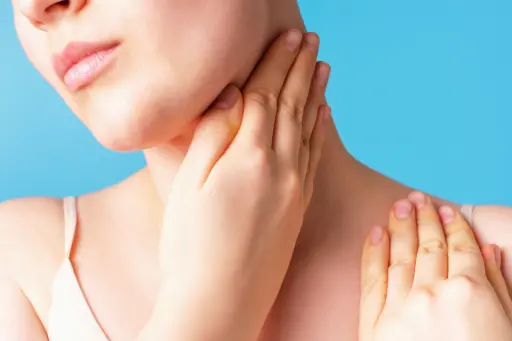
3. Neck Lymphatic Drainage
- Place your hands below your ears.
- Make light downward strokes toward the base of the neck.
- Move from the back of the neck lymph node toward the front using small, slow movements.
- Sweep gently toward the collarbones, where lymph fluid drains naturally.
Avoid deep pressure here; the lymph vessels are very close to the skin.
4. Body lymphatic drainage
This is a simplified routine you can use for abdominal bloating, leg swelling, or general heaviness.
- Start with the chest area. Use open palms to guide fluid from the center outward toward the armpits.
- For the abdomen, use clockwise circles following the natural direction of digestion.
- On the legs, begin behind the knees and sweep upward toward the groin.
- On the arms, work from the hands toward the armpits with light strokes.
These manual lymphatic drainage steps help support circulation without overworking the tissues.
Tips for Self-Lymphatic Drainage Massage at Home
Use these reminders to keep your routine safe and effective.
- No deep pressure – the technique should feel soft, not forceful.
- No fast movements – slow motion allows the vessels to open.
- Never massage infected, inflamed, or newly injured areas – this can worsen symptoms.
- Stay hydrated – water supports fluid movement generally.
- Light movement and stretching – support overall circulation.
- Deep breathing – the diaphragm plays a role in lymph flow.
- Dry brushing (optional) – if used, keep strokes light and short.
- Reduce inflammation triggers – very high sodium intake and poor sleep can worsen fluid retention for some people.
- Prioritize sleep – your body regulates fluid more efficiently when well-rested.
Who Should Avoid Lymphatic Drainage Self-Massage?
While the technique is soothing, some health situations require caution.
Active infection
Massaging swollen or infected areas can worsen the condition or spread bacteria.
Congestive heart failure
The body may not handle increased fluid movement safely.
Blood clots
Any condition involving clots or deep vein thrombosis needs medical supervision.
Cancer treatment (without physician approval)
People undergoing treatment should consult their oncology team first.
Kidney issues
The body may struggle to manage extra fluid movement.
Always check with a healthcare provider when in doubt.
When Self-Massage Isn’t Enough: When to See a Professional
Sometimes swelling or fluid retention doesn’t improve with home care. In those cases, a trained professional can help. You may benefit from expert support if you experience:
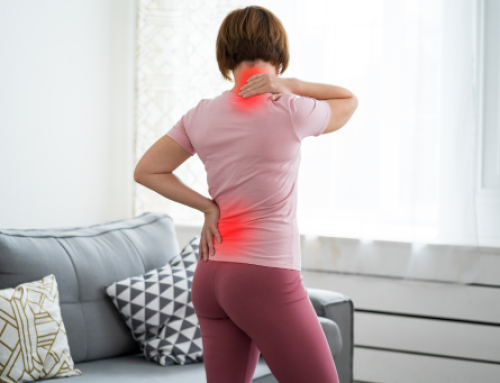
- Persistent or unexplained swelling
- Post-surgery fluid retention
- Chronic sinus congestion
- Swelling that worsens throughout the day
- Reduced mobility due to fluid buildup
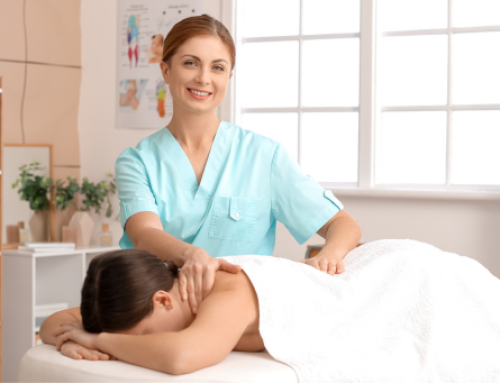
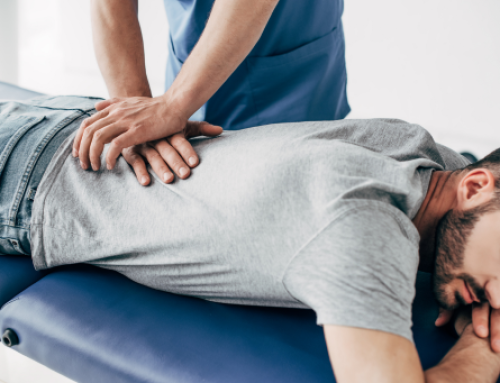
Registered Massage Therapists (RMTs) in Canada trained in MLD (Manual Lymphatic Drainage) use clinical techniques that follow precise pressure, direction, and rhythm. Professional care can improve results, especially after surgery or long-term swelling. A therapist also screens for red flags and tailors care to your needs.
How to Make Acupuncture Part of a Weight-Loss Plan
Many people combine acupuncture with lifestyle habits when working toward weight loss goals. Here’s how to make it part of a balanced plan:
- Combine sessions with a structured diet plan — focus on steady, nutrient-dense meals.
- Add regular exercise — even walking and light strength work help balance metabolism.
- Prioritize good sleep — poor rest affects appetite and cravings.
- Use stress-management methods — acupuncture may ease tension, so pair it with deep breathing or mindfulness.
- Track progress — note weight, BMI, waist measurements, or other markers.
- Stay consistent — most research involves several sessions over multiple weeks.
- Consider budget and time — long-term results come from steady commitment.
Conclusion
Lymphatic drainage self-massage is a gentle way to reduce puffiness, swelling, and tension at home. With light strokes and slow movements, you can support natural lymph flow and ease everyday discomfort. Practice these simple techniques regularly, stay hydrated, and pay attention to how your body responds.
Book a lymphatic drainage massage for professional services at Mankind Rehab Centre.
If swelling becomes unusual, severe, or persistent, seek guidance from a trained professional. Registered therapists can provide structured care and deeper support when needed.
For personalized lymphatic care, recovery support, or acupuncture and massage services in Canada, consider booking a session with Mankind Rehab Centre. Their team offers safe, evidence-informed wellness treatments to help you feel your best.
About the Author
Neha is a Registered Massage Therapist (RMT) at Mankind Rehab Centre, specializing in therapeutic and lymphatic massage techniques for facial and full-body wellness.
Medical Disclaimer:
This article is intended for general informational and educational purposes only and does not constitute medical advice. Self-massage techniques described here are not appropriate for everyone – please review the contraindications above and consult a licensed healthcare provider before beginning, especially if you have an underlying health condition, are recovering from surgery, or are undergoing medical treatment. Persistent, unexplained, or worsening swelling should always be evaluated by a healthcare professional.