What Is Ventosa Therapy? How It Works, Its Benefits & Risks
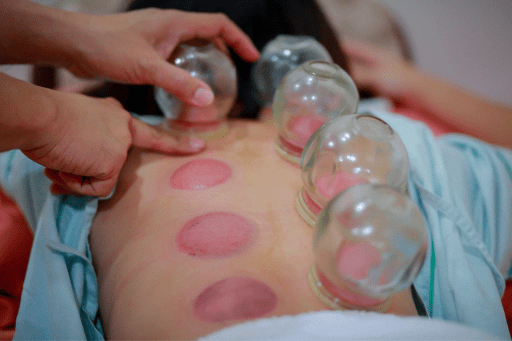
Ventosa therapy (cupping) is a traditional wellness technique that uses suction cups to create negative pressure on the skin. This gentle suction promotes blood flow, relaxes tense muscles, and supports recovery in targeted areas. Despite its simplicity – cups, suction, and time – many people find it helpful for pain management and relaxation. Ventosa therapy is commonly offered in alternative medicine clinics, massage therapy settings, and sports recovery centres.
Individuals often seek this therapy for neck and back pain, stress relief, muscle tightness, and athletic recovery. Treatment results vary based on individual response, underlying conditions, and the practitioner’s technique. While benefits can be meaningful for some, risks are generally mild when performed by trained professionals using clean and controlled methods.
What Is Ventosa Therapy?
Ventosa therapy is a form of cupping therapy that involves placing cups – typically made of glass, silicone, or plastic – on the skin to create suction. This vacuum gently lifts the skin and superficial tissues, encouraging increased blood flow and reduced muscle tension.
In many countries, ventosa and cupping refer to the same practice.
- In Arabic and Islamic medicine, wet cupping is called Hijama.
- In sports rehab clinics, it may be referred to as myofascial decompression or ventosa massage.
The concept remains consistent: lifting tissues to reduce stagnation, ease discomfort, and support circulation.
History & Origins of Ventosa Therapy
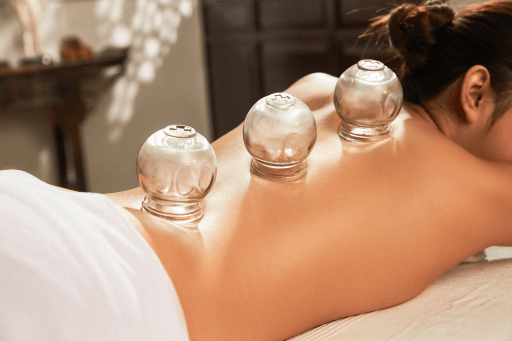
Cupping is recorded in ancient Egyptian texts and was practiced in China and the Middle East. Greek and Roman physicians used cups for complaints such as fever and aches. In traditional Chinese medicine, it was paired with acupuncture based on the idea of moving Qi or vital energy along meridians. In Islamic medicine, hijama was recommended in specific body regions and on certain calendar days.
Across these cultures, the shared belief was that stagnation leads to discomfort and that removing stagnation can restore function. Modern science uses a different language and focuses on local circulation, tissue mechanics, and the nervous system.
How Ventosa Therapy Works
Cups create a sealed space on the skin where air pressure is lower than the surrounding air. This vacuum lifts the epidermis and superficial fascia. Local capillaries dilate. Fluids shift toward the area. The technique may modulate nociceptors and reduce muscle guarding. Providers use different tools to achieve the vacuum.
- Cups can be glass, silicone, or plastic
- A manual or mechanical pump can pull air from the cup
- The fire method briefly heats the air inside a glass cup before placement
A typical session follows a simple sequence.
- Brief consultation to review health history and goals
- Skin inspection and cleaning
- Application of a light layer of oil if sliding cups are planned
- Placement of cups with gentle to moderate suction
- Static hold for five to ten minutes or sliding strokes for two to five minutes
- Removal of cups and reassessment of skin and comfort
- Aftercare instructions, including hydration and skin care
Types of Ventosa
Ventosa therapy/cupping therapy includes several methods. The choice depends on the goal, the body area, and the person’s health status.
Dry Cupping
This is the most common approach. Cups are placed and left in position without skin puncture. It is used for muscle tightness and general relaxation.
Wet Cupping Hijama
Small superficial incisions are made after an initial suction phase. Cups are reapplied to draw a small amount of blood. This should be performed by clinicians trained in sterile technique.
Fire Cupping
A flame briefly heats the air inside a glass cup before placement. As the air cools, a vacuum forms. The method requires careful temperature control to avoid burns.
Massage Cupping Sliding
Oil is applied, and cups are glided along muscle lines. This blends suction with massage and is common for large muscle groups such as the back or thighs.
Modern Suction Methods
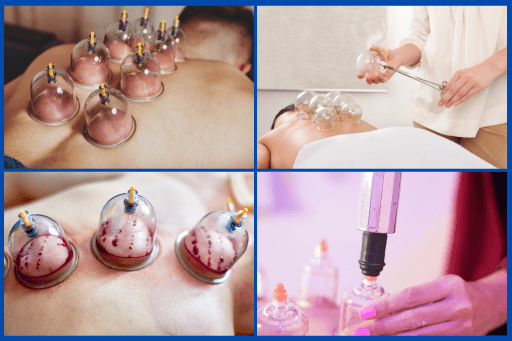
Hand pumps or electric pumps allow precise, repeatable levels of negative pressure. Silicone cups may be squeezed and released for a lighter option at home or in spa settings.
Benefits of Ventosa Therapy
Ventosa therapy aims to address pain and movement limitations through mechanical and circulatory effects. Evidence quality ranges from low to moderate, and responses are individual. Reported benefits include the following.
- Pain relief
People seek ventosa therapy for back pain, neck pain, and muscle strains. Suction may reduce trigger point sensitivity and ease myofascial stiffness. Some reviews report short-term reductions in pain scores, especially with repeated sessions. - Stress reduction and relaxation
The gentle pulling sensation can feel calming for many people. Time on the table, quiet breathing, and parasympathetic activation may support a relaxation response. - Sports recovery and circulation improvement
Athletes use ventosa massage during deload phases and after heavy training. The technique can support local blood flow, reduce perceived soreness, and restore movement quality before returning to high loads. - Possible benefits for respiratory or skin issues
Some traditions place cups on the upper back during respiratory illness care as an adjunct to standard treatment. Others use light facial cupping for acne care. These uses require gentle pressure and professional guidance. Evidence remains limited.
Possible Risks & Side Effects
Ventosa therapy is generally safe when delivered by trained providers using a clean technique. Side effects are usually mild and self-limited.
- Common risks & side effects
Circular marks, redness, mild soreness, and temporary skin sensitivity. Marks typically fade within a week. - Less common but more serious risks & side effects
Skin infection in wet cupping, burns with poorly controlled fire cupping, dizziness or nausea in sensitive individuals, and rare vasovagal episodes. - Who should avoid
People with bleeding disorders or on anticoagulants. People with active skin infection, open wounds, or severe eczema in the treatment area. People with uncontrolled heart disease or implanted electronic devices are in the area of treatment. Pregnant women should avoid the abdominal and lower back regions. Children and frail older adults require cautious, minimal suction.
What to Expect During & After a Session?
A first appointment usually lasts thirty to sixty minutes, including intake. The cupping time itself is often five to fifteen minutes, depending on the plan. During therapy, you feel a pulling sensation and warmth. Severe pain is not the goal. Tell your provider if pressure feels excessive so they can release some suction or remove a cup.
Aftercare is simple.
- Drink water to support normal circulation
- Keep the skin clean and dry for the first few hours
- Avoid hot tubs, intense heat, and heavy sweating the same day
- Do gentle movements such as walking and light stretching
- Wait at least one week before re-cupping the same area to allow the skin to recover
If you experience dizziness, increasing pain, or any sign of infection such as spreading redness, warmth, or discharge, contact a clinician. Ventosa therapy for pain works best when paired with graded activity, strength training, and ergonomic changes.
Conclusion
Ventosa therapy is a cupping-based technique that uses controlled suction to lift soft tissues, enhance local circulation, and ease muscle tension. With roots in Egypt, China, and the Middle East, it remains popular in modern sports performance, rehabilitation, and wellness care.
Evidence suggests short-term relief for some individuals, while risks remain mild when performed by trained providers. If you’re considering ventosa therapy, Mankind Rehab Centre offers qualified practitioners who can assess your needs and determine whether it fits your health status, goals, and preferences. Monitoring your response over several sessions can help determine if ventosa therapy is a beneficial addition to your care plan.
About Neha
Neha is a Registered Massage Therapist (RMT) registered with the College of Massage Therapists of Ontario. She is committed to providing personalized care to help clients manage pain, reduce muscle tension, relieve stress, and support overall well-being. With additional training in cupping therapy and hot stone massage, Neha incorporates specialized techniques based on each client’s needs and treatment goals. Her experience with cupping and Ventosa therapy allows her to provide professional, individualized treatments focused on relaxation, circulation, mobility, and healthy soft-tissue function.
Frequently Asked Questions
Is ventosa therapy the same as cupping therapy?
Yes. Ventosa is another term for cupping therapy. Both use suction cups to lift soft tissue, improve circulation, and reduce tension, though techniques may vary across cultures.
How many sessions do I need for results?
Some notice changes after one session, while others benefit over 3-6 sessions, depending on symptoms, goals, and practitioner guidance. Frequency varies based on individual response and condition.
Can ventosa therapy help with back pain or muscle tightness?
Yes. Many clients seek ventosa for back pain, neck stiffness, and muscle tightness. Suction may improve circulation, reduce tension, and support mobility for some individuals.
Is ventosa therapy safe during pregnancy?
Ventosa should be avoided on the abdomen or lower back during pregnancy. Always consult a qualified practitioner or prenatal specialist before receiving any cupping treatment.
Who should avoid ventosa therapy?
Individuals with bleeding disorders, skin infections, open wounds, uncontrolled heart issues, or those using anticoagulants should avoid ventosa therapy or consult a healthcare provider first.
Can athletes use Ventosa for recovery?
Yes. Many athletes use cupping to reduce soreness, improve mobility, and enhance post-training recovery. It may support circulation and tissue relaxation between sessions.
What areas of the body can be treated with ventosa therapy?
Common treatment areas include the back, shoulders, neck, thighs, and calves. Placement depends on symptoms, goals, and practitioner assessment.