Cupping Therapy for Cellulite: Does It Really Work?
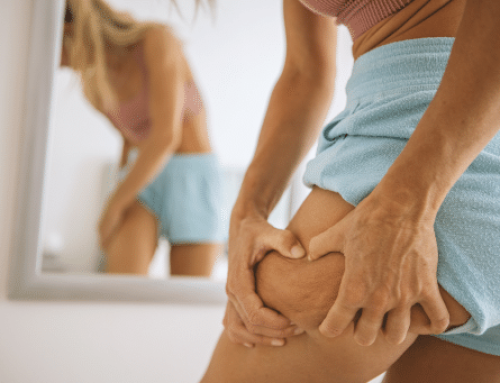
Cellulite is that dimpled, uneven texture most commonly found on thighs, hips, and buttocks. While it’s completely natural and incredibly common (affecting up to 90% of women), many people look for ways to reduce its appearance. One of the most intriguing methods that’s been gaining buzz for reducing cellulite is cupping therapy.
Once reserved for traditional medicine, cupping has found its way into modern skincare routines. But how exactly does cupping work for cellulite? And more importantly, does it actually make a difference? Let’s dive into the science, the benefits, and what to expect when using cupping therapy for cellulite.
What Is Cupping Therapy and How Does It Work?
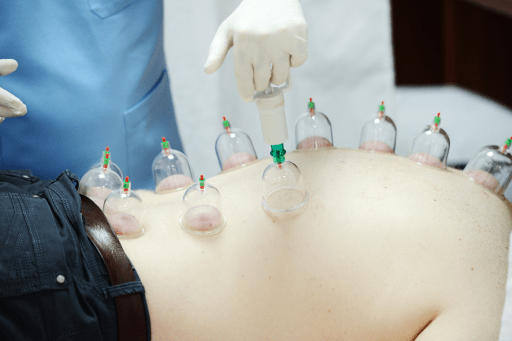
Cupping therapy dates back thousands of years, originating in ancient Chinese, Middle Eastern, and Egyptian medicine. It involves placing cups on the skin to create suction, which stimulates blood flow, breaks up stagnation, and promotes healing.
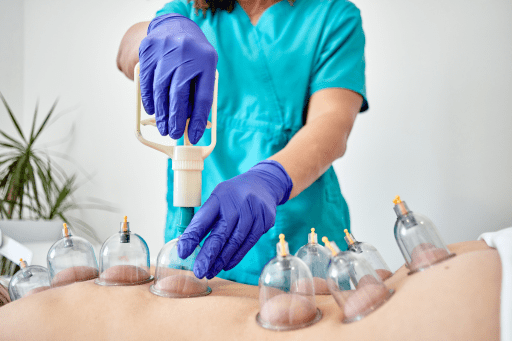
When it comes to cellulite, this suction effect is particularly important. The negative pressure helps:
- Increase circulation to targeted areas.
- Promote lymphatic drainage to remove built-up toxins and fluids.
- Enhance skin elasticity by loosening connective tissue and fascia.
There are several forms of cupping used for aesthetic purposes:
- Dry cupping (traditional glass or plastic cups using fire or a pump).
- Silicone cupping is more flexible and is often used for massage-style movements.
- Vacuum cupping machines are used in modern clinics for stronger, adjustable pressure.
What Is Cellulite? Its Common Causes and Treatments
Cellulite is a common, harmless skin condition where the skin appears dimpled or lumpy, often compared to the texture of orange peel or cottage cheese. It happens when fat deposits push up against connective tissue beneath the skin, causing the surface to pucker.
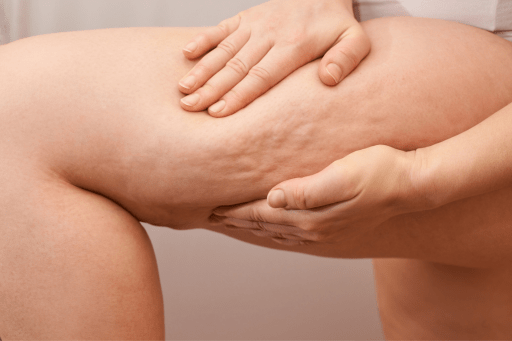
Common Causes of Cellulite:
- Hormonal factors (estrogen, insulin, noradrenaline, thyroid hormones)
- Genetics (family history can make you more prone)
- Lifestyle (poor diet, lack of exercise, dehydration)
- Skin thickness & age (thinner, less elastic skin makes cellulite more noticeable)
There’s no permanent cure for cellulite, but its appearance can be reduced through regular exercise, a healthy diet, and proper hydration. Topical creams with caffeine or retinol may offer temporary results, while medical treatments like laser therapy, radiofrequency, and subcision provide more advanced options. Cupping therapy is also becoming increasingly popular, as it helps stimulate circulation, reduce fluid buildup, and improve skin elasticity, making cellulite less noticeable. Additionally, massage and lymphatic drainage techniques can temporarily enhance skin texture by reducing fluid retention.
Why Is Cupping Used for Cellulite?
To understand why cupping therapy for cellulite reduction is used, let’s first understand what cellulite is. Contrary to popular belief, cellulite isn’t just fat. It’s a combination of –
- Fat cells are trapped beneath the skin.
- Fibrous connective tissue pulls the skin downward.
- Poor circulation or fluid retention, creating a puckered, dimpled appearance.
Cupping addresses cellulite by –
- Breaking up fascia adhesions that restrict blood flow and create tension.
- Improving circulation, which helps nourish skin and tissue.
- Draining excess fluid from the lymphatic system, reducing puffiness and swelling.
While results aren’t permanent, consistent sessions can make a visible difference. For many people, cupping offers both short-term improvements and longer-term benefits with ongoing care.
Benefits of Cupping Therapy for Cellulite
Cupping therapy for cellulite reduction isn’t just about smoother skin, it promotes whole-body wellness. Some of the key benefits of cupping therapy include –
Improves Blood Circulation
Cupping stimulates increased blood flow to the targeted areas, delivering oxygen and essential nutrients to the skin and muscle tissues. This nourishment supports cellular regeneration and healing. Improved circulation helps revitalize dull, sagging skin and enhances overall skin tone. Over time, it contributes to a healthier and more vibrant appearance.
Stimulates Lymphatic Drainage
The gentle suction created by cupping therapy activates the lymphatic system, helping your body flush out toxins and excess waste. This cleansing process reduces stagnation in tissues, a key contributor to cellulite buildup. It also improves the body’s ability to absorb nutrients and eliminate metabolic waste more effectively.
Reduces Fluid Retention
By promoting lymphatic drainage, cupping reduces water retention in the tissues, especially in stubborn areas like thighs and hips. This helps alleviate puffiness and bloating that can exaggerate the look of cellulite. As swelling goes down, the skin appears more contoured and less dimpled.
Breaks Down Fat Deposits
The pressure and gliding motion of the cups help loosen and disperse fat cells beneath the surface of the skin. This physical manipulation reduces the “lumpy” texture associated with cellulite. As these fat pockets are broken apart, smoother, firmer skin is gradually revealed.
Promotes Collagen Production
Cupping therapy for cellulite lightly stretches the skin and underlying tissue, which stimulates collagen and elastin synthesis. These proteins are essential for skin strength, firmness, and elasticity. With regular sessions, the skin becomes tighter and more resilient, making cellulite less visible over time.
Softens Tight Connective Tissue
Cellulite often forms when fibrous connective tissue pulls down on the skin, creating a dimpled appearance. Cupping helps release these tightened bands, allowing the skin to relax and even out. This softening effect restores a more balanced and smooth texture to the surface.
Enhances Skin Texture
With consistent use, cupping therapy improves skin tone and texture by increasing circulation, reducing fat buildup, and boosting elasticity. The result is skin that feels softer, looks firmer, and appears more youthful. It’s a gentle yet effective way to rejuvenate your skin naturally.
Natural & Non-Invasive Approach
Cupping therapy offers a safe, holistic method for cellulite reduction without the risks of surgery or harsh chemicals. It’s minimally invasive, generally painless, and can be easily integrated into wellness routines. For those seeking natural beauty solutions, it’s a trusted alternative.
Who Can Benefit the Most?
Cupping therapy for cellulite reduction can work wonders for many people, but certain groups often see the best results –
- Office workers who sit for extended periods and struggle with poor circulation.
- Teenagers or young adults developing early posture issues due to screen time.
- Elderly clients who experience tissue degeneration or lymphatic sluggishness.
- Athletes looking to improve recovery, reduce swelling, and enhance performance.
What to Expect During a Cupping Session?
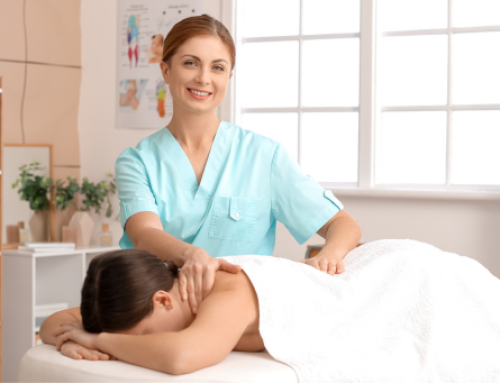
A cupping session typically includes –
Duration
Most sessions last 30 to 60 minutes, depending on the area being treated.
Sensation
Expect a warm, pulling feeling – often relaxing, but it can feel intense if tissue is tight.
Techniques
Your therapist may glide silicone cups over the skin (dynamic cupping) or leave them stationary (static cupping) for deeper work.
Frequency
Most people need 1–2 sessions per week for 4–6 weeks for noticeable results. Maintenance sessions may follow.
Aftercare
Hydrate well, avoid sun exposure on treated areas, and apply soothing lotion or arnica to reduce any bruising or redness.
Side Effects and Safety Considerations
It is generally a safe procedure; however, some cupping therapy side effects include –
- Mild bruising and redness (normal and should fade in a few days).
- Tenderness or soreness, especially after the first session.
- Fatigue or lightheadedness immediately post-treatment.
Who Should Avoid Cupping?
- Pregnant individuals.
- People with blood disorders or who take blood thinners.
- Those with sensitive or broken skin.
- Individuals with uncontrolled diabetes or chronic illness (always consult your doctor)
Pro Tip
Always choose a certified practitioner with experience in cosmetic or lymphatic cupping to ensure safe and effective results when it comes to cupping therapy for cellulite.
Conclusion
Cupping therapy isn’t a miracle fix, but it can be a powerful tool in the fight against cellulite.
Results of cupping therapy vary, and consistency is key. But with the right approach and a professional therapist, cupping therapy can be a refreshing, non-invasive addition to your wellness routine.
So, without any further ado, book a professional cupping therapy session at Mankind Rehab Centre and experience the benefits firsthand. It’s time to smooth, soothe, and strengthen – naturally.
About Neha
Neha is a Registered Massage Therapist (RMT) registered with the College of Massage Therapists of Ontario. She is dedicated to providing personalized care that helps clients manage pain, reduce stress, and support overall well-being. With specialized training in cupping therapy and hot stone massage, Neha uses evidence-informed techniques tailored to each client’s needs. Her experience with cupping therapy allows her to provide professional, individualized treatments focused on promoting circulation, relaxation, and healthy soft-tissue function.