Can Sciatica Cause Knee Pain? Symptoms & Relief
If you’ve been experiencing knee pain alongside lower back discomfort, you may be wondering: Can sciatica cause knee pain?
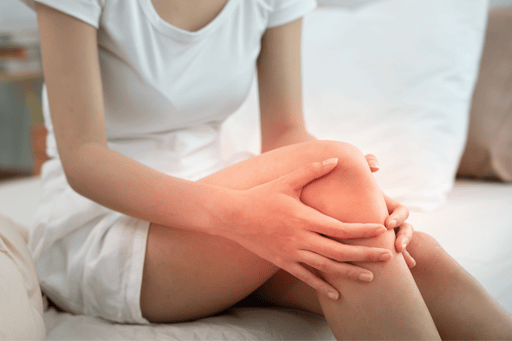
The answer is yes — sciatica can indeed cause knee pain. This happens when the sciatic nerve, which runs from the lower back through the legs, becomes compressed or irritated. When affected, the pain can radiate down the leg and even be felt in the knee, even though the knee itself may be structurally healthy.
In this guide, we will explore how sciatica leads to knee pain, the symptoms to watch for, and the best ways to find relief.
What is sciatica?
Sciatica refers to pain that occurs when the sciatic nerve — the largest nerve in the body — becomes compressed or irritated. This nerve starts in the lower spine and extends through the hips, buttocks, and down both legs.
When the sciatic nerve is inflamed, pain can radiate downward, affecting various areas of the leg, including the thigh, calf, and knee. This explains why many people question if the sciatic nerve can cause knee pain when their knee feels painful, but scans show no damage.

Can Sciatica Cause Knee Pain?
Sciatica can cause knee pain when the nerve roots connected to the knee area — especially L3, L4, and L5 nerves — become irritated. This phenomenon is known as referred pain, where the discomfort originates in one area but is felt in another. So if you’ve been wondering, “Can knee pain be caused by sciatica?” the answer is yes.
How Sciatica Triggers Knee Pain
The sciatic nerve branches out to supply the muscles around the knee. If the nerve is compressed or irritated, it can lead to:
- Sharp, shooting knee pain
- Knee weakness or buckling
- Tingling or numbness
- Radiating pain from the hip or thigh down to the knee
Even if your knee is structurally sound, the sciatic nerve can cause intense pain in that area.
Signs Your Knee Pain Is Coming from Sciatica
If you’re wondering, “Can sciatica cause knee pain in my case?“ the answer lies in the specific symptoms you’re experiencing. Sciatica-related knee pain typically follows a predictable pattern, as the pain originates in the lower back and travels along the sciatic nerve.
Here are the common signs that your knee pain could be related to sciatica:
- Pain that starts in the lower back, buttock, or thigh and radiates down to the knee
- Numbness, tingling, or a “pins-and-needles” sensation around the knee
- Weakness or sudden buckling of the knee when walking or climbing stairs
- Pain that worsens with sitting, bending forward, or lifting
- Relief when lying down or changing positions, especially on the affected side
- Pain on only one side of the body, as sciatica typically affects one leg
If you notice these symptoms regularly, sciatica is likely the root cause of your knee pain.
Causes of Sciatica That Lead to Knee Pain
Sciatica-induced knee pain is the result of underlying conditions that irritate or compress the sciatic nerve. These conditions cause nerve inflammation, causing pain to radiate through the leg and into the knee, even when the knee joint itself is healthy.
Common causes of sciatica-related knee pain include:
- Herniated Disc: A slipped or bulging disc can press on the sciatic nerve roots, causing sharp pain that may radiate to the knee.
- Degenerative Disc Disease: As spinal discs age and lose cushioning, the vertebrae can compress nerve pathways, leading to chronic sciatica-related knee pain.
- Spinal Stenosis: Narrowing of the spinal canal can put pressure on nerve roots, sending pain signals to the knee.
- Piriformis Syndrome: A tight or spasming piriformis muscle can irritate the sciatic nerve, leading to leg and knee pain.
- Poor Posture: Extended sitting, slouching, or improper lifting can strain the lower back and worsen sciatic nerve compression.
- Muscle Imbalances: Weak glutes, tight hamstrings, or uneven muscle support around the pelvis can destabilize the spine, contributing to nerve compression.
Tips for Relieving Sciatica That Affects the Knee
If sciatica is causing knee pain, you need to take a few steps to alleviate discomfort. Some of those steps are –
Move Regularly
Staying in one position for extended periods worsens the sciatic pain, especially if you are sitting or have a desk job. Take short breaks as often as you can and stay active to improve blood circulation and reduce stiffness. You can think of even low-key activities like getting up and taking just a glass of water to relieve knee pain.
Heat, Ice, and Pain Relief
Heat and ice help relieve the pain more quickly. When we are in pain, we avoid movement as much as we can. You can choose to have cold therapy or heat therapy, depending on your condition. Cold therapy is adopted to reduce inflammation and numb sharp pain, while heat therapy improves blood flow and relaxes muscles.
How to Treat Sciatica-Related Knee Pain
If you want lasting relief, the key is to treat the root cause—the sciatic nerve—not just the knee.
Here are the most effective treatments:
1. Physiotherapy
Physiotherapy is one of the best long-term solutions. It helps:
- Reduce pressure on the sciatic nerve
- Improve posture
- Strengthen supporting muscles
- Restore proper movement
A personalized physiotherapy plan can dramatically reduce or completely eliminate both sciatica and knee pain.
2. Massage Therapy
Massage therapy helps relax tight muscles around the lower back, glutes, and legs. It:
- Improves circulation
- Eases muscle tension
- Reduces nerve irritation
If sciatica has caused muscle tightness that contributes to knee pain, massage is extremely helpful.
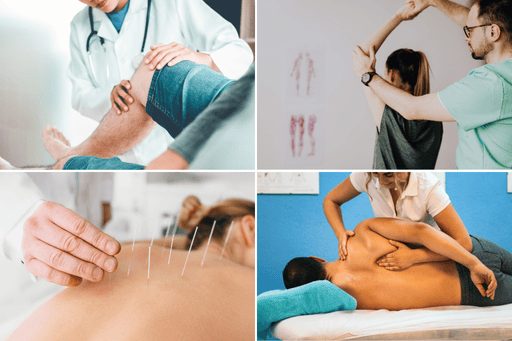
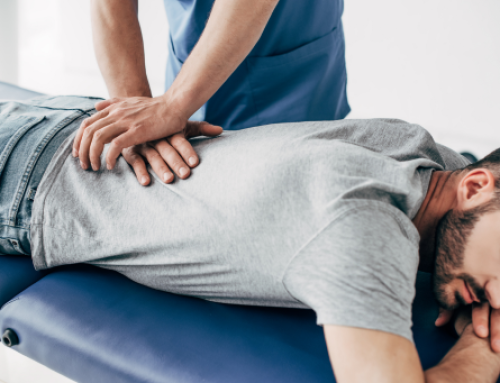
3. Chiropractic Care
Chiropractic adjustments help realign the spine and reduce compression of the nerve roots associated with knee pain.
4. Stretches for Sciatic Relief
Therapists often recommend exercises such as:
- Piriformis stretch
- Hamstring stretch
- Knee-to-chest stretch
- Cat-cow spinal mobility
- Core strengthening exercises
These movements relieve nerve pressure and prevent future flare-ups.
5. Heat and Ice Therapy
Alternating heat and ice helps control inflammation and provides temporary relief from nerve pain.
Other Ways to Help Relieve Sciatica Knee Pain
In addition to physiotherapy, massage therapy, and lifestyle changes, custom orthotics can also play an important role in reducing sciatica-related knee pain. Orthotics help improve foot, ankle, and knee alignment, which reduces strain on the lower back. By supporting proper posture and correcting imbalances, they can significantly decrease pressure on the sciatic nerve and lower-body joints. If you’re experiencing persistent symptoms, custom orthotics in Brampton may provide effective relief.
When Surgery Becomes an Option
While most cases of sciatica improve with non-invasive treatment, surgery may be considered in severe situations—especially when nerve compression causes intense, long-lasting pain or significant weakness. Procedures such as a microdiscectomy or laminectomy can help relieve pressure on the sciatic nerve when other treatments haven’t worked. Surgery is generally seen as a last resort, but it can provide meaningful relief for individuals with structural spinal issues.
Finding the Right Massage Therapist for Sciatica Knee Pain Relief
The right massage therapist can make a significant difference in managing sciatica-related knee pain. Look for:
- Certified experts in neuromuscular or deep tissue massage
- Experience with sciatica relief techniques like trigger point therapy
- Positive reviews from clients with similar conditions
If you’re in Brampton, the experienced team at Mankind Rehab Centre specializes in effective sciatica pain relief.
Final Thoughts
Can sciatica cause knee pain? We have seen the answer to that. Sciatica can cause knee pain, but with the right treatment approach, relief is possible. From physiotherapy and chiropractic care to massage therapy and orthotics, there are multiple ways to manage discomfort and improve mobility.
At Mankind Rehab Centre, we specialize in sciatica, knee pain, and musculoskeletal treatments. Our experienced team provides personalized therapy plans to help you move freely and painlessly.
Contact us and take the first step towards being sciatica-free.
Author Bio
Taruna Garg is a healthcare and wellness writer who creates informative content focused on physiotherapy, sciatica, knee pain, musculoskeletal conditions, pain management, and rehabilitation. Through her work with Mankind Rehab Centre, she provides practical insights into the connection between sciatica and knee pain, including common symptoms, underlying causes, relief strategies, physiotherapy, massage therapy, chiropractic care, therapeutic exercises, and other treatment options. Her goal is to help readers understand the potential source of their symptoms and explore personalized approaches that support pain relief, improved mobility, and long-term recovery.